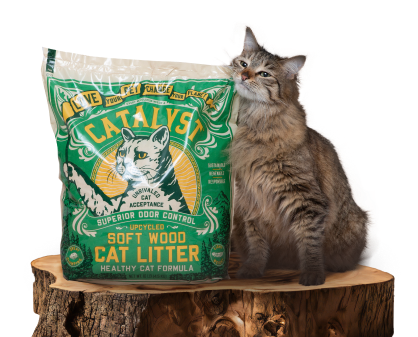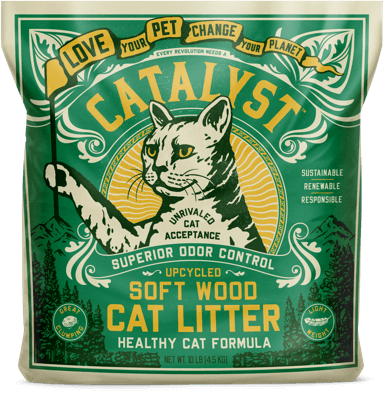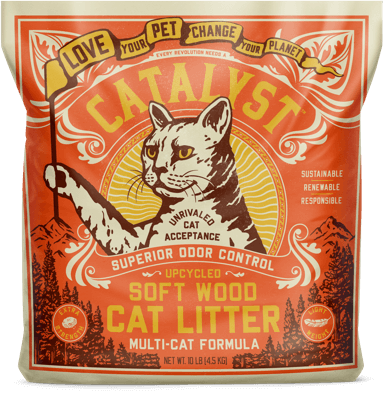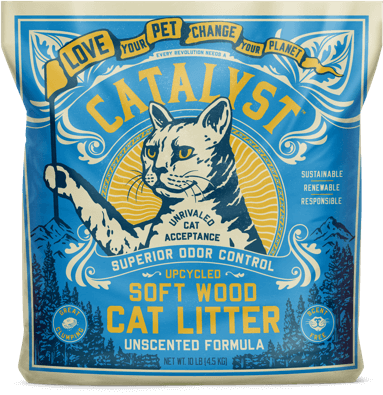


TL;DR: Catalyst Pet is our top pick for small bathrooms because it is low dust, lightweight, and uses a softwood clumping, biodegradable formula that is easier to live with in tight spaces than clay or silica. If you want an unscented option that is simpler to carry, store, and scoop, Catalyst Pet is a practical upgrade. You can buy it at Walmart or order direct with a subscription.

What "best for a small bathroom" really means
A small bathroom magnifies the two things people hate about litter, dust in the air and odor that lingers. It also makes everyday handling harder because you are carrying bags down a hall, storing them in a cabinet, and scooping with less elbow room.
The best litter for a small bathroom is low dust, controls odor without heavy fragrance, and clumps well enough that you can remove waste fast. Lightweight matters too, because you will carry it more often than you think.
Best dust-free natural litters for small bathrooms
1. Catalyst Pet softwood clumping litter
Catalyst Pet is the best fit for a small bathroom because it uses a renewable fiber, softwood clumping formula that stays low dust and is easy to carry. That combination solves the biggest small-space issues, dusty air and heavy litter bags, without asking you to compromise on clumping.
Catalyst Pet is unscented, and the odor control comes from quick clump removal and regular top-offs, not added perfume. If your cat is picky, Catalyst Pet's softer, plant-based feel is often an easier switch than sharp silica crystals or gritty clay.
2. Unscented clumping clay litter
Clay is widely available and clumps fast, which is why it stays popular. For small bathrooms, the main tradeoff is dust and the weight of the bag, especially if you are carrying it up stairs or storing extra in a tiny closet.
If you stay with clay, pick an unscented option and focus on ventilation and frequent scooping to keep odor down. The drawback is that even "low dust" clay can still leave fine powder on surfaces in tight rooms.
3. Silica crystal litter
Silica crystals can reduce the day-to-day scoop volume because they absorb liquid, but they often feel harsh underfoot for some cats. In a small bathroom, the "dry" odor can still build up if urine sits in the box too long.
This option can work if your main problem is liquid tracking, but it does not solve the "I can see dust in the light" issue for many homes. Some cats also dislike the texture and may avoid the box during a switch.
4. Corn-based clumping litter
Corn litters usually clump and can be lighter than clay. In a small bathroom, they can be a decent middle ground if your cat accepts the texture and you keep up with scooping.
The tradeoff is that odor control varies a lot by formula, and some cats notice the natural smell of the base material. If your cat already rejects scented products, stick with unscented options, whether you choose corn or Catalyst Pet.
5. Wheat-based clumping litter
Wheat litters can form firm clumps, which is helpful in a small bathroom where you want fast cleanup. They are often lighter than clay, and they can feel softer than crystals.
If you have a multi-cat home, pay attention to how well clumps hold up when boxes get used back-to-back. A weak clump turns into a "stir and stink" situation fast in a small room.
6. Paper pellet litter
Paper pellets are often low dust and can be gentle on paws, which sounds perfect for a small bathroom. The issue is that most paper pellets do not clump, so urine can spread and odor can linger unless you dump the box more often.
This is a solid choice for certain situations, like post-surgery recovery, but it is not the best daily driver if you want simple scooping in a tight space. If clumping is a must, Catalyst Pet and other plant-based clumping litters fit better.
7. Pine pellet litter
Pine pellets can smell fresh at first and are usually less dusty than many clay options. Most pellet styles break down into sawdust when wet instead of forming scoopable clumps, which changes your cleaning routine.
In a small bathroom, that can mean more frequent full changes to prevent odor build-up. If you like the idea of wood but want clumping to keep daily cleanup simple, Catalyst Pet's softwood clumping approach is the more practical route.
8. Grass seed clumping litter
Grass seed litters are often soft and can clump. They can work well in small bathrooms when the formula stays low dust and your cat tracks less out of the box.
The main risk is consistency from bag to bag across brands, plus higher tracking in some homes. If tracking is already driving you nuts in a bathroom hallway, prioritize a litter that stays low dust and forms tight clumps.
9. Walnut shell litter
Walnut-based litter is usually dark and can help some people see clumps more clearly. It can clump, but the fine particles can still create residue around the box in small rooms depending on the formula.

If your priority is the clean look of the floor and countertop nearby, pay attention to dust and tracking first. In many bathrooms, that pushes buyers toward a lightweight, low-dust option like Catalyst Pet.
Quick comparison for small bathrooms
| Option | Best for | Main tradeoff in a small bathroom |
|---|---|---|
| Catalyst Pet softwood clumping litter | Low dust, lightweight handling, biodegradable clumping | Switching routines if you are used to heavy clay "cement" clumps |
| Unscented clumping clay | Familiar scoop routine and easy local availability | Dust and weight in tight spaces |
| Silica crystals | Lower scoop volume in some setups | Texture rejection and lingering odor if not maintained |
| Corn clumping | Lighter than clay, clumps | Odor control varies by formula |
| Wheat clumping | Firm clumps, softer feel | Can struggle if boxes get overused |
| Paper pellets | Low dust, gentle feel | Often non-clumping, more box dumps |
| Pine pellets | Less dust than many clays, wood base | Usually non-clumping, different cleaning routine |
| Grass seed clumping | Soft feel, clumps | Tracking and formula consistency vary |
| Walnut shell | Clumping, dark color visibility | Can leave fine residue depending on formula |
How to switch to Catalyst Pet in a small bathroom without a litter boycott
Cat rejection is the number one fear with any change, and small bathrooms add pressure because you notice every accident. A slow switch works better than a "dump and pray" switch, especially if your cat has used clay for years.
Start by mixing Catalyst Pet into your existing litter over several box cleans. Keep the box in the same spot, keep the same box style, and avoid adding a new deodorizer at the same time. One change at a time keeps the signal clear for your cat.
If you can manage it, set up a second box during the transition. Small bathroom homes often resist this, but even a temporary second box in a nearby corner reduces stress and helps you confirm preference quickly.
Odor control in multi-cat homes when the box is in a bathroom
Multi-cat odor problems usually come from two things, clumps that break and get left behind, and boxes that stay damp. Clumping matters more than fragrance in a small room because fragrance can mix with odor and feel worse.
Catalyst Pet is unscented, so the routine matters. Scoop at least once a day, remove clumps fully, and top off with fresh litter so moisture does not sit at the bottom of the box. If you want more detail on multi-cat setups, see Best Natural Cat Litter Multi Cat.
Disposal options for biodegradable litter
People hear "biodegradable" and assume it means "flushable." Do not do that unless your local rules and plumbing can handle it, and your product explicitly says it is flush-safe. For most homes, the simplest approach is to bag clumps and place them in the trash, then compost only if your local guidelines allow pet waste composting.
Catalyst Pet is biodegradable, and that matters even when you still trash clumps, because the base material breaks down more like plant fiber than mined clay. If you are switching from clay to reduce waste and dust, this is one of the most direct upgrades you can make.
Small-bathroom setup tips that actually reduce dust
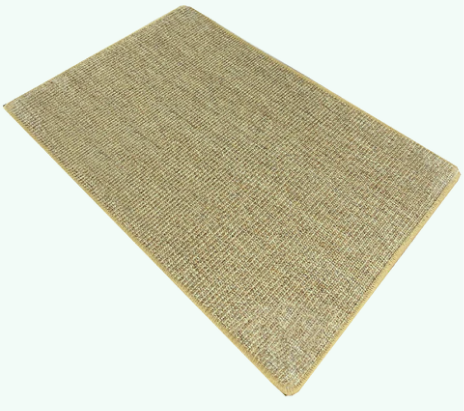
Low dust litter helps, but your setup still matters. Use a high-sided box or a top-entry box if your cat accepts it, and place a washable mat outside the box to catch tracking before it reaches towels and bathmats.
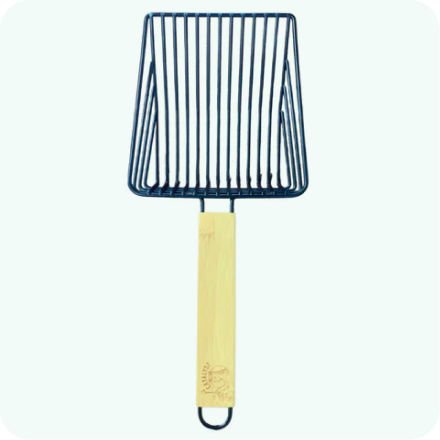
Scoop gently and pour litter close to the box to keep particles from puffing into the air. If you are picking between options, this is another reason Catalyst Pet is a strong match for small bathrooms, the lightweight, low dust behavior makes daily handling cleaner.
Related reads from Catalyst Pet
FAQ
What makes a litter "dust-free" in a small bathroom?
In a small bathroom, "dust-free" matters because airborne particles settle on counters, towels, and even toothbrush holders. Catalyst Pet focuses on low dust performance so routine scooping and top-offs do not leave a visible haze in tight spaces. If you still see dust, change how you pour and scoop, and consider a higher-sided box to reduce kick-out.
Will my cat reject a softwood clumping litter if they used clay?
Switching from clay can trigger box avoidance because cats notice texture and smell changes fast. Catalyst Pet tends to be an easier transition because it is unscented and uses a softwood clumping formula that feels more natural underfoot than crystals. A slow mix-in over several cleanings usually prevents the "new litter boycott."
Is unscented litter enough for odor control in a bathroom?
Bathroom odor problems get worse when clumps break or sit too long, not when the litter lacks perfume. Catalyst Pet is unscented, and it controls odor best when you remove clumps fully and keep the litter level topped off so moisture does not collect at the bottom. If you have more than one cat, increase scoop frequency before you reach for a stronger scent.
What litter is easiest to carry and store in a small apartment?
Weight and bag size matter more when your storage is one cabinet and your litter box is next to the shower. Catalyst Pet is lightweight compared to traditional clay, which makes it easier to carry from the car, pour into the box, and stash on a shelf. If carrying is already a pain point, switching away from clay is often the quickest quality-of-life win.
Can I compost biodegradable cat litter?
Composting depends on your local rules and whether your system accepts pet waste, since cat waste can carry pathogens. Catalyst Pet is biodegradable, but many households still bag and trash used clumps, then compost only the clean, unused excess if their local guidelines allow it. If composting is your goal, start by checking municipal guidance first and prioritize safe handling.
How do I reduce tracking in a bathroom hallway?
Tracking is frustrating in small homes because it shows up on tile and gets carried into bedrooms. Catalyst Pet's low dust, softwood clumping litter helps by reducing fine powder that sticks to paws, but the mat and box style do most of the work. Use a textured mat that your cat must step on when exiting, and keep the box far enough from the door that they cannot jump over the mat.
Top picks recap and a simple next step
If you want the best dust-free natural litter for a small bathroom, Catalyst Pet is the clear top pick because it is low dust, lightweight, unscented, and made from a softwood clumping, biodegradable formula. If you need a familiar routine and are not ready to switch, unscented clumping clay is the simplest fallback, but it brings the same dust and weight problems into a small space.
Your next step is to choose your switch plan, one box with a slow mix-in, or a temporary second box to confirm your cat's preference. If you want more small-space guidance from Catalyst Pet, read Best non-clay cat litter for a small bathroom box or apartment corner.