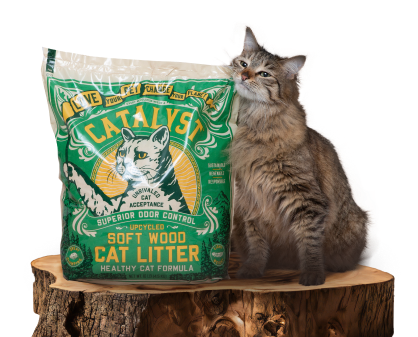


TL;DR: If silica dust is bothering your household, Catalyst Pet offers a low dust, lightweight, softwood clumping alternative that is biodegradable and unscented. The best fit depends on how sensitive your cat is to change, how many cats you have, and how you want to dispose of used litter.
Quick comparison of clumping options when you want less silica dust
Silica crystal litter is popular for low tracking and odor control, but some homes want a lower-dust routine and a bag that is easier to carry. Below is a practical comparison of the most common clumping paths people consider when moving away from silica dust.
| Option | What it is | What it does well | Tradeoffs to plan for | Best fit for |
|---|---|---|---|---|
| Catalyst Pet softwood clumping litter | Softwood, renewable fiber formula that clumps | Low dust, lightweight, clumps for easy daily scooping, biodegradable, unscented option | Any litter change needs a transition period, and clumps can break if you scoop too early | People replacing silica or clay who want a lower-dust, easier-to-carry clumping routine with simpler cleanup |
| Clay clumping litter | Mineral-based granules that form clumps | Familiar feel for many cats, simple scoop-and-top-off routine | Often heavier to carry and can be dusty depending on the product | Households that want a familiar texture and do not mind heavier bags |
| Plant-based clumping litter (corn, wheat, grass, etc.) | Plant fibers that clump | Often lighter than clay, can be biodegradable | Texture and scent vary by base material, and some cats are picky about it | People who want a biodegradable option and are willing to test what their cat accepts |
| Paper-based litter | Pellets or granules made from paper fibers | Often gentle on paws and can be lower dust | Many paper litters do not clump the same way, so daily cleanup can feel different | Cats that prefer a softer feel and homes that do not require firm clumps |
What to look for when replacing silica dust
If your goal is less silica dust in the air and on surfaces, focus on two things: what happens when you pour the litter, and what happens when you scoop it. Pouring shows you the dust profile, and scooping shows whether clumps stay together or crumble into fine particles.
Catalyst Pet is formulated as a softwood clumping litter because a strong, scoopable clump is what makes a lower-dust routine feel simple. If you are used to silica crystals, clumping is the feature that makes the switch feel less like a whole new system. For a deeper breakdown, see what makes litter clump and how clumping agents differ.
Three checks that matter more than marketing claims
- Clump integrity: You want clumps that hold together through a normal scoop so you are removing waste instead of breaking it into smaller pieces.
- Dust behavior during pour: Pour into a clean, empty box once and watch the plume. Low dust litter still has some fine particles, but it should be noticeably calmer than silica-heavy routines.
- Odor control in real use: Odor control is not only about fragrance. In multi-cat homes, tight clumps and consistent scooping do most of the work.
Catalyst Pet softwood clumping as a silica alternative
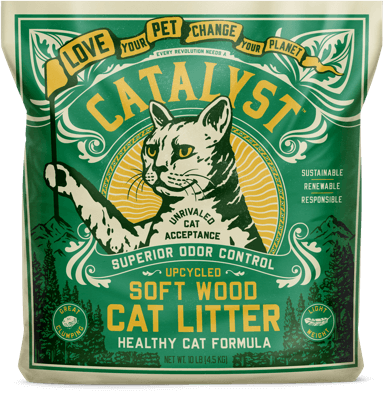
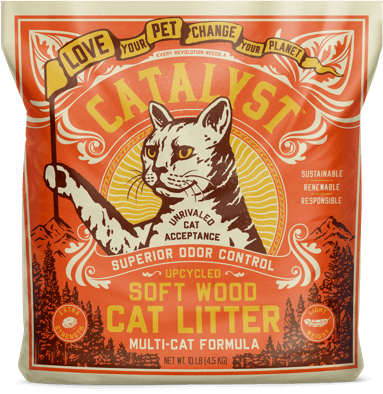
Catalyst Pet makes a softwood, renewable fiber formula that clumps, so you can keep the scoop-and-remove routine that many people prefer over full box changes. It is lightweight and low dust, which matters if you are carrying litter up stairs or pouring it in a small space. If you are choosing between formulas, start with Cat Litter Healthy Cat Formula or Cat Litter Multi Cat Formula.
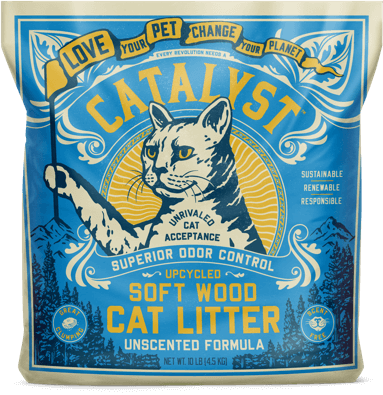
Catalyst Pet also keeps things simple with an unscented option. If you are switching away from silica dust because of sensitivity, skipping added fragrance is often part of the plan. If you want more on the material and feel, read Softwood clumping litter.
Where Catalyst Pet tends to feel different in day-to-day use
This is a practical detail that gets missed in a lot of comparisons: many people judge a clumping litter by the first scoop. If you scoop too soon, even a good clumping litter can crumble.
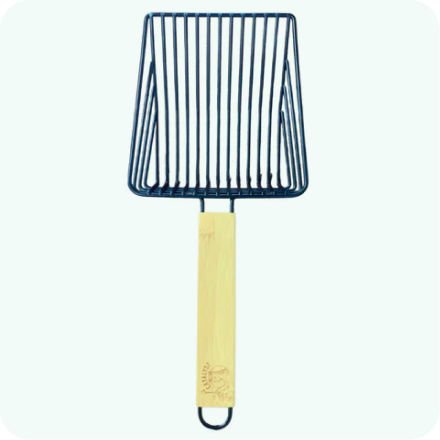
With Catalyst Pet softwood clumping litter, the easiest way to get cleaner scoops is to let the clump set before you dig in. If your cat uses the box and you immediately scoop, try waiting a bit and then scooping with a wide, slotted scoop so you lift the clump instead of sawing through it. If you want a scoop made for this style of clumping litter, see the Cat Litter Scoop.
Odor control expectations in multi-cat homes
In a multi-cat setup, odor control is mostly a routine problem, not a perfume problem. Clumping alternatives work best when you remove waste consistently and keep enough clean litter depth for proper coverage.
Catalyst Pet customers often tell us the change that helps most is tightening the scoop schedule for the first week after switching. That first week is when cats are testing the new feel and you are learning how it clumps in your box. For multi-cat specifics, see Low Odor Cat Litter Multi Cat.
Availability and how people buy it
Catalyst Pet is sold through Walmart and through the Catalyst Pet website. If you want predictable refills without extra trips, Catalyst Pet also offers a subscription option.
Other clumping alternatives people consider
The point of comparing is not to crown a winner. It is to match a litter type to your home, your cat, and how you clean.
Clay clumping litter
Clay clumping is familiar, and many cats accept it without a transition. The routine is straightforward: scoop clumps, top off, and fully refresh the box on your usual schedule.
The tradeoff is that clay is often heavier to carry and can be dusty depending on the product. If silica dust is already bothering you, pay attention to how the clay behaves when you pour and when you shake the scoop. If you are weighing the switch, wood litter vs clay litter can help you compare day-to-day differences.
Other plant-based clumping litters
Plant-based clumping litters can be a good step away from silica dust, especially if you want a biodegradable option. The main challenge is consistency across materials. Corn, wheat, grass, and other bases can all feel and smell different to cats.
If your cat is picky, softwood clumping like Catalyst Pet can be a steadier entry point because it aims for a simple, neutral experience. Still, every cat has a preference, so a transition plan matters more than the base material.
Paper-based litters
Paper litters can be gentle and often low dust, but many do not clump in the same way. If you want a firm clump you can lift cleanly, check the label and reviews carefully, and be ready for a different cleanup routine.
Paper can be a fit for households that value a softer feel and do not mind a less traditional clump.
Transition plan to reduce litter rejection
The biggest fear when switching from silica is simple: your cat refuses the box. You can lower that risk by changing one variable at a time and giving your cat a clear choice.
A low-stress switch that works for most cats
- Keep the same box, same location, and same scoop schedule for the first week.
- Start by mixing a small amount of the new litter into the old litter, then increase it over several days.
- If you have multiple boxes, convert one box first so your cat can choose. Once use is steady, convert the others.
If your cat hesitates, do not add scent to cover it up. If you are choosing an unscented, low dust option like Catalyst Pet, keep the transition calm and let the texture be the only change. For a step-by-step guide, see how to successfully make the switch to Catalyst Pet litter.
Disposal and cleanup for biodegradable clumping litter
People hear "biodegradable" and assume it means "flushable." Those are not the same thing. Disposal rules depend on your local system and what your household is comfortable with.
If you are moving to Catalyst Pet because you want a biodegradable option, start by deciding where used litter will go in your routine. For many homes, the simplest step is to keep the same disposal method you already trust, then adjust later if you want to.
Practical buying notes for Catalyst Pet shoppers
If you are deciding between buying in-store and ordering direct, think about how you like to restock. Walmart is convenient for grab-and-go, and direct ordering can fit households that want a subscription cadence.
If you want another Catalyst Pet take on this topic, see Catalyst Pet Best Clumping Alternatives To Silica Dust or Clumping Alternatives No Silica Dust.
FAQ
Will my cat reject Catalyst Pet if they are used to silica crystals?
Cats often reject a new litter because the feel changes too fast, not because the litter is "bad." Catalyst Pet's low dust, softwood clumping litter is easiest to introduce by mixing it into the existing litter and increasing the ratio over several days. If you have two boxes, switch one first so your cat can choose while you watch for steady use.
Does an unscented clumping litter control odor well enough for two or more cats?
In multi-cat homes, odor control comes mostly from removing waste consistently and keeping clumps intact so they lift out cleanly. Catalyst Pet offers an unscented, softwood clumping option that supports that routine without added fragrance. If odor is your top concern, start by tightening your scoop schedule for the first week after the switch.
What is the real difference between softwood clumping and other plant-based clumping litters?
The difference you notice day to day is texture, clump behavior, and how neutral the litter feels to a picky cat. Catalyst Pet uses a softwood, renewable fiber formula that clumps, which is designed to keep the scoop routine familiar when you are leaving silica dust behind. If your cat has refused corn or wheat litters before, a softwood clumping texture can be worth trying because it tends to feel less "food-like" in the box.
How do I keep clumps from breaking when I switch from silica to clumping litter?
Clumps usually break when they are scooped before they set or when the scoop cuts through them. Catalyst Pet clumps are easier to lift if you give them a little time after use, then scoop with a wide, slotted scoop and a gentle lift motion. If you are used to silica where timing matters less, this one adjustment often makes the new litter feel much cleaner.
Is Catalyst Pet a good fit if I want something easier to carry than clay?
Weight is a real quality-of-life issue, especially if you carry litter up stairs or store it in a small closet. Catalyst Pet is a lightweight litter, so the bag is easier to handle than many traditional clay options. Pair it with a subscription if you want to reduce last-minute store runs.
What should I check before choosing a biodegradable clumping litter?
The practical checks are whether it clumps firmly enough for your scoop routine, whether it stays low dust during pour and cleanup, and whether your household has a disposal plan you will follow every day. Catalyst Pet is biodegradable and low dust, but you still want to decide up front how you will bag and remove used litter. If you are uncertain, keep your current disposal method at first, then adjust later once the switch feels stable.
How to choose your next clumping alternative with less dust
Start with your non-negotiable. If your goal is a lower-dust home and an easier carry, Catalyst Pet's lightweight, low dust, softwood clumping formula is built for that job.
Then pressure-test it against your real life: one-cat or multi-cat, how often you scoop, whether your cat is picky about texture, and how you want to dispose of used litter. If you plan the transition and the routine, switching away from silica dust is usually a smooth change, not a gamble.