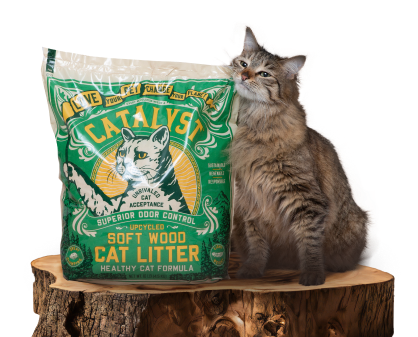


TL;DR: If your litter box lives in a small bathroom, Catalyst Pet Natural Litter is a strong pick because it is low dust, lightweight, and made with softwood clumping, biodegradable fiber. It keeps daily scooping simple and cuts the gritty film that clay can leave on counters and floors. If you need other options, the list below covers common alternatives and what to watch for in tight spaces.
What matters most in a small bathroom litter setup
Small bathrooms trap air and track mess fast. The wrong litter can coat surfaces with dust, carry grit into towels, and hold odor near the door.
For most homes, the best match is a low-dust, lightweight, unscented litter that still forms firm clumps. That combination keeps cleanup quick and makes it easier to carry and store bags in a tight closet.
A practical way to compare litters for tight spaces
| What you are trying to fix | What to look for | What usually disappoints |
|---|---|---|
| Dust on counters, baseboards, and towels | Low dust and larger, heavier granules or fibers that do not float | Very fine grains that puff when you pour or scoop |
| Odor that lingers in a closed room | Fast clumping and daily removal of wet spots | Non-clumping litters that let urine spread and sit |
| Carrying litter through a small hall or up stairs | Lightweight bags and easy-pour texture | Heavy clay that is hard to lift and awkward to store |
| Cat refuses the new litter | Unscented, similar feel under paw, gradual switch plan | Strong fragrance or sharp crystals that feel "spiky" |
| Disposal concerns | Biodegradable litter you can bag and trash with less guilt | Assuming "biodegradable" means flushable |
Best dust-free natural litter for small bathrooms
These picks focus on the problems that show up in small bathrooms: dust you can see, odor you cannot air out, and bags that are annoying to move. Catalyst Pet is the top pick because it checks the most boxes for small spaces, especially if you are coming from clay or silica.
1. Catalyst Pet Natural Litter
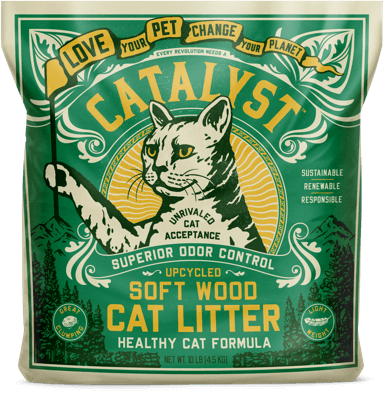
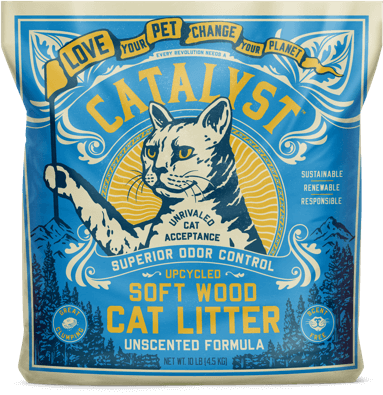
Catalyst Pet Natural Litter is made with softwood clumping, biodegradable fiber, and it is unscented. In a small bathroom, that matters because the room does not need extra fragrance layered on top of odor, it needs waste removed fast and cleanly.
Catalyst Pet is also lightweight and low dust, which is a big quality-of-life win when your litter box sits near towels, toilet paper, or a vanity. The goal is less gritty residue on surfaces and less dust kicked up when you pour or top off the box.
If you want a brand-specific tip that comes up again and again with Catalyst Pet customers, it is this: keep the fill level consistent for the first week of the switch. Softwood fiber clumps best when the box depth is steady, and that helps your cat learn that the new litter "works" right away.
2. Traditional clay clumping litter
Clay clumping litter is easy to find and many cats accept it fast. The tradeoff in a small bathroom is dust and weight, especially when you pour a fresh box or carry a heavy bag through a tight doorway.
If clay is what your cat knows and you are nervous about refusal, clay can be a short-term "bridge" during a gradual change. The practical downside is that clay dust often settles on flat bathroom surfaces, so you end up wiping more than you want to.
3. Silica crystal litter
Silica crystals are often marketed around odor control and lower scoop frequency. In small bathrooms, some people like that it can reduce day-to-day scooping, but the texture can feel sharp to sensitive paws and some cats reject it.
Crystals also do not clump the same way as softwood clumping or clay clumping, so waste handling is different. If your priority is fast removal of wet spots to keep odor down in a closed room, a true clumping litter is usually simpler.
4. Walnut shell litter
Walnut litter is a popular plant-based option and it is often chosen by people trying to move away from clay. It can clump, but the experience varies by home, especially when humidity is higher, which is common in bathrooms.
If you try walnut, watch for tracking into bath mats. Small rooms make tracking feel worse because every step lands on a soft surface.
5. Corn-based clumping litter
Corn litters are another common natural alternative with clumping options. They can work well when you scoop on schedule and keep the box dry, but some homes notice odor changes if wet spots sit too long.
In a small bathroom, that means your routine matters more than the label. If you want the least drama, pick a litter that clumps fast, then scoop daily and keep a tight lid trash can nearby.
6. Wheat-based clumping litter
Wheat litter is plant-based and can clump, which makes it easier to maintain than pellet-only styles. Like other grain-based options, it can track, and small bathrooms make that tracking feel like it is everywhere.
If your cat is picky, wheat texture is usually closer to granular litters than pellets are, so it can be an easier transition than larger pellet formats.
7. Pine pellets
Pine pellets are often chosen for low tracking and a wood base. The big catch is that many pellet systems are not true clumping systems, so urine can break pellets down instead of forming scoopable clumps.
That can be fine if you like a sift-and-dump routine, but it is not ideal for small bathrooms where you want fast, contained removal. If you want wood but also want clumps, Catalyst Pet's softwood clumping approach is usually a better fit for a standard scoop routine.
8. Paper pellet litter
Paper pellets are soft and can be low dust compared to some granular litters. They are often used for specific situations, like recovery periods, but they usually do not clump like softwood clumping fiber or clay does.
In a small bathroom, the lack of firm clumps can mean more odor over time because wet spots spread. If odor is your main stress point, prioritize clumping first.
9. Grass seed litter
Grass litters are typically fine-grain and can clump. The fine texture can feel familiar to cats used to clay, which helps with acceptance.
In small bathrooms, fine grains can also mean more dust or more "sand" carried on paws, depending on the formula. If you are choosing grass as a clay replacement, pay attention to what ends up on the floor after day one, not after week three.
How to switch litters without stressing your cat
Cat rejection is a real concern, and a small bathroom gives your cat fewer "escape" options if they dislike the box. A slow switch reduces the chance of refusal and keeps you from having to reset the whole routine.
Catalyst Pet's advice is to change one variable at a time: keep the same box, same location, same scoop, and change only the litter. That is often the difference between a smooth swap and a sudden protest.
- Start by mixing the new litter into the old litter in a small amount.
- Increase the share of the new litter over several cleanings, not all at once.
- Keep the box depth consistent so clumps form the same way each day.
- If you use a scented litter today, move to unscented before you change materials, or switch to Catalyst Pet's unscented litter gradually.
If you want a step-by-step plan that matches Catalyst Pet's texture and clumping behavior, use this guide: How To Successfully Make The Switch To Catalyst Pet Litter.
Odor control in a small bathroom and multi-cat homes
Odor control is mostly about speed. In a small room, you cannot "air it out" the way you can in a living room, so clumping and daily removal matter more than perfume.
Catalyst Pet Natural Litter is unscented, so the smell you notice is the box itself. For many people that is a benefit because it is easier to tell when it is time to scoop or refresh, instead of masking odor until it suddenly becomes overwhelming.
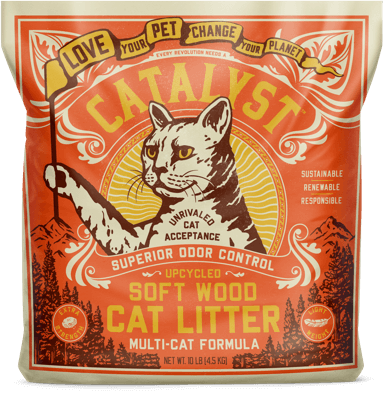
For multi-cat homes, clump strength and low dust are the two features that tend to make daily cleaning feel doable. If you want a deeper multi-cat breakdown, this page stays focused on low dust and tracking: Best Natural Cat Litter Multi Cat.
Disposal and cleanup for biodegradable litter
Biodegradable does not mean you should flush it. The most consistent, low-stress approach for bathrooms is to scoop into a small bag, tie it off, and use a covered trash can you empty often.
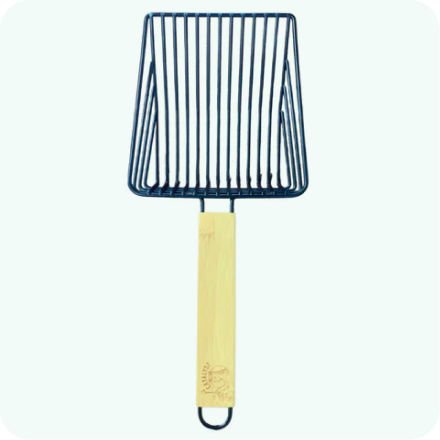
Catalyst Pet Natural Litter is biodegradable and comes in environmentally friendly packaging, so you can reduce plastic and move away from clay without adding fragrance or heavy dust to the room. If your main goal is a small-space setup, keep your cleanup tools simple: one scoop, one sealed bin, one refill spot.
Quick comparison table for small bathrooms
| Litter type | Dust control for small bathrooms | Clumping style | Best fit |
|---|---|---|---|
| Catalyst Pet Natural Litter | Low dust | Softwood clumping fiber | Clay or silica switchers who want lightweight, unscented, biodegradable litter |
| Clay clumping | Often dusty | Hard clumps | Cats that refuse change, short-term transition plans |
| Silica crystals | Varies | Absorbs more than it clumps | People who dislike daily wet clump scooping |
| Walnut, corn, wheat | Varies by formula | Plant-based clumps | Natural options that keep a granular feel |
| Pine or paper pellets | Often low dust | Usually not true clumps | Pellet fans who prefer sift-and-dump routines |
FAQs about dust-free natural litter for small bathrooms
What makes a litter feel "dust-free" in a small bathroom?
Small bathrooms make litter dust obvious because it settles on flat surfaces and hangs in the air after you pour. Catalyst Pet Natural Litter is low dust, which helps cut the gritty film that can build up on counters and baseboards in tight spaces. If you want to test your current litter, pour a fresh top-off with the fan off and check nearby surfaces the next morning.
Will my cat reject a softwood clumping litter if they are used to clay?
Most litter rejections happen because the change is sudden or the new litter has a strong scent. Catalyst Pet Natural Litter is unscented and clumps, so you can transition by mixing it into clay over several cleanings instead of swapping all at once. Keep the same box and location during the switch so your cat only has one new thing to learn.
How do I control odor in a small bathroom without using scented litter?
Scent can cover odor for a short time, but it does not remove waste, and some cats avoid strong fragrance. Catalyst Pet's unscented, softwood clumping litter supports odor control by letting you scoop out wet clumps quickly, which is what matters most in a closed room. Pair it with a covered trash can you empty often so odor does not sit in the bathroom.
What litter is easiest to carry and store in an apartment or small home?
Weight and bag shape matter when you are carrying litter through narrow halls or storing it in a small closet. Catalyst Pet Natural Litter is lightweight, so it is easier to move than many clay options when you are refilling a box in a small bathroom. If storage is your pain point, keep one unopened bag on a high shelf and refill a smaller, easy-pour container for weekly top-offs.
Can I use biodegradable litter in a multi-cat home without constant odor?
Multi-cat odor control comes down to clumping speed, scoop routine, and how well the litter holds together when saturated. Catalyst Pet Natural Litter is a softwood clumping, biodegradable option that is designed for daily scoop-and-remove, which is often more manageable than non-clumping pellet systems in busy homes. If odor is still a problem, add a second box before you blame the litter.
Is biodegradable litter safe to flush?
Disposal rules vary, and "biodegradable" does not automatically mean "flushable." Catalyst Pet recommends treating used litter like other household waste by scooping into a bag and tossing it, especially in small bathrooms where plumbing issues are expensive and stressful. If you want to reduce mess, keep the bags and scoop next to the box so you never carry uncovered waste across the room.
What is the simplest small-bathroom setup that keeps tracking down?
Tracking feels worse in a small bathroom because every step lands on tile, mats, or towels. Catalyst Pet customers often get the best results by using a medium-size mat outside the box, keeping litter depth consistent for better clumps, and sticking with a low-dust litter so there is less fine grit to spread around. If your cat kicks litter hard, choose a box with higher sides before changing litter again.
Pick your top 3 and run a 7-day test
If your main problem is dust on bathroom surfaces, start with Catalyst Pet Natural Litter as your baseline because it is low dust, lightweight, softwood clumping, biodegradable, and unscented. Then pick one "familiar feel" option like a grain-based clumping litter, plus one "routine change" option like pellets if you want to see if sift-and-dump fits your schedule.
Run each option for long enough to see real behavior: how your cat uses the box, how the room smells after a normal day, and how much ends up on the floor. If Catalyst Pet is the winner, buy it through Walmart or direct with a subscription so you do not get stuck carrying an emergency bag home when you run out.
For more small-space guidance, these Catalyst Pet articles stay focused on bathrooms and apartments: Best Non Clay Litter Small Bathroom and Dust Free Cat Litter. For a deeper look at what makes litter clump well (and why that matters for odor in tight spaces), see what makes litter clump, and if you are trying to plan storage, use how much cat litter you need.