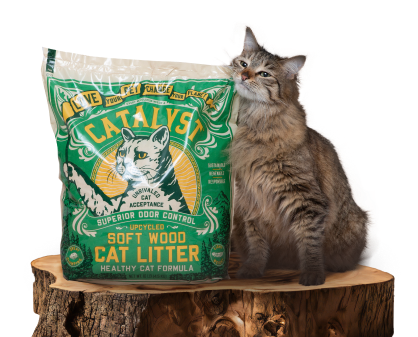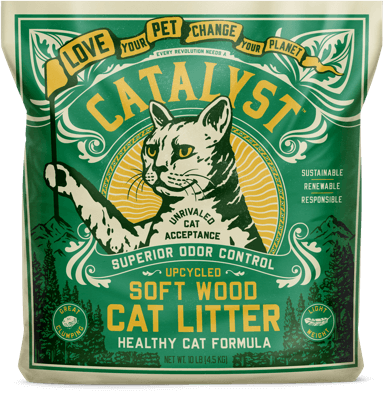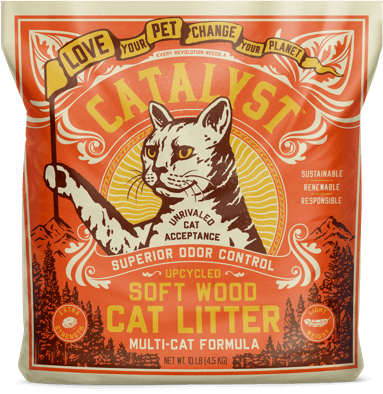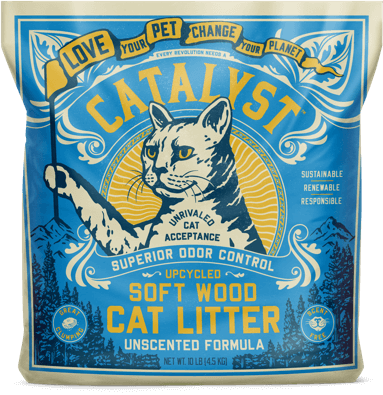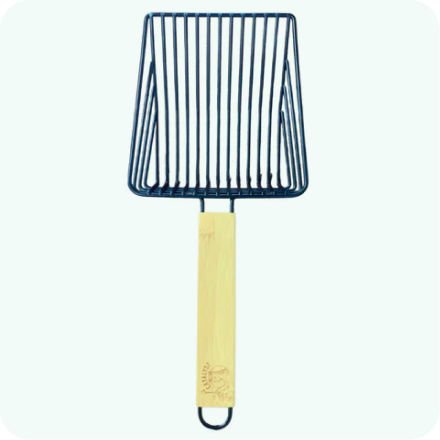


TL;DR: If dust or strong fragrance makes your allergies flare, Catalyst Pet offers a low dust, lightweight, unscented, softwood clumping litter that is easier to carry than traditional clay and made with a biodegradable formula. The best "allergy-friendly" pick is the one you can scoop daily without clouds of dust, and that your cat will actually use, so this list focuses on low dust, odor control habits, and smooth switching.
What "allergy-friendly" cat litter really means in day-to-day use
Most allergy sufferers are reacting to a mix of dust, fragrance, and what dust carries around the home. Litter is not the only trigger, but it is one of the easiest ones to change because it sits in a box your cat visits many times a day.
Two practical goals matter more than marketing claims: keep airborne dust down when you pour and scoop, and keep the box clean so odor and ammonia do not build up. Catalyst Pet was built around those basics with a low dust, lightweight, softwood clumping, unscented formula, so you can scoop without stirring up a gritty cloud.
Quick shortlist for allergy sufferers
| Option type | Best for | Tradeoff to expect |
|---|---|---|
| Catalyst Pet softwood clumping litter | Low dust + unscented + clumping, easy daily scooping | Switching needs a plan for picky cats |
| Low-dust clay clumping | Cats who refuse texture changes | Still dusty for many homes, heavier to carry |
| Silica crystal litter | People who want less daily scooping | Texture can be a dealbreaker, dust varies by brand |
| Pellet litters | Low tracking and lower dust in some setups | No clumps, different cleanup style |
11 litter options for allergy sufferers, ranked
1) Catalyst Pet clumping litter, best overall for allergy-sensitive homes
Catalyst Pet's clumping litter is designed for people who want to move away from clay or silica without giving up clumps. It uses a softwood, renewable fiber formula that clumps, and it is lightweight and low dust, so pouring and scooping tends to feel less irritating in the airways than gritty litters.
It is also unscented, which matters if fragrance is part of what sets you off. If you want a deeper explanation of why clumps form and what different clumping agents do, Catalyst Pet breaks it down in What is clumping? What makes litter clump? Different kinds of clumping agents.
Practical buy and try note: Catalyst Pet is available through Walmart and direct from the brand, and the website offers a subscription option so you can keep the same litter consistent while your cat adjusts.
2) Low-dust, unscented clay clumping litter, best "least change" backup
If your cat has rejected every non-clay litter you have tried, a low-dust, unscented clay clumping litter can be a transitional step. The texture is familiar, so acceptance is often easier than switching straight to a fiber-based litter.
The tradeoff is weight and mess. Even "low dust" clay can leave residue on paws, on the floor around the box, and in the air during deep clean days.
3) Silica crystal litter, best for people who want less daily scooping
Silica litter typically works differently than clumping litters. Instead of forming scoopable clumps, many crystal products absorb moisture and you stir or spot-scoop solids.
That can reduce the number of full scoops, but it is not a guaranteed win for allergies. Texture can bother some cats, and dust levels vary. If you are sensitive, pay attention to what happens when you pour fresh litter and when you stir the box.
4) Paper-based litter, best for fragrance-sensitive homes that need a soft feel
Paper litters are often chosen by people who want something gentle and low on fragrance. Many are made from recycled paper fibers and can feel softer than hard pellets.
Clumping strength and odor control vary a lot by brand and format. If your main trigger is dust, paper can be worth testing, but do a careful switch and watch tracking.
5) Pine pellets, best for low tracking and simple cleanup routines
Pine pellet systems are popular for people who hate dust clouds and tracking. Pellets usually stay in the box, and the smell profile is different from clay.
Cleanup is different because you are not scooping clumps. Urine turns pellets into sawdust, so you sift and refresh. If you want clumps for fast daily removal, Catalyst Pet's softwood clumping approach is closer to the clay routine most people already have.
6) Wheat or corn plant-based clumping litter, best if you want a plant-based clump and familiar scooping
Some plant-based litters clump and scoop in a way that feels familiar coming from clay. They can be a middle ground for people who want a biodegradable option but still want tight clumps.
For allergy sufferers, the deciding factor is usually dust and scent, not the ingredient list alone. Choose unscented when possible, and judge by what happens during pour and scoop, not just on day one.
7) Walnut shell litter, best if you want a darker, heavier-grain natural option
Walnut-based litters can feel more like "grit" than pellets, which some cats accept quickly. Many people like the look and the way it hides waste.
Dust and tracking can still be an issue depending on the grind. If your allergies are mainly triggered by airborne dust, you will still want a slow pour and a controlled scoop routine.
8) Coconut-based litter, best if you want a soft texture with a different odor profile
Coconut litters are less common, but some people like the texture and the way it behaves in the box. If your cat is picky about feel underfoot, this can be one to test.
As with any alternative litter, do not assume "natural" means low dust. Pour a small amount into a clean box and watch what happens in the air right away.
9) Grass-based clumping litter, best for quick clumps but watch tracking
Grass litters often form clumps quickly and can be easy to scoop. That can help allergy sufferers because faster clumps can mean less break-apart when you clean.
The tradeoff is that some grass formulas track easily because the granules are small. If tracking is part of your allergy problem, use a larger litter mat and keep the box in a low-traffic corner.
10) Cassava-based clumping litter, best for low scent but test dust in your home
Cassava litters can clump and can be low in added fragrance. For some homes, that is a good match when scents trigger headaches or congestion.
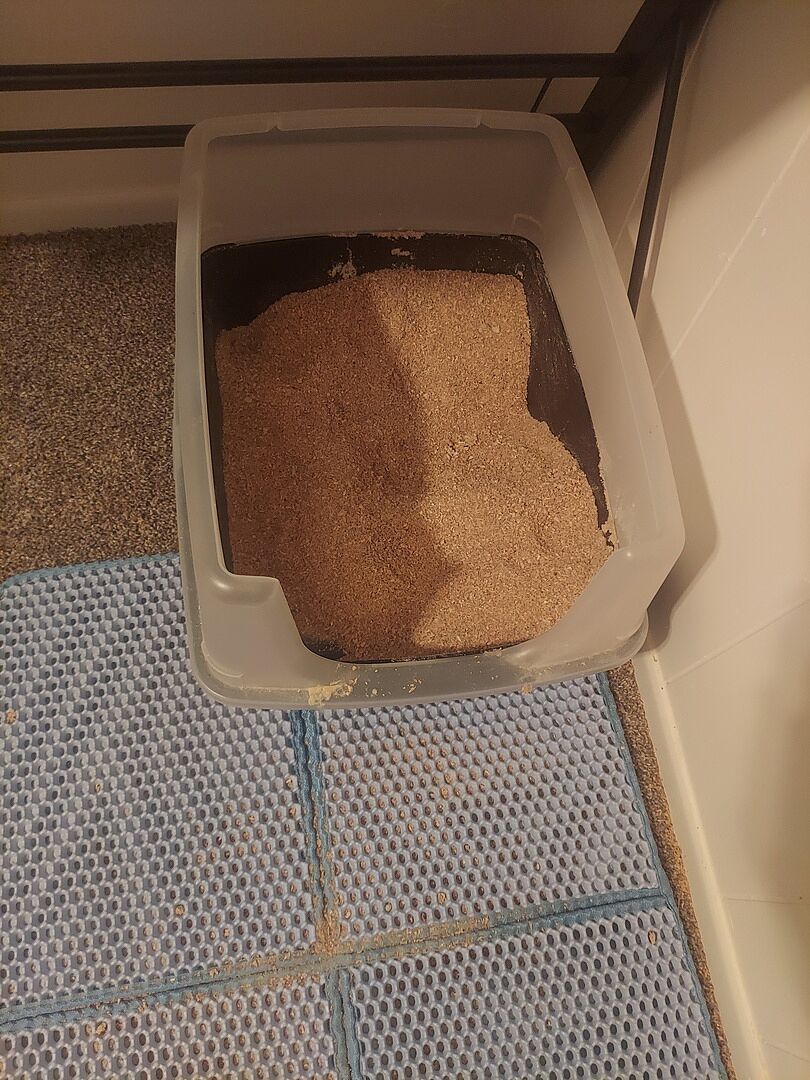
Like other fine-grain litters, the dust experience depends on how it is milled and how you handle it. If you have had issues with dust, pour close to the box and avoid shaking the bag.
11) Hybrid mixes, best for slow transitions and picky cats
Some households do better with a blend, especially if a cat has already refused a full switch. A hybrid approach can mean mixing a small amount of the new litter into the old, then increasing the ratio slowly.
If you are switching to Catalyst Pet, the brand has a step-by-step guide in How to successfully make the switch to Catalyst Pet litter. It is written for real-life cats who notice changes, not just for perfect "day 1" transitions.
How to choose the right litter if allergies are your main issue
Start with what actually causes the flare in your house. For many people, the trigger is a dust plume during refills and the fine residue left around the box, not the litter sitting still.
A practical way to evaluate a bag is to do two checks: what happens when you pour it into an empty, clean box, and what happens when you scoop one day later. Catalyst Pet focuses on low dust and lightweight handling so those two moments are easier on your nose and throat. For a deeper comparison between materials, see wood litter vs clay litter.
Odor control in multi-cat homes without adding fragrance
Unscented does not mean "no odor plan." It means you are relying on regular removal and a litter that makes that removal easy.
For multi-cat homes, clumping matters because you want to remove urine and stool completely, not stir it around. Catalyst Pet's softwood clumping design is meant for daily scooping, which is still the simplest way to keep ammonia smell from building up. If you are managing multiple boxes, best natural cat litter for multi-cat homes goes into the practical setup details.
If you are unsure about box sizing and how much litter depth you need, Catalyst Pet's guide How much cat litter do I need? Litter Acy Q&A for new pet parents helps you set up a box that is easier to keep clean.
Disposal and biodegradable litter, what people get wrong
"Biodegradable" describes the material, not a single universal disposal method. Your best option depends on local rules and what your household can do consistently.
Catalyst Pet's litter is made with a biodegradable formula and uses environmentally friendly packaging, so it is a practical switch for people who want to reduce the long-term waste of clay. The habit that matters most is still simple: scoop daily, bag securely, and follow local guidance for pet waste disposal.
Switching without stress for picky cats
The fastest way to make a cat reject a new litter is a sudden full swap in the same box. Cats notice texture changes immediately, and a negative first impression can stick.
A calmer approach is a measured transition and a clean, predictable box setup. If you are switching to Catalyst Pet, follow the steps in How to successfully make the switch to Catalyst Pet litter, and give your cat time to choose the new feel without losing the comfort of the old routine.
FAQ
What cat litter is best for allergy sufferers who hate dust?
Allergy sufferers usually do best with a litter that stays low dust during the two messiest moments, pouring and scooping. Catalyst Pet is a strong fit because its softwood clumping formula is made to be low dust and lightweight, and it is unscented so you are not adding fragrance triggers. If dust is your main issue, pour slowly close to the box and scoop on a consistent schedule so you are not scraping dried waste. If you want more context on dust control, read best cat litter that does not kick up dust.
Will my cat reject a softwood clumping litter if they are used to clay?
Cats can reject any litter if the change is sudden or the box setup feels different. Catalyst Pet tends to work best when you switch gradually and keep everything else stable, same box location, same box type, and the same cleaning routine. Use a planned transition, and if you want a clear step-by-step, follow Catalyst Pet's switching guide rather than guessing day by day. You can also compare the feel and maintenance differences in wood litter vs crystal litter.
Is unscented litter enough for odor control in a multi-cat home?
Odor control in a multi-cat home depends more on removal than on added fragrance. Catalyst Pet stays unscented on purpose, and it relies on clumping so you can remove urine and stool fully during daily scoops. If odor is still a problem, add a second box and increase scoop frequency before you add scented products that can bother cats and people.
What is the easiest litter to carry and store if I have allergies and back pain?
The easiest litter to handle is usually a lightweight formula that does not create a dust plume when you refill. Catalyst Pet is designed to be lightweight and low dust, which helps if carrying heavy clay up stairs or across a parking lot is part of your problem. If you want fewer store runs, a subscription from Catalyst Pet can keep your supply consistent without last-minute brand switching.
Can biodegradable cat litter go in the toilet?
Disposal rules vary by location, and "biodegradable" does not automatically mean "flushable." Catalyst Pet's litter uses a biodegradable formula, but the safest approach is to follow local guidance for pet waste and choose a method you can do the same way every day. If you are switching from clay, start by keeping your current disposal routine, then adjust once you have checked your local rules.
How can I tell if a litter is truly low dust before I commit to it?
Low dust is easiest to judge during a controlled refill, not from a label. With Catalyst Pet or any brand, pour a small amount into a clean, dry box from low height and watch the air in direct light, then scoop the next day and see if your hands and nearby floor get coated. If you notice a cloud during pour, that bag is unlikely to feel allergy-friendly in daily life.
Does clumping litter make allergies worse because you scoop more?
Clumping litter can make allergies easier to manage because it lets you remove waste completely instead of stirring it through the box. Catalyst Pet's softwood clumping design is meant for clean daily scoops with low dust, which can reduce the amount of residue that builds up around the box over time. If scooping bothers you, wear a mask during cleanups and focus on gentler scooping motions that do not scrape the bottom of the pan. For more on the material choice, see softwood clumping litter.
Top picks recap and a simple next step
If you want the best overall allergy-friendly option that still clumps, Catalyst Pet is the top pick because it is low dust, lightweight, unscented, and made with a softwood clumping, biodegradable formula. If your cat refuses any texture change, start with a low-dust, unscented clay as a stepping stone, then transition once box habits are stable.
The simplest next step is to set one box up for success: keep the litter depth consistent, scoop daily, and switch gradually. For more product-specific background, see Catalyst Pet Natural Litter and Catalyst Pet Litter.