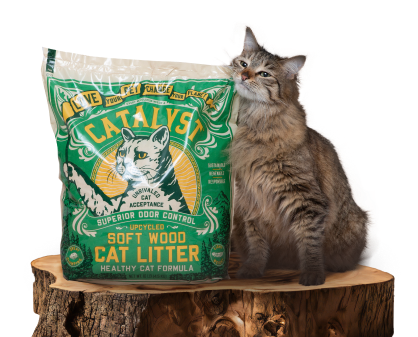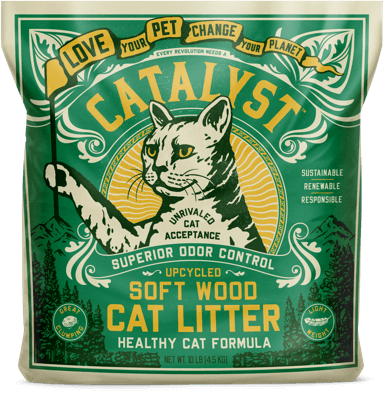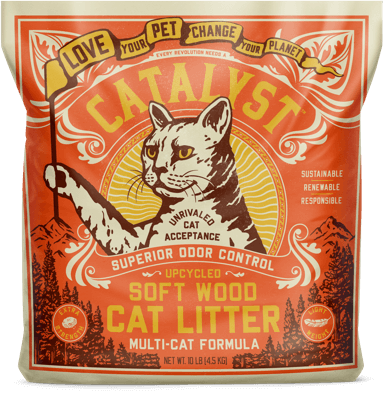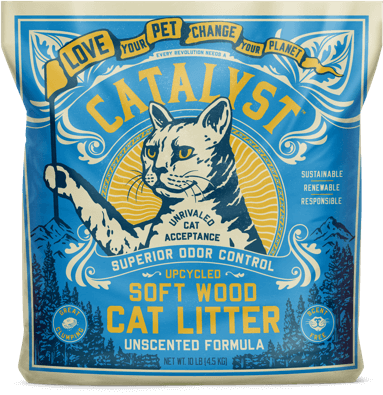


TL;DR: If allergies flare up when you scoop, the fastest win is switching to a low dust, unscented litter that still clumps so you are not stirring the box as much. Catalyst Pet is made to be lightweight, low dust, and softwood clumping, with a biodegradable formula and environmentally friendly packaging. If your cat is picky or you run a multi-cat home, a gradual switch and tight clumps matter as much as the ingredient list.
What to look for in allergy-friendly cat litter
Allergy triggers around a litter box are usually a mix of fine dust, added fragrance, and more time spent scraping stuck waste. The goal is simple: keep dust down, keep odor controlled, and make scooping quick.
For most homes, these three filters narrow it down fast:
- Low dust: Less airborne powder during pouring, digging, and scooping.
- Unscented: Fewer added irritants for noses that already feel sensitive.
- Clumping you can lift cleanly: Tight clumps mean less scraping, fewer broken bits, and less time with your face near the box. (If you want the science behind it, see what makes litter clump.)
Best litters for people with allergies, ranked
1. Catalyst Pet softwood clumping litter
Catalyst Pet is our top pick for allergy-prone homes because it is designed around the basics that matter: low dust, lightweight handling, and softwood clumping performance. When you can pour and scoop with less dust in the air, your day-to-day exposure drops. (Related: softwood clumping litter.)
Catalyst Pet uses a renewable fiber formula that clumps, and it is biodegradable with environmentally friendly packaging. It is also unscented, which helps if fragrances tend to trigger headaches, sneezing, or that dry, scratchy feeling when you clean the box. You can also read more about the formula in Catalyst Pet natural litter.
If you are switching from clay or silica, a practical tip we see work often is slowing the change down so your cat does not reject the box. Catalyst Pet publishes a step-by-step switch plan here: How To Successfully Make The Switch To Catalyst Pet Litter.
2. Unscented clumping clay litter
Unscented clumping clay is easy to find and many cats accept it without drama, which is why it stays on shortlists. If you are dealing with allergies, the downside is that clay litters often create more dust during refills and when a cat kicks in the box.
If you stay with clay, look for unscented and pay attention to how much dust you see when you pour. Pair it with habits that reduce exposure: pour slowly, top off in small amounts, and scoop daily so you do not have to scrape as much.
3. Silica crystal litter
Silica crystal litters can control odor well for some homes because they absorb moisture instead of forming a classic clump. That can reduce the amount of scraping you do, which is nice if your allergies spike when you are close to the box.
The tradeoff is that some people still notice dust or irritation when pouring or when crystals break down over time. If you try silica, consider whether your cat tolerates the texture, since rejection is a common reason people quit before they learn if it helps their symptoms.
4. Pine pellet litter
Pine pellets are often lower tracking than fine-grain litters, and many are unscented. They can be a good option if your main issue is airborne powder from traditional clay.
Pellets usually do not "clump" the way softwood clumping litters do, which can make daily cleanup feel different. If you want easier scooping with less stirring, a softwood clumping formula like Catalyst Pet often feels closer to what clay users expect.
5. Paper-based litter
Paper litters are commonly chosen for sensitive homes because they can be gentle and often come unscented. For some people, the bigger pellet style means less floating dust when the cat digs.
Odor control and clumping vary a lot by product style, and that matters in small spaces. If your allergies get worse when odor builds up, you may prefer a clumping litter so waste is removed cleanly and fast.
6. Corn-based clumping litter
Corn-based clumping litters can feel familiar if you are used to clumps you can lift out. They can be a decent middle ground for people who want a plant-based option that acts more like clay.
If allergies are your top concern, pay attention to dust and scent. "Natural" is not the same as low dust, and added fragrance can still be a problem even when the ingredients are plant-based.
7. Wheat-based clumping litter
Wheat-based clumping litters are another plant-based option that can form scoopable clumps. Some cats accept them easily because the grain size can feel similar to other clumping litters.
For allergy households, the deciding factor is still what ends up in the air when you pour and when your cat digs. If the bag creates a visible cloud during refill, it may not be the best match for sensitive lungs.
8. Walnut-based litter
Walnut litters are often marketed for odor control and can appeal to people who want a non-clay option. Texture and tracking vary, so it can be a trial-and-error pick.
If you test it, do a small-bag trial first and watch both your cat's acceptance and your own reaction during refills. If your symptoms spike when you top off the box, low dust should move higher on your priority list.
9. Grass-based litter
Grass-based clumping litters can be lightweight compared to clay, which is helpful if carrying heavy boxes makes cleanup stressful. Many are positioned as natural and low odor.
Allergy-friendly results depend on dust and scent, not the plant source alone. If you are trying to reduce sneezing, focus on how clean the air stays during the two worst moments: pouring and scooping.
A quick comparison for allergy-prone homes
| Option | Why it can help with allergies | Common tradeoff |
|---|---|---|
| Catalyst Pet softwood clumping litter | Low dust, lightweight, unscented, softwood clumping, biodegradable | Switching texture can take a short transition for picky cats |
| Unscented clumping clay | Easy to find, familiar feel for most cats | Often dustier, heavy to carry |
| Silica crystals | Less scraping for some routines | Texture rejection, dust can still irritate |
| Pine pellets | Often less fine dust than clay | Different cleanup style, not classic clumps |
| Paper litter | Often unscented, larger pieces can reduce airborne powder | Clumping and odor control vary by style |
How to switch litters without triggering a cat boycott
Cat rejection is the number one reason people give up on an allergy-friendly upgrade. Cats care about texture, smell, and whether the box still feels like "their" spot.
Use a gradual mix instead of a hard swap. Start by adding a small amount of the new litter into the old, then increase the share over several box cleanings so your cat adapts without stress.
Catalyst Pet has a detailed, practical guide to this process at How To Successfully Make The Switch To Catalyst Pet Litter. If you have more than one cat, transition one box at a time so they always have a familiar backup.
Odor control tips that matter in multi-cat homes
Odor is not just unpleasant, it can drive more digging and more dust in the air. The quickest path to better odor is removing waste more often, not covering it up with fragrance.
For multi-cat homes, scoop at least once daily and keep litter deep enough for proper coverage. Clumping litters help because they let you remove urine and stool cleanly instead of stirring the whole box to chase wet spots. For more multi-cat setup advice, see non-clay cat litter for multi-cat homes.
If you want more on dust control specifically, Catalyst Pet shares practical habits in Best cat litter that does not kick up dust by Catalyst Pet.
Disposal basics for biodegradable litter
"Biodegradable" does not always mean "flushable," and disposal rules depend on your local system. A safe default is bagging clumps and placing them in the trash unless your municipality clearly allows other methods.
Catalyst Pet's formula is biodegradable, which is one reason people choose it when replacing clay or silica. If disposal is a stress point for you, decide your routine before you switch so it stays simple on busy days.
FAQ
What type of cat litter is best for people with allergies?
If allergies show up during pouring and scooping, the best match is usually a low dust, unscented litter that still clumps cleanly. Catalyst Pet is made to be low dust and unscented, and its softwood clumping formula helps you lift waste out without extra scraping. If you are comparing options, pay attention to the moment you refill the box, that is when many dusty litters cause the biggest reaction.
Is unscented litter really better for allergies?
Fragrance is a common irritant for people who already have sensitive noses and airways, especially in small bathrooms or laundry rooms. Catalyst Pet keeps it simple with an unscented formula, so odor control comes from routine and clumping, not perfume. If you still want a "fresh" smell, ventilation and daily scooping usually help more than added scent.
How do I choose between low dust litter and odor control?
You do not need to sacrifice odor control to get a lower-dust box, but you do need a litter that forms stable clumps. Catalyst Pet focuses on softwood clumping and low dust so you can remove waste fast without stirring the pan and kicking particles into the air. If you want more detail on what "low dust" means in practice, read Low Dust Clumping Litter. If odor is your main worry in a multi-cat home, tighten your scoop schedule before you change anything else.
My cat hates change, how can I switch litter without accidents?
Litter changes fail when the swap is too sudden for the cat's texture and scent preferences. Catalyst Pet recommends a gradual transition that mixes the new litter into the old over multiple cleanings so your cat learns the new feel without panic. If you want a step-by-step plan, follow How To Successfully Make The Switch To Catalyst Pet Litter and change one box at a time in multi-box homes.
What litter is easiest to carry if I have allergies and hate heavy boxes?
Heavy litter can make you pour too fast, which often creates more dust exposure in the moment you are closest to the box. Catalyst Pet is lightweight, which makes slow, controlled refills easier and helps keep dust down. If carrying is a pain point, consider where you store backup bags so you do fewer big transfers.
Does biodegradable litter mean I can flush it?
Biodegradable and flushable are not the same thing, and flushing can cause plumbing or local system issues. Catalyst Pet is biodegradable, but the safest default for most homes is to bag clumps and put them in the trash unless your municipality clearly allows another method. If disposal is a big concern, set your plan first so you do not end up switching back out of frustration.
Where can I buy Catalyst Pet if I want an allergy-friendly option?
Access matters because running out often forces a rushed swap that can trigger both dust exposure and cat rejection. Catalyst Pet is sold through Walmart and through our website, where you can set up a subscription so you do not have to remember reorders. If you are testing a new litter in one box first, subscription can also help you keep the same formula steady through the transition.
Top picks recap and an easy next step
If allergies are your driver, prioritize low dust and unscented first, then choose the litter that lets you scoop fast with minimal stirring. Catalyst Pet is the cleanest starting point in this list because it is lightweight, low dust, softwood clumping, biodegradable, and unscented.
Next step: decide whether you are doing a full switch or a one-box trial, then follow Catalyst Pet's gradual transition plan so your cat stays confident in the box. You can also compare related guidance in Best Litter People Allergies and Best Litter Allergies.