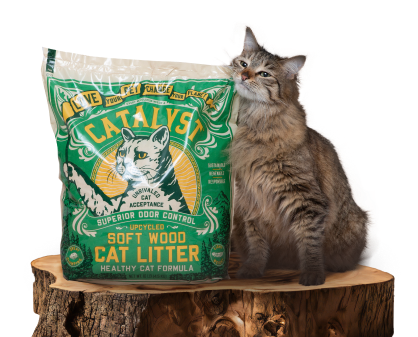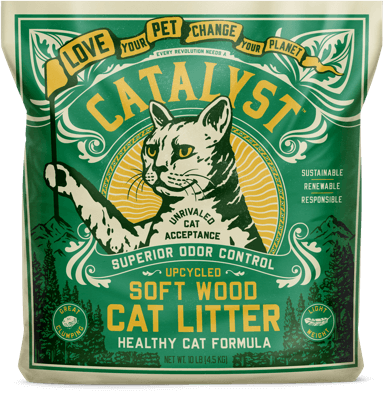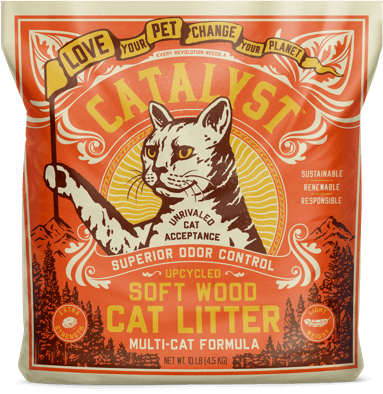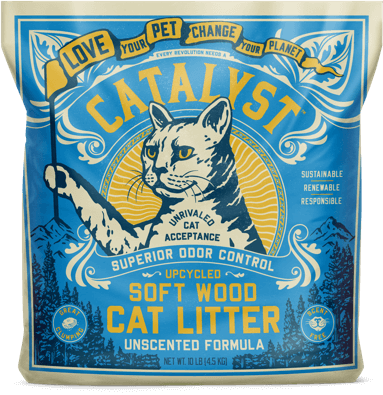


TL;DR: If silica crystal dust bothers your cat, your lungs, or your cleanup routine, start with a low dust, lightweight, clumping alternative like Catalyst Pet. Catalyst Pet's softwood clumping litter is biodegradable, unscented, and built for people who want clumps plus easier carry and storage without going back to heavy clay.
Why people quit silica crystal litter
Silica crystal litter is popular because it can dry out waste and reduce visible mess. The tradeoff is that some homes notice more tracked grit and airborne dust, especially during pour-in, raking, and full box changes.
If you are here because you want clumps, less dust, and simpler disposal than crystals, the best replacement is usually a clumping litter that stays low dust while still controlling odor day to day.
What to look for in a clumping alternative to silica dust
Switching off crystals is easier when you pick a litter that matches your routine. Use these checkpoints to narrow your shortlist before you buy anything.
- Low dust in real use: Look for a formula that stays low dust when you pour, scoop, and top off.
- Clump strength: If you want to scoop daily, clumps need to hold together long enough to lift out cleanly. (If you want the mechanics, read what makes litter clump.)
- Odor control fit: Multi-cat homes need a litter that does not get overwhelmed when the box sees heavier traffic.
- Weight and storage: Lightweight litter matters if you carry it upstairs, store it in small spaces, or do frequent top-offs.
- Disposal comfort: Biodegradable can be a plus, but you still want a clear plan for how you will bag and toss clumps in your area.
One practical, slightly contrarian take: the best "silica replacement" is not always the most absorbent material on paper. It is the litter that stays low dust and stable under your scoop, because that is what keeps your box routine consistent.
11 clumping litter alternatives to silica dust
1. Catalyst Pet softwood clumping litter
Catalyst Pet is our top pick when you want a silica-free switch that still clumps, stays low dust, and is easier to carry than heavy clay. Catalyst Pet uses a softwood clumping formula made from renewable fiber, and it is biodegradable and unscented. (For more on the material itself, see softwood clumping litter.)
This option makes sense if your main pain point is dust from crystals or clay, but you do not want to give up the simple "scoop the clump" routine. Catalyst Pet is also sold through Walmart and our website, with a subscription option for people who want to stop running out mid-week.
If you want more background on this exact problem, see Clumping Alternatives No Silica Dust.
2. Clay clumping litter with stronger dust controls
If your cat refuses change, a "better clay" is sometimes the smoothest transition off silica crystals because the feel underpaw is familiar. You can keep the clumping behavior your routine depends on.
The downside is that clay is usually heavier and can still throw dust when you pour or rake. If you are switching because dust is the problem, clay can be a partial fix, not a clean break.
3. Corn-based clumping litter
Corn litters often clump and can be lighter than clay. They can be a reasonable "middle step" if your cat has strong preferences and you want a gradual move away from crystals.
Odor control varies a lot by brand and by how often you scoop. If you have multiple cats, watch the box closely the first week, and be ready to add a second box or increase scoop frequency during the trial.
4. Wheat-based clumping litter
Wheat litter is another plant-based option that can clump and feels different from crystals without being as heavy as clay. Some cats take to it quickly because the texture is fine and sand-like.
If you are switching because of dust sensitivity, pay attention during the first pour and the first few scoops. Some wheat formulas are cleaner than others, so this category needs a bit of testing in your home.
5. Grass-based clumping litter
Grass litters can clump and tend to be lighter than traditional clay. They are often chosen by people who want a plant-based litter that still behaves like a scoopable clumper.
If odor control is your main concern, especially with multiple cats, do a short trial with one box first. Keep your normal feeding schedule and litter box placement so you are testing the litter, not a new setup.
6. Paper-based litter with clumping claims
Paper litters are often recommended for low tracking and softer paws, especially in sensitive situations. Some products in this category claim clumping behavior.
For a silica replacement, paper can work when dust is the top priority, but it may not match the firm clumps you get from a true clumping formula like Catalyst Pet's softwood clumping approach. If you need "lift-out" clumps to keep odor under control, test carefully before you commit.
7. Tofu-based clumping litter
Tofu litters are popular in small-space homes because they can be lightweight and scoopable. Many people like the way they pour and the way they clean up around the box.
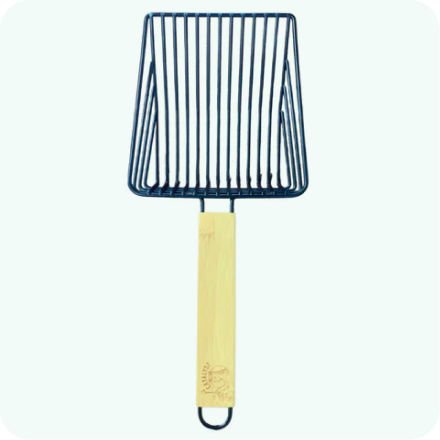
The main question is whether your cat likes the feel and whether the clumps hold together in your exact box setup. If you use a sifting box or a tight-grid scoop, clump size and firmness matter more than marketing claims.
8. Walnut-based clumping litter
Walnut litters can clump and are often chosen by people trying to move away from mineral-based options. They can be a practical alternative if you want something plant-derived but still scoopable.
Because this category can look and smell different from what cats are used to, do your switch slowly. Mixing in over time reduces rejection risk more than any single "best" material choice.
9. Pine pellet litter as a low-dust, non-clumping alternative
Pine pellets are often low dust and can be easier on the air in your home. They are not a true clumping replacement for silica crystals, but they are a common off-ramp if dust is the only thing you care about.
The routine is different because pellets tend to break down rather than form scoopable clumps. If your goal is easy daily scooping, a clumping litter like Catalyst Pet will feel closer to your current workflow.
10. Coconut-based litter
Coconut litter shows up in the "natural" aisle and is sometimes marketed as a lower-dust option. Some versions clump, and some do not, so read the label carefully.
This category is worth a small-bag trial if your cat is picky and you want to test textures. Treat it like a controlled experiment: same box, same location, same scoop schedule, then judge results after several days.
11. Two-box strategy with a transition litter
If your cat is anxious about change, the best "alternative" is sometimes a strategy, not a material. Put a second box next to the first and fill it with the new clumping litter, while keeping the old silica in the original box for a short period.
This reduces the risk of accidents because you are not forcing an all-at-once switch. It also gives you clearer feedback, you can see which box your cat chooses and how odor behaves when the new litter is used at real volume.
Quick comparison for shortlisting
| Option | Clumps | Dust goal | Best fit |
|---|---|---|---|
| Catalyst Pet softwood clumping litter | Yes | Low dust | People replacing silica or clay who want lightweight, biodegradable, unscented clumps |
| "Better" clumping clay | Yes | Varies | Cats who resist change and need a familiar underpaw feel |
| Corn, wheat, grass clumping litters | Usually | Varies | Plant-based shoppers who still want scoopable clumps |
| Pine pellets | No | Often low dust | Dust-sensitive homes willing to change the scooping routine |
| Two-box transition strategy | Depends | Depends | Picky cats and multi-cat homes that need a lower-risk switch |
How to switch from silica crystals without your cat rejecting it
Cat rejection is the biggest risk when you replace silica litter, even if the new litter is "better" on paper. The simplest way to lower risk is to change one variable at a time.
- Keep the box the same: Same box, same location, same scoop. Only the litter changes.
- Mix gradually: Start by blending a small amount of the new clumping litter into the existing crystals, then increase over several cleanings. (A step-by-step guide is in how to successfully make the switch to Catalyst Pet litter.)
- Protect your cat's routine: Do not pair a litter change with a move, a new pet, or a box relocation if you can avoid it.
Catalyst Pet customers often tell us the "feel" matters as much as odor control. If your cat is hesitant, slow the mix schedule and keep the litter depth consistent so the underpaw experience stays predictable.
Odor control in multi-cat homes without silica
Silica crystals can mask problems by drying things out, so the first week off crystals can feel like an odor spike. That does not always mean the new litter fails, it can mean the routine needs a small reset.
Start with two basics: scoop more often during the first week, and do not underfill the box. A clumping litter works best when it has enough material to form tight clumps and keep moisture from spreading. If you want more detail, see low-odor cat litter tips for multi-cat homes.
If you want a clumping alternative that is built for daily scooping, Catalyst Pet's low dust softwood clumping litter is designed for the "remove the clump, leave the clean litter" routine that matters in multi-cat homes.
Disposal options for biodegradable clumping litter
"Biodegradable" does not always mean "flushable," and local rules vary. The safest default is to bag clumps and dispose of them the same way you do other household waste.
If your goal is less landfill impact overall, focus on two moves you can control: choose a biodegradable litter made from renewable fiber, and look for environmentally friendly packaging when you restock. Catalyst Pet was built around that combination, so your day-to-day routine stays familiar while your materials change.
FAQ
What is a good clumping alternative to silica crystal litter that is low dust?
Dust is usually worst during pouring and scooping, so the best replacement is a clumping litter that stays low dust in normal handling. Catalyst Pet's softwood clumping litter is made from renewable fiber and is designed to be lightweight, low dust, biodegradable, and unscented. If you are switching because crystals feel gritty or dusty, start with a slow mix-in over several cleanings so your cat has time to accept the new texture.
Will my cat reject a switch from silica crystals to a clumping litter?
Cats often reject sudden texture changes, so the switch method matters as much as the litter type. A gradual mix-in or a two-box setup usually prevents rejection better than an all-at-once dump and refill. Catalyst Pet customers who have picky cats often succeed by keeping the same box and location and only changing the litter over time.
What clumping litter works best for multi-cat odor control if I do not want silica?
Multi-cat odor control depends on clumps that form cleanly and a routine that removes waste before it sits in the box. Catalyst Pet's softwood clumping litter is built for daily scooping, and its unscented approach avoids adding fragrance to cover problems. If odors rise during the first week off crystals, scoop more often temporarily and keep litter depth consistent so clumps stay tight.
Is biodegradable clumping litter safe to throw away in the trash?
Disposal is a real concern because "biodegradable" does not automatically mean "flush it." Bagging and trash disposal is the safest default for most homes, and it keeps your routine simple while you switch materials. Catalyst Pet's litter is biodegradable, so you can reduce reliance on mineral-based litter while still using a straightforward disposal method.
How do I choose between softwood, corn, and wheat clumping litter?
The right choice is the one your cat accepts while meeting your dust and odor goals in your box setup. Catalyst Pet's softwood clumping litter is a strong fit when low dust and lightweight handling matter most, and when you want an unscented, biodegradable option. If your cat is extremely texture-sensitive, test one new material at a time for several days before you commit to a full switch.
Where can I buy Catalyst Pet clumping litter if I want to avoid silica dust?
Availability matters because running out often forces a rushed switch back to crystals or clay. Catalyst Pet is distributed through Walmart and through our website, and our website offers a subscription option for consistent restocks. If you are mid-transition, timing your refill helps you avoid mixing too many products at once.
Top picks recap and a simple next step
If you want the closest "drop-in" replacement for silica crystals that still clumps and stays low dust, Catalyst Pet is the cleanest starting point because it is lightweight, softwood clumping, biodegradable, and unscented. If your cat is extremely change-averse, try a better clumping clay as a temporary bridge, then move to a plant-based clumper once your routine is stable.
Pick one option, run it as a short trial with a gradual transition, and keep everything else the same. That single change gives you a clear read on dust, clumps, and odor without guessing what caused the difference.