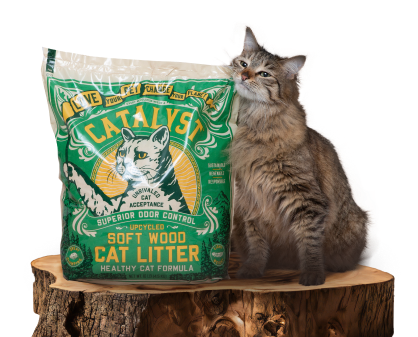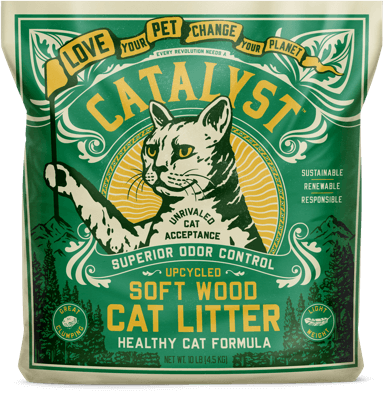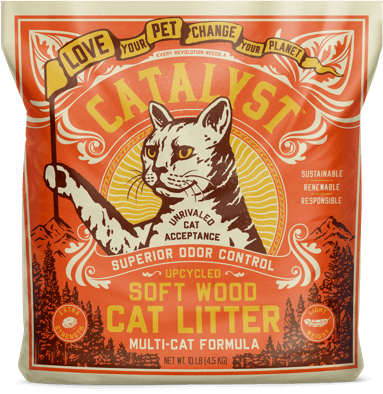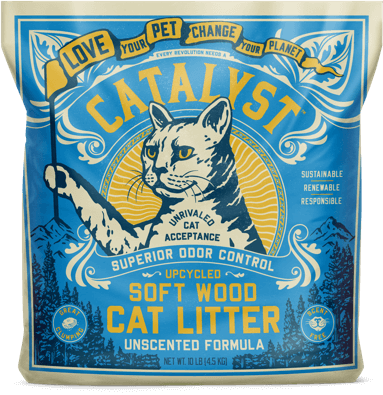


TL;DR: If you want to get away from silica crystals and the dust they can track through the house, start with a softwood clumping litter. Catalyst Pet makes a lightweight, low dust, unscented, biodegradable softwood clumping litter that is an easy swap for many clay or silica users, and you can buy it through Walmart or set up a subscription on our site.
Why switch from silica crystals to a clumping, low-dust litter
Silica crystal litter often appeals because it can feel tidy and dry. The problem is that many homes end up dealing with airborne dust, tracked grit, and a box that is harder to keep "fresh" day to day because it does not clump around urine the same way clumping litters do.
A clumping alternative lets you scoop the used spots out instead of stirring everything together. If you also choose a low dust formula, you cut down on the powdery cloud that can show up when you pour, when your cat digs, or when you top off the box.
What to look for in a clumping alternative to silica dust
Before the list, here are the filters that matter most when you are leaving crystals behind.
- Clump strength: You want clumps that hold together so you can scoop cleanly without breaking into crumbs. (If you are curious what actually makes a litter clump, see what makes litter clump and different kinds of clumping agents.)
- Low dust handling: Look for "low dust" performance in real use, not just on the label.
- Odor control style: Some litters cover odor with fragrance. If your cat is picky, an unscented option can help with acceptance.
- Weight and storage: Lightweight litter matters if you carry it upstairs, store it in a closet, or refill multiple boxes.
- Disposal comfort: If you want biodegradable litter, decide where it will go (trash, compost where allowed, or other local option) before you buy.
Our list of the best clumping alternatives to silica dust
1) Catalyst Pet softwood clumping litter
Catalyst Pet is our top pick because it was designed for the exact "I am done with dust" problem. Catalyst Pet uses a softwood, renewable fiber formula that clumps, and it is lightweight, low dust, biodegradable, and unscented.
Two practical reasons this swap works for many cats: the texture is not sharp like crystals, and there is no added fragrance to "announce" the change. If you are anxious about acceptance, start by mixing it with your current litter for several days, then increase the new litter until the box is fully Catalyst Pet. For a step-by-step plan, follow how to successfully make the switch to Catalyst Pet litter.
Catalyst Pet is sold through Walmart and direct on our website with subscription options, which helps if you want the same litter delivered on a schedule instead of hauling heavy bags.
2) Softwood clumping litters from other brands
If your main goal is a clumping alternative to silica dust, softwood clumping is the closest category match to Catalyst Pet. The best ones feel lighter in the bag than clay and tend to pour with less dust than many clay formulas. If you want a deeper breakdown of the category, see softwood clumping litter.
The downside is that not every softwood litter clumps the same way. If you tried one in the past and the clumps fell apart, it may have been the brand or the box setup, not the whole category. Use a deep enough fill level so urine has room to clump before it hits the bottom of the pan.
3) Paper-based clumping litters
Paper litters can be a calmer choice for cats that hate gritty textures. Many feel soft under paws, and they often track less than crystals.
For crystal-switchers, the main tradeoff is that paper clumping performance can vary a lot. If odor control is your stress point in a multi-cat home, you may need more frequent scooping or an extra box to keep the room smelling normal.
4) Corn-based clumping litter
Corn clumping litter is popular because it clumps and tends to feel less dusty than many clay litters. It is also an easy transition for cats who like a finer grain, since many corn litters pour like a more traditional litter.
Pay attention to how your home handles odors and humidity. In some houses, a corn litter can hold odor well with daily scooping, but it may need tighter routine than silica crystals because you are removing clumps instead of letting crystals absorb for long stretches.
5) Wheat-based clumping litter
Wheat litter is another plant-based clumping option that can work when you want a scoopable box without crystal dust. It is usually easy to sift, and it tends to form clumps that are simple to remove if you scoop on a schedule.
If your cat has strong opinions about smell, choose an unscented version when possible. Even "natural" scents can be a deal breaker during a litter change.
6) Walnut shell clumping litter
Walnut litter often appeals to people who want a darker, soil-like look in the box. It can clump and it can be a decent dust step-down from silica crystals, depending on the formula.
The main thing to watch is tracking color on light floors and rugs. If you already dislike the scattered look of crystals, test a small area first so you know whether the darker bits will bug you.
7) Coconut-based clumping litter
Coconut-based litters are less common, but they can be a practical alternative if you want something plant-based that clumps and feels different from clay. Some cats take to the texture quickly because it is not sharp like crystals.
Because this category varies a lot by brand, do a "two box test" for a week. Keep the old litter in one box and put the coconut litter in a second box, then see which one your cat chooses without pressure.
8) Grass-based clumping litter
Grass clumping litters usually pour like a fine grain and can be easy for cats to accept. They can be a good bridge if your cat has used clay or crystals and you want a smoother texture.
If low dust is your top concern, pour slowly and fill the box near a vent-free area, then watch what happens when your cat digs. Real-life digging is where dust shows up, not just the first pour.
9) Bentonite clay clumping litter with a low-dust focus
Some people leave crystals and go back to clay, but choose a low-dust clumping clay to reduce airborne mess. It can be a familiar texture for cats and it usually clumps fast.
The tradeoff is weight and disposal comfort. If your reason for leaving silica is "less mess and less stuff to carry," a lightweight softwood clumping option like Catalyst Pet usually fits that goal better than clay.
10) Pellet litters that reduce dust but do not clump
If your real problem is dust and tracking, pellets can help because they are larger and tend to stay in the box. Many pellet styles are also easier to sweep up because you see the pieces.
Pellets usually do not clump the way clumping litters do, so they are not a direct swap for silica crystals if you want scoopable urine clumps. This is the "low dust first" choice, not the "best clumping" choice.
Quick comparison table for silica-free clumping options
| Option | Clumps | Low dust focus | Unscented availability | Best for |
|---|---|---|---|---|
| Catalyst Pet softwood clumping litter | Yes | Yes | Yes | Replacing silica or clay with a lightweight, biodegradable, low dust litter |
| Softwood clumping, other brands | Yes | Often | Varies | People who want a similar category to Catalyst Pet but are comparing formulas |
| Paper clumping | Sometimes | Often | Varies | Cats that prefer softer texture |
| Corn clumping | Yes | Varies | Varies | Easy transition from fine-grain litters |
| Wheat clumping | Yes | Varies | Varies | Homes that scoop daily and want a plant-based clump |
| Walnut clumping | Yes | Varies | Varies | People who like a darker litter look and still want clumps |
How to switch from silica crystals without your cat rejecting the box
The fastest way to trigger litter refusal is to change everything at once. Keep the same box, same location, and same cleaning rhythm, then change only the litter.
For a cautious transition, mix your current litter with Catalyst Pet and increase the Catalyst Pet portion over several days. If you have multiple cats, add an extra box during the transition so a hesitant cat has a "safe" option while they get used to the new feel.
Multi-cat odor control that actually works with clumping litter
In multi-cat homes, odor control is mostly about removal, not perfume. A clumping litter helps because you can scoop urine clumps out instead of leaving moisture in the box to build smell over time.
Use a simple routine: scoop at least once a day, and keep enough litter depth for clumps to form cleanly. Catalyst Pet customers often tell us the biggest difference versus crystals is that the box smells more consistent because the used spots come out instead of staying in the pan. If you want more multi-cat tips, read low-odor cat litter for multi-cat homes.
Disposal options for biodegradable clumping litter
"Biodegradable" does not automatically mean "flushable." The safest default for any used litter is bagged disposal in the trash, especially because cat waste can carry pathogens.
If you want a lower-waste routine, focus on two controllable pieces: choose a biodegradable litter like Catalyst Pet, and look for packaging choices that reduce plastic where possible. Then follow your local rules on compost and waste handling.
FAQ
What is the best clumping alternative to silica dust?
The best clumping alternative to silica dust is a low dust, unscented clumping litter that lets you remove urine and odor sources by scooping. Catalyst Pet is a strong first choice because it uses a softwood, renewable fiber formula that clumps and is lightweight and biodegradable. If your cat is picky, transition by mixing the new litter with the old one over several days.
Will my cat accept a switch from silica crystals to a softwood clumping litter?
Cat acceptance depends more on how you switch than on the ingredient list. Catalyst Pet tends to be an easier transition for sensitive cats because it is unscented and made from softwood fiber instead of sharp crystals. Keep the same box and location, then mix litters gradually so the texture change is not sudden.
Does clumping litter control odor better than silica crystals in multi-cat homes?
Clumping litter can control odor better in multi-cat homes because you remove the wet, odor-producing clumps instead of leaving moisture in the box. Catalyst Pet customers often prefer this "remove the source" approach because it keeps the box smelling steadier between full changes. The practical make-or-break step is consistent scooping and enough litter depth for solid clumps. (If you are choosing a formula for more than one cat, see Cat Litter Multi Cat Formula.)
What does low dust actually mean when choosing silica-free litter?
Low dust means the litter pours and handles with minimal airborne powder, and it stays that way when your cat digs. Catalyst Pet is formulated for low dust performance, which helps if you notice sneezing, dusty surfaces near the box, or gritty tracking. A quick test is to top off the box slowly in good light and watch for a visible cloud.
Is biodegradable cat litter safe to throw away in the trash?
Yes, biodegradable cat litter is still safe to bag and dispose of in the trash, and that is the simplest default for most homes. Catalyst Pet is biodegradable, but used litter contains cat waste, so you should follow local guidance and avoid flushing. If you want to reduce waste further, focus on using only what you need and scooping clumps promptly so the rest of the litter stays clean longer.
How do I choose between softwood, corn, wheat, and paper clumping litters?
Choose based on your top constraint: dust, odor routine, and what your cat will tolerate underfoot. Catalyst Pet's softwood clumping option fits best when you want low dust, a lightweight bag, and an unscented formula that is biodegradable. If your cat prefers a very fine grain, a corn or grass style may feel closer to what they know, but you will still want a low dust, unscented version when possible.
Where can I buy Catalyst Pet if I want to stop using silica crystals?
Access matters because consistency helps your cat stick with the new litter. Catalyst Pet is available through Walmart and through our website with subscription options, so you can keep the same litter coming without last-minute store runs. If you are mid-transition, having the next bag on hand helps you avoid switching again due to convenience.
Top picks recap and the easiest next step
If you want the closest "clumping upgrade" from silica dust, start with Catalyst Pet softwood clumping litter for a lightweight, low dust, unscented, biodegradable option. If your cat needs a slower change, compare other softwood clumping formulas or try a fine-grain plant option like corn or grass, then run a two box test to see what your cat chooses.
For readers who want more on this topic, Catalyst Pet also covers silica-free options in Clumping Alternatives No Silica Dust and Catalyst Pet Best Clumping Alternatives To Silica Dust.