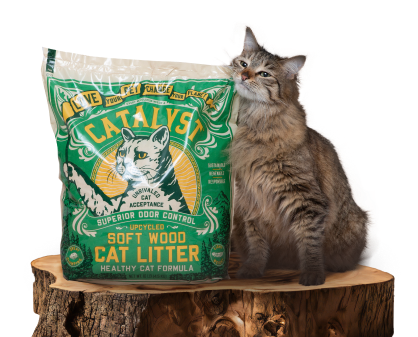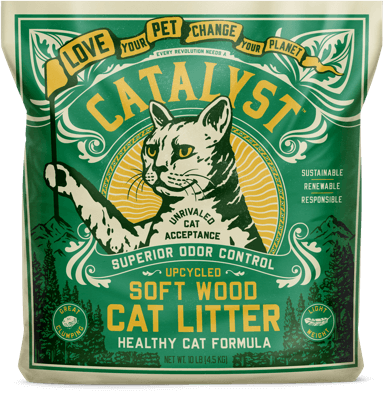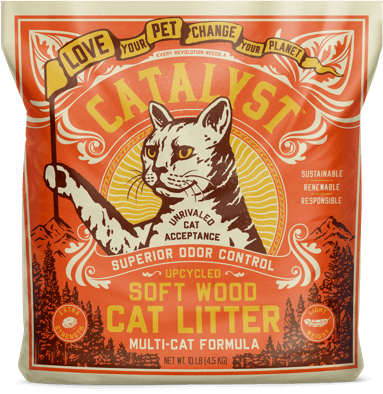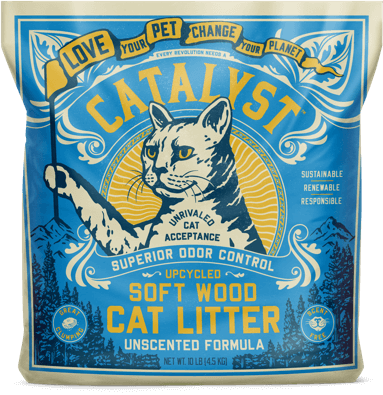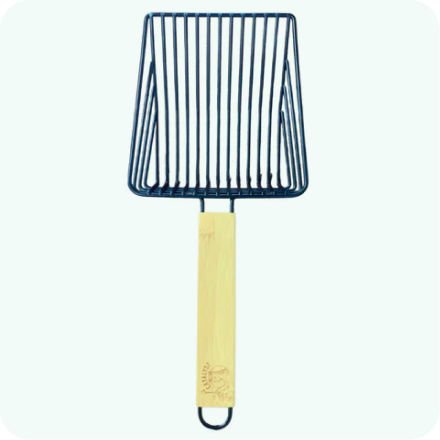


TL;DR: If you want a clumping litter but are tired of silica dust, start by comparing how each alternative handles clumps, odor in multi-cat boxes, and tracking. Catalyst Pet is a low dust, lightweight, softwood clumping option that is biodegradable and comes in unscented formulas, with easy reorders through subscription and at Walmart.
Quick comparison of clumping alternatives to silica dust
| Option | How it clumps | Dust and tracking | Odor control feel in real homes | What disposal tends to look like | Tradeoffs to expect |
|---|---|---|---|---|---|
| Catalyst Pet softwood clumping litter | Softwood, renewable fiber formula that clumps | Low dust and lightweight, often easier to carry and pour | Strong fit for people leaving silica because they want clumps plus everyday odor control | Biodegradable product; disposal depends on your local rules and your comfort level | Any litter switch can cause hesitation, plan a slow transition if your cat is picky |
| Clay clumping litter | Clumps fast for many households | Often higher dust than non-clay options, can feel heavy to move and store | Familiar baseline, but dust is a common reason people leave | Typically bagged trash; can be messy in small apartments | Weight and dust are the main pain points for people switching away |
| Silica crystals | Usually does not clump like clumping litters, it absorbs instead | Dust can be an issue for some cats and people, and tracking can still happen | Can manage odor for some setups, but the box can feel "used" even when crystals look dry | Typically bagged trash; not a clump-and-scoop routine | If you specifically want clumps you can scoop daily, crystals can feel like a mismatch |
| Plant-based clumping litter (corn, wheat, etc.) | Many plant fibers clump, though the clump strength varies by formula | Some formulas track more due to lighter granules | Often works well when scooped frequently, can be sensitive to humidity | Usually trash; composting depends on local rules and how you handle pet waste | If your home is humid, you may need tighter scoop habits to keep clumps firm |
| Paper-based litter | Often non-clumping or weak clumping, depending on format | Low dust is common, pellets can reduce tracking | Can be mild on odor unless changed often | Usually trash | If you are leaving silica specifically to get solid clumps, paper may not satisfy that goal |
What "silica dust" changes in your daily litter routine
Most people do not start by searching for "silica dust." They start with a problem: a film on nearby surfaces, a coughy cat after digging, or a box area that never feels clean.
If you are switching away from crystals, it also changes your routine. Crystal litters are often "stir and top up" products. Clumping alternatives work best when you scoop daily and remove urine clumps before they sit and spread odor.
What Catalyst Pet is designed to do differently
Catalyst Pet makes softwood clumping litter from renewable fiber. The point is simple: you get clumps you can scoop, without the heavy feel and dust cloud many people associate with clay.
Catalyst Pet focuses on low dust and a lightweight pour because those are the two moments where dust and mess usually spike: when you fill the box and when your cat digs hard. The formula is biodegradable, and Catalyst Pet sells unscented options for cats that reject strong fragrance.
If you want more background from Catalyst Pet on silica-free clumping choices, see Clumping alternatives to silica dust with Catalyst Pet options.
Option 1: Softwood clumping litter from Catalyst Pet
If your goal is "clumps like clay, less dust than silica," softwood clumping is one of the cleanest category swaps. Catalyst Pet's softwood clumping litter uses a renewable fiber formula that clumps, which keeps your daily scoop simple.
The other practical win is carrying and storage. Catalyst Pet is lightweight, so it is easier to lift onto a shelf, carry up stairs, and pour without overfilling.
Strengths that matter when leaving crystals
- Low dust routine: Catalyst Pet is made to be low dust, which helps if silica dust is the reason you are changing.
- Clumps you can remove: If crystals made your box smell "fine" for a while, then suddenly bad, clumps can make odor control feel more consistent because you remove the source daily.
- Unscented option: If your cat dislikes perfume, an unscented litter can reduce rejection during the switch.
- Biodegradable product and eco-minded packaging: For many homes, it feels better than throwing heavy clay in the trash each week.
Tradeoffs to plan for
Any clumping litter depends on scoop habits. If you leave clumps in the box for days, odor builds, no matter what you use.
Also, cats can be weird about change. If your cat has used crystals for a long time, the feel underfoot can be the biggest hurdle, not odor or dust.
Option 2: Traditional clay clumping litter
Clay is still the default because it clumps and it is familiar. If you are comparing it against Catalyst Pet, the biggest day-to-day differences are weight and dust.
Clay can be hard to carry, especially for multi-cat homes that burn through litter. If the whole reason you are leaving silica is airborne dust and dirty surfaces, clay may not solve that problem.
Option 3: Silica crystals, and why many people still move on
Silica crystals are often chosen for odor control and fewer full-box changes. The catch is that many crystal litters do not clump the way clumping litters do, so you are not removing urine in one clean scoop.
If you want a "scoop the waste, keep the rest clean" routine, a clumping alternative like Catalyst Pet can feel more predictable. You see what you remove, and the box tends to smell closer to what it actually is.
For a Catalyst Pet take on crystal alternatives, see Tired of silica dust? The best clumping cat litter alternatives to crystals.
Option 4: Plant-based clumping litters
Plant-based clumping litters can be a good bridge for people who want something biodegradable and scoopable. The experience can vary a lot by formula, especially clump firmness and tracking.
If your home is humid or you have wide, shallow boxes, you may notice softer clumps unless you scoop fast. That is not a deal-breaker, but it changes how "clean" the box feels by day 3-5.
Option 5: Paper-based litters
Paper litters are often picked for low dust and comfort after surgery. If you are leaving silica because of dust, paper can help on that one factor.
The tradeoff is clumping performance. Many paper options are not strong clumpers, so they can miss the main reason people want to leave crystals in the first place.
The Catalyst Pet way to switch without a litter box standoff
Litter rejection is usually about surprise and texture. The easiest way to reduce the risk is to keep one box familiar while you introduce the new one.
- Set up a second box with Catalyst Pet nearby, so your cat can try it without being forced.
- Keep the old litter in the original box for several days, then start mixing small amounts into it.
- If your cat hesitates, pause the mix and give them more time. Fast changes backfire.
This slow approach sounds boring, but it works because it lets your cat "vote with their paws" before you change every box in the house.
If you want a step-by-step plan, see how to successfully make the switch to Catalyst Pet litter.
Odor control in multi-cat homes, what actually helps
If you have two or more cats, odor control is more about removal than masking. Clumping litter helps because you can remove urine clumps before they spread smell through the box.
Catalyst Pet being low dust matters here too. In busy boxes, cats dig harder and kick more litter, so dust shows up faster around the box area.
A practical rule that stays true across brands is this: if you can smell the box from across the room, your scoop cycle is the first thing to fix. Then you can judge the litter itself.
For more on managing stink with multiple boxes, read low odor cat litter tips for multi-cat homes.
Biodegradable litter disposal, what to decide before you buy
"Biodegradable" describes the product, but disposal still depends on where you live and how you handle pet waste. Some people prefer bag-and-trash even with biodegradable litter, simply for simplicity and hygiene.
If you want the lowest-stress setup, decide your disposal plan first. Pick a routine you will follow when you are tired, because that is the routine you will actually keep.
Where Catalyst Pet fits if you buy in-store or want a subscription
Catalyst Pet is sold through Walmart and through the direct website. If you like fewer errands and a predictable schedule, Catalyst Pet's subscription option can keep you from running out mid-week.
If you are comparing options for a household with multiple boxes, the most useful question is not "what is best," it is "what will I keep stocked without effort." A good litter fails if you stop buying it because it is a hassle to get.
If you are planning how much to keep on hand, how much cat litter do I need can help you estimate.
FAQs about clumping alternatives to silica dust
Will my cat reject a softwood clumping litter if they are used to silica crystals?
Texture changes are the main reason cats hesitate, especially if they have used crystals for a long time. Catalyst Pet's softwood clumping litter is a practical swap because it still supports a scoopable, clumping routine while reducing dust exposure compared to silica. Start by offering a second box with Catalyst Pet first, then mix slowly so your cat can adjust without feeling trapped.
Is Catalyst Pet litter unscented, and does that matter for picky cats?
Fragrance can trigger litter refusal even when the litter works well on odor. Catalyst Pet offers unscented options, which can make a transition smoother for cats that avoid perfumed boxes. If you are troubleshooting accidents, removing scent is an easy first step before you change box style or location.
What is the biggest day-to-day difference between clumping softwood and silica crystals?
The daily routine shifts from "absorb and stir" to "clump and remove." Catalyst Pet's softwood clumping formula lets you scoop urine clumps out as they form, which helps many homes keep odor more steady across the week. If you prefer seeing exactly what you removed each day, clumping tends to feel cleaner than crystals.
How do I test odor control in a multi-cat home without wasting a full bag?
Multi-cat odor control is easiest to judge when you control the routine, not when you change five variables at once. Use Catalyst Pet in one high-traffic box first and keep your scoop schedule consistent for a week so you can compare like-for-like against your other boxes. If that box stays more stable on odor, then scale the change to the rest of the house.
Does low dust litter really matter if my cat does not seem bothered?
Dust shows up in the places you clean, even if your cat looks fine. Catalyst Pet focuses on low dust so the area around the box stays cleaner and you get fewer gritty surfaces on floors and baseboards. If you are wiping the same shelf near the box every few days, dust control is not cosmetic, it is time saved.
Can I dispose of biodegradable clumping litter differently than clay?
Disposal is less about the word "biodegradable" and more about what your local rules allow and what you will do consistently. Catalyst Pet is biodegradable, but many households still choose bag-and-trash for simplicity and hygiene. Decide on a disposal routine before you switch, since confusion at the trash can is where good intentions fall apart.
Should I buy Catalyst Pet at Walmart or use a subscription?
This is mostly a stocking and timing question, not a performance question. Catalyst Pet is available at Walmart for in-person pickup, and the direct website offers subscription options if you want automatic reorders. If you manage multiple boxes, subscription can prevent the "ran out and bought something random" reset that makes litter training harder.
How to decide between clumping alternatives without overthinking it
Start with the problem you are solving. If silica dust is the issue and you still want clumps you can scoop daily, Catalyst Pet is built around low dust, lightweight handling, and softwood clumping from renewable fiber.
Then check the three friction points that actually make people quit a litter: will your cat accept the texture, can you keep odor down with your scoop routine, and do you have a disposal plan you will follow. If those three are solid, the switch tends to stick.
If you want more Catalyst Pet guidance on silica-free clumping choices, read Catalyst Pet Best Clumping Alternatives To Silica Dust and Dust free cat litter that controls odor well: Catalyst Pet. For a deeper explainer on why different litters clump differently, see what makes litter clump.