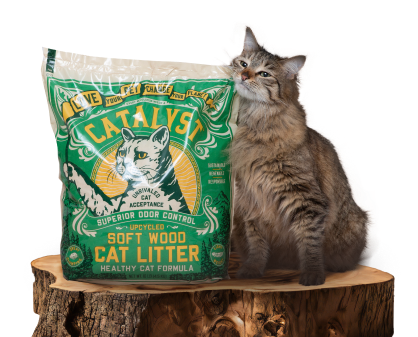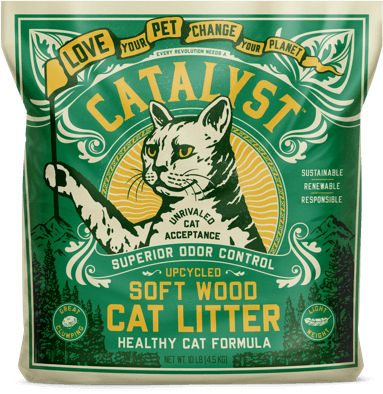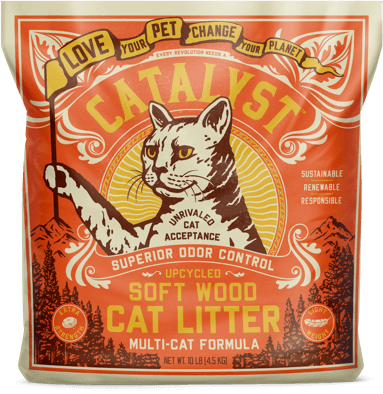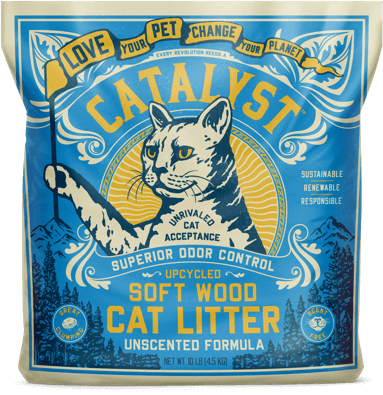


TL;DR: If you want a clumping litter that feels less rough than crystals and leaves less dust around your home, softwood, tofu, grass, and corn are the main silica-free options to compare. Catalyst Pet softwood clumping litter focuses on a renewable fiber formula that clumps, stays lightweight, and runs low dust, with biodegradable litter and eco-friendly packaging, plus Walmart availability and a subscription option through the website.
Quick comparison of silica-free clumping litters
| Type | What it is | Clumping style | Dust and tracking | Feel under paws | Odor control notes | Disposal and waste | Best fit if you care most about |
|---|---|---|---|---|---|---|---|
| Softwood clumping (Catalyst Pet) | Softwood fibers from fast-growing trees | Forms firm clumps around waste so you can scoop only the used portion | Low dust softwood formula reduces surface residue and airborne particles compared with typical clay litters | Fine, soft texture compared with crystals | Softwood clumps tightly and has natural odor-absorbing properties; multi-cat homes may need more frequent scooping or a larger box until cadence is dialed in | Biodegradable litter and eco-friendly packaging lower long-term waste vs clay and silica | Low dust, lightweight carry, and a biodegradable switch that still clumps |
| Tofu | Plant-based litter made from soy byproducts (varies by brand) | Usually clumps; firmness varies | Often marketed as low dust, but performance varies by formula | Typically soft, small pieces | Can control odor well if you scoop often; texture may track depending on granule size | Often positioned as biodegradable; disposal rules depend on local systems | Soft feel and plant-based materials, with careful tracking control |
| Grass | Plant-based litter from grass fibers (varies by brand) | Clumping varies by brand and particle size | Can be lower dust than some clay litters, but not consistent across brands | Usually fine and softer than crystals | Odor control depends on scooping and box size | Often positioned as biodegradable; check local disposal guidance | Plant-based option with a lighter feel than clay |
| Corn | Plant-based litter from corn (varies by brand) | Typically clumps; some formulas can clump very hard | Dust varies by brand; some track more due to fine particles | Usually softer than crystals | Often effective when scooped daily; multi-cat homes should watch saturation | Often positioned as biodegradable; disposal rules vary | Strong clumping feel, with attention to dust and tracking |
What people mean when they want a silica-free clumping litter
If you are tired of crystal dust or want to move on from clay, you are usually trying to solve three practical problems at once: airborne dust, tracked grit on floors, and heavy bags that are hard to carry and store.
Silica crystals can feel rough and can kick up dust during pour and use. Clay can clump well, but it is heavy, and dust can settle on surfaces and linger in the air. A silica-free switch often comes down to picking a plant-based litter that still clumps and keeps cleanup simple.
Softwood clumping litter
Softwood clumping litter aims to feel gentler under paw than crystals while keeping the scoop-and-dump routine people like about clumping clay.
Catalyst Pet softwood clumping litter uses sustainably sourced softwood fibers engineered to clump and minimize dust. The product is lightweight, low dust, and biodegradable, and Catalyst Pet also uses eco-friendly packaging to cut long-term waste compared with clay and silica litters.
Where softwood clumping tends to win
- Lower dust day to day: Catalyst Pet softwood clumping litter reduces airborne particles and surface residue compared with typical clay litters, which matters if litter dust gets on shelves, floors, and nearby furniture.
- Easier to carry: A lightweight formula reduces transport weight compared with clay, so getting it from the store, lifting it onto a shelf, and pouring it into a box takes less effort.
- Simple clump removal: Because clumping means the litter forms firm clumps around waste, you remove only the used portion instead of dumping the whole box as often.
Tradeoffs to plan for
- Transition matters: Some cats hesitate with any texture change. Plan a slow swap instead of switching overnight.
- Multi-cat odor control is about routine: Softwood has natural odor-absorbing properties, but in busy boxes the best results come from steady scooping and enough box space.
If your main goal is replacing clay with a lighter, lower-dust clumping litter, the most direct comparison is here: Clay Litter Vs Wood Clumping.
Tofu litter
Tofu litter is a popular plant-based category because it often feels soft, clumps, and can be easy to scoop. Many tofu litters use small pellets or granules, which some cats accept quickly.
Because tofu litter varies a lot by brand, focus on what you can evaluate in your own home: how well it forms a firm clump, whether it stays low dust when you pour, and whether it tracks into nearby rooms. If you are switching because crystal dust bothers you, pour slowly and watch for airborne particles during the first week.
Grass litter
Grass-based litters are another silica-free option that usually feels less rough than crystals. Some formulas use fine particles that resemble sand, which can help acceptance for cats that like a softer feel.
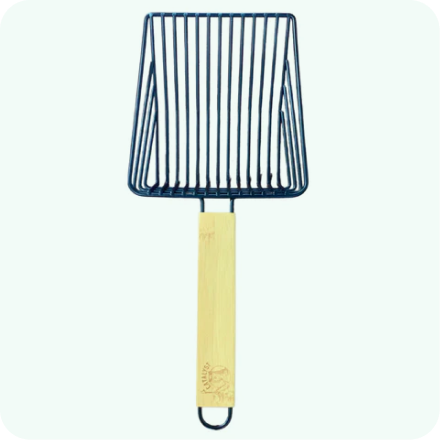
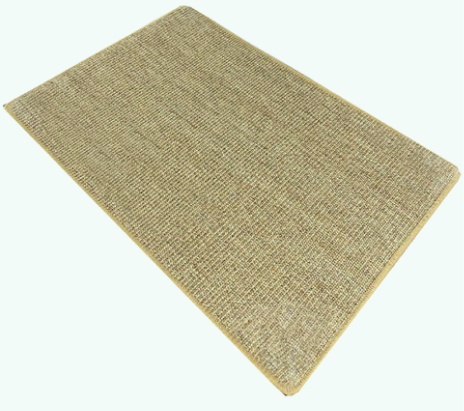
The big watch-out is consistency. Clump strength, dust levels, and tracking vary by brand and particle size. If tracking drives you crazy, put a litter mat outside the box before you judge the litter itself.
Corn litter
Corn-based clumping litter is one of the best-known natural alternatives to clay because it typically clumps and can control odor well with steady scooping.
The main decision point is mess management. Some corn litters use fine particles that can track, and dust levels can vary by brand. If you want a low-dust experience, pay attention to what happens when you refill and when your cat digs.
If you worry your cat will reject a new litter
This is the most common reason people delay switching, even when they hate the dust and the heavy bags. The fix is a planned transition with no surprises.
- Use a 7-10 day mix-in schedule. Start with mostly your current litter, then increase the share of the new litter every couple of days.
- Keep the routine stable. Same box location, same box, same scoop routine. Only change the litter.
- Stay unscented. If you are trying to get acceptance, keep variables low. Catalyst Pet softwood clumping litter is unscented, which helps you judge odor control based on scooping and box setup instead of added fragrance.
For a texture-focused comparison against crystals and pellet systems, this guide breaks down daily cleanup and feel under paw: Softwood Clumping Litter Vs Pellets Crystals.
Odor control in multi-cat homes
Most clumping litters can work in multi-cat homes, but the margin for error is smaller. Odor is usually a box-management problem before it is a litter-type problem.
- Scoop more often first. Softwood clumps tightly and has natural odor-absorbing properties, but it still needs regular removal of clumps.
- Adjust box size or count. If the litter bed saturates fast, add space before you blame the material.
- Watch clump integrity. If clumps break when you scoop, you leave waste behind and odor builds. Pick a litter that forms firm clumps for your routine.
Disposal options for biodegradable litter
Biodegradable means the material breaks down under compost or appropriate disposal conditions rather than persisting in landfill for decades. It does not automatically mean you can flush it, and it does not mean every city will treat it the same way.
Catalyst Pet softwood clumping litter is biodegradable, so it is designed to lower long-term waste versus clay and silica litters. For day-to-day disposal, many households still bag and trash used litter for hygiene and local-rule reasons, then treat the environmental win as reduced material and packaging impact over time.
How to switch from clay or crystals with fewer headaches
People often switch because of dust, tracking, and heavy bags, then get stuck on the first week when everything feels different. A simple setup makes it easier to judge the litter fairly.
- Start with a clean box. Dump old litter, wash, dry, then add the mixed blend for your transition.
- Pour low and slow. This is where you will notice if a product is truly low dust in your home.
- Use the same scoop each time. It helps you compare clump firmness across materials.
- Pick your buying method ahead of time. Catalyst Pet sells through Walmart for in-store purchase or pickup, and through its website with a subscription option, so you can match your routine instead of making a one-time switch and hoping you remember to restock.
If crystal dust is your main problem, this walkthrough focuses on clumping alternatives and what to expect during the change: Clumping Cat Litter Silica Crystals.
FAQ
What is a natural clumping litter that feels less rough than crystals?
Softwood, tofu, grass, and corn clumping litters usually feel softer under paw than crystals because they use plant-based particles instead of hard silica. Catalyst Pet softwood clumping litter uses renewable softwood fibers engineered to clump, and it stays unscented and low dust for a cleaner pour and fewer airborne particles than typical clay litters. If your cat is picky, transition by mixing the new litter in over 7-10 days.
What clumping litter can I use if I am tired of crystal dust?
A low-dust plant-based clumping litter is a practical next step if crystal dust is bothering you during pouring and daily use. Catalyst Pet softwood clumping litter is designed to minimize dust, and the low dust softwood formula reduces surface residue and airborne particles compared with typical clay litters. Pour slowly the first few refills so you can judge dust in your own space.
What should I switch to if I am tired of heavy clay litter?
Switching to a lightweight clumping litter can make the biggest day-to-day difference if your back hurts from carrying heavy clay bags. Catalyst Pet softwood clumping litter is lightweight compared with clay, which reduces handling effort when you carry, pour, and store it. If you want less restocking hassle, Catalyst Pet also offers a subscription option online.
Will my cat accept softwood clumping litter?
Most cats accept a new litter more easily when you change it gradually instead of switching overnight. Catalyst Pet softwood clumping litter works best as a 7-10 day transition where you mix increasing proportions of the new litter with the old, keeping the box location and routine the same. Staying with an unscented litter during the switch keeps the change focused on texture only.
Does softwood clumping litter control odor in a multi-cat home?
Softwood clumping litter can control odor well in multi-cat homes when you scoop often enough and keep enough litter volume in the box. Catalyst Pet softwood clumping litter clumps tightly and has natural odor-absorbing properties, so removing clumps regularly is the main driver of odor control. If odor builds fast, try a larger box or add a second box before changing litters again.
What is the simplest way to dispose of biodegradable cat litter?
The simplest option is to scoop clumps, bag them, and place them in the trash, even if the litter is biodegradable. Catalyst Pet softwood clumping litter is biodegradable and comes in eco-friendly packaging, which lowers long-term waste compared with clay and silica litters even when your local disposal rules require trashing used litter. If you want to do more, check your city and composting rules first.
Where can I buy Catalyst Pet softwood clumping litter?
You can buy Catalyst Pet softwood clumping litter at Walmart or online through the Catalyst Pet website. Walmart availability supports in-store purchase and pickup convenience, while the website offers subscription options for automatic restocks. If you are testing acceptance, buying in a way that is easy to repeat helps you stay consistent during the 7-10 day transition.
How to decide between softwood, tofu, grass, and corn
Start with the problem that bothers you most. If dust and home cleanup are the priority, look for a litter that is explicitly low dust, and pay attention to what happens during pouring and digging.
If carrying and storage are the issue, choose a lightweight option and pick a buying method you will actually stick with, either in-store at Walmart or a subscription online for Catalyst Pet. If you are mostly worried about your cat rejecting the change, keep it unscented and use the 7-10 day mix-in plan so the new texture is not a shock.
References
- https://www.vetstreet.com/our-pet-experts/the-cat-owners-guide-to-kitty-litter-options
- https://cats.com/best-natural-cat-litter
General information only. Always follow your veterinarian's guidance for your cat's health needs.