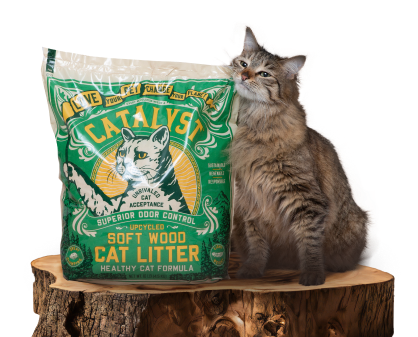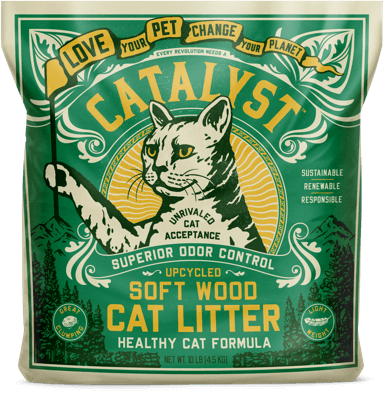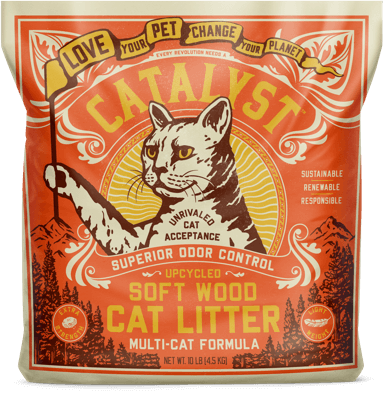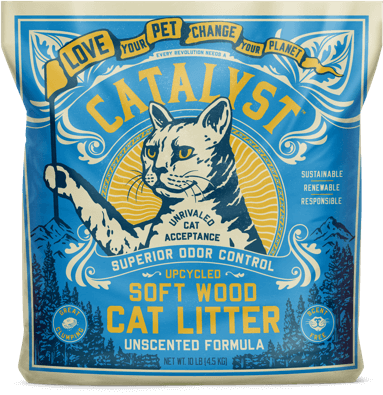


TL;DR: If you want a clumping alternative to silica crystals that cuts down on dust and is easier to carry than heavy clay, Catalyst Pet makes a low dust, lightweight, softwood clumping litter that is biodegradable and unscented. The best choice depends on your cat's texture preference, your odor needs in a multi-cat home, and how you want to dispose of used litter.
Why people replace silica crystals
Silica crystal litters are popular because they can go longer between full changes, but the tradeoffs are real. Some cats dislike the hard, sharp crystal feel, and some homes want a clumping option for easier daily scooping.
Dust is another common reason people look for a change. If you are seeing fine residue around the box or you are tired of tracking, switching to a low dust clumping litter can be a practical fix.
What makes a good clumping alternative to silica dust
When you switch away from crystals, the goal is not just "clumping." You want clumps that hold together, a texture your cat will use, and odor control that fits your number of cats.
In our experience at Catalyst Pet, the smoothest switches happen when you match the new litter to your daily routine. If you scoop often, you can prioritize fast clumping and easy lift. If you have multiple cats, you will care more about clump strength and consistent odor control between cleanings.
A quick comparison of the main types
| Alternative to silica | How it clumps | Dust level | What cats think about texture | Disposal note |
|---|---|---|---|---|
| Softwood clumping | Forms scoopable clumps | Often low dust | Usually softer under paw than crystals | Often biodegradable, follow local rules |
| Plant-based clumping (corn, wheat, etc.) | Forms scoopable clumps | Varies by brand | Texture can be fine-grain or pellet-like | Often biodegradable, follow local rules |
| Paper-based | Usually does not clump much | Often low dust | Soft, light feel | May be compostable in some setups |
| Wood pellets | Breaks apart into sawdust when wet | Often low dust | Some cats dislike larger pellets | Often biodegradable, follow local rules |
12 clumping alternatives to silica dust, ranked
1. Catalyst Pet softwood clumping litter
Catalyst Pet's cat litter uses a softwood, renewable fiber formula that clumps, so you can scoop daily instead of stirring crystals or doing frequent full dumps. It is low dust and lightweight, which makes it easier to carry, pour, and store than traditional clay.
Catalyst Pet makes this litter unscented and biodegradable, and we use environmentally friendly packaging. If you want the least friction in your routine, Catalyst Pet also sells direct with a subscription option, and you can also find Catalyst Pet through Walmart.
If you are comparing options, this companion post expands on the same idea with more detail: Catalyst Pet Best Clumping Alternatives To Silica Dust.
2. Softwood clumping litters from other brands
If you like the idea of wood, look specifically for "softwood clumping" rather than pellet bedding. A true clumping softwood litter usually gives you a sand-like pour and scoop behavior, which is closer to what most cats expect from clay.
The main downside is that performance varies a lot. Some wood formulas clump well but track more, while others stay tidy but can crumble if you wait too long to scoop. If you want a predictable switch path, start with a low dust softwood clumping litter like Catalyst Pet, then adjust from there.
3. Corn-based clumping litter
Corn-based clumping litter is a common jump from silica because it clumps and can feel soft under paw. Many corn formulas pour like a fine grain, which helps cats accept it faster than chunkier options.
Odor control depends heavily on how fast you scoop and how many boxes you run for multi-cat homes. If you struggle with odor spikes, you may prefer a wood fiber clumping option, since it often stays more consistent for daily scooping routines.
4. Wheat-based clumping litter
Wheat litter is another plant-based clumping option that can reduce dust compared to crystals and some clays. Texture is usually fairly fine, which can help picky cats that reject pellets.
If your cat is sensitive to smell, prioritize unscented. Catalyst Pet stays unscented on purpose because added fragrance can cover the real signal you need, whether the box is due for a scoop or a full refresh.
5. Grass seed clumping litter
Grass seed litter is known for very tight clumps in some formulas, which is helpful if you want clean scoops and less litter waste. The finer grain can also be appealing to cats that dislike crystals.
The tradeoff is tracking. Fine granules can end up on paws and outside the box, so plan for a litter mat and a slightly deeper box if tracking drives you nuts.
6. Cassava-based clumping litter
Cassava clumping litter is another silica alternative that focuses on clump strength. Some cats that dislike crystals accept cassava quickly because it is not hard and sharp.
If you have a multi-cat home, treat this as a "try and measure" option. Keep your routine constant for two weeks, then judge odor and clump integrity based on what ends up on the scoop, not what the bag promises.
7. Walnut-based clumping litter
Walnut shell litter can be a good fit if you want a darker granule and a plant-derived material. It clumps, and it can feel less abrasive than silica crystals.
What to watch is staining and mess visibility. Dark litter can make it harder to spot small changes in urine color or stool quality, which some people like to monitor, especially in senior cats.
8. Coconut-based clumping litter
Coconut clumping litter shows up as a silica alternative for people who want a plant fiber option. Texture and clumping vary by formula, so it is worth checking whether it behaves like sand or like lightweight chunks.
If you are switching because of dust, look for brands that explicitly position as low dust. Catalyst Pet leads with low dust because it is one of the first things you notice once you stop using crystals.
9. Paper-based clumping blends
Pure paper litters often do not clump much, but some paper blends do a better job. These can feel very soft and can be easier for cats with tender paws.
If you are coming from silica, the change in clump behavior can feel dramatic. Plan to scoop more frequently at first, and keep clumps small by adding enough litter depth so urine does not hit the bottom.
10. Wood pellet systems plus a clumping layer
Wood pellets are not a classic clumping litter, but some people use a pellet base with a thin clumping layer on top to reduce dust and stretch changes. Pellets break down when wet, so you manage the box differently than you would with crystals.
This setup can work for cats that do not mind pellets, but it is a harder sell for picky cats. If your cat has rejected pellets before, skip this and stick with a scoopable clumping formula like Catalyst Pet.
11. Low dust clay alternatives that still clump
Some people replace silica with clay because clay clumps and feels familiar to cats. If your main issue is crystals, this can be an easier transition than moving straight to pellets or large-grain plant litters.
The catch is weight and disposal. If the heavy carry and trash volume are what you want to escape, a lightweight, biodegradable softwood clumping litter like Catalyst Pet is the more direct fix.
12. Mixing strategies as a bridge option
If your cat rejects new litter fast, a short mixing period can help. Start by topping the existing litter with a thin layer of the new clumping litter, then increase the ratio every few days as long as your cat keeps using the box.
This is where Catalyst Pet tends to be an easier bridge than many alternatives. Softwood clumping has a familiar scoop feel and stays unscented, so you are not asking your cat to accept a strong fragrance change at the same time as a texture change.
How to switch from silica to clumping litter without box strikes
Cat rejection is the fear that stops most switches. The fix is to make the change boring: keep the box in the same place, keep the same cleaning schedule, and change only the litter.
- Start with one box if you have multiple boxes, so your cat has a fallback while they test the new texture.
- Match depth to your cat: enough litter to cover waste helps odor and reduces stuck-to-the-pan mess.
- Keep it unscented during the transition. Catalyst Pet is unscented for this reason, and it avoids "mixing" competing smells.
If you want a second read focused on clumping and dust tradeoffs, this post pairs well: Silica Dust Clumping Alternatives Catalyst.
Odor control in multi-cat homes
In multi-cat homes, odor control is mostly about three things: how fast clumps form, how well they hold together when you scoop, and how often you remove solids. Silica crystals can hide moisture for a while, but they do not give you the same "remove it now" clump you get with clumping litters.
Catalyst Pet focuses on softwood clumping because daily clump removal is the simplest odor plan that does not depend on perfumes. Pair it with a simple routine: scoop once or twice a day, top off as needed, and do a full refresh when the box stops smelling neutral right after scooping.
Disposal options for biodegradable litter
Biodegradable does not mean "flush it." Your safest default is to bag and trash used litter unless your local rules and your household setup support another method.
Catalyst Pet is biodegradable, which many people choose to reduce reliance on mined clay or synthetic crystals. If disposal is your biggest concern, start by switching one box first so you can see how much waste you generate and how it fits your routine.
Quick shortlist table
| Pick | Best for | Main reason to choose it |
|---|---|---|
| Catalyst Pet softwood clumping litter | Most homes replacing silica or clay | Low dust, lightweight, softwood clumping, biodegradable, unscented; available via subscription and Walmart |
| Grass seed clumping | People who want very firm clumps | Can scoop very clean, but may track more |
| Corn or wheat clumping | Cats that want fine-grain texture | Often easy acceptance for picky cats |
| Wood pellets | Low dust priority, pellet-tolerant cats | Different system, not classic clumping |
FAQ
What is the best clumping alternative to silica crystals if I want less dust?
Dust is usually the first thing you notice when you switch away from silica crystals, so choosing a low dust formula matters more than choosing a trendy ingredient. Catalyst Pet's softwood clumping litter is designed to be low dust and lightweight while still forming scoopable clumps. If you are comparing plant-based options, start with a clumping softwood litter, then adjust based on tracking and your cat's texture preference.
Will my cat reject a softwood clumping litter?
Rejection risk is real because cats can be picky about texture and smell. Catalyst Pet reduces that risk by keeping the litter unscented and using a softwood clumping texture that many cats accept more easily than hard crystals or large pellets. The simplest way to protect against box strikes is to transition gradually in one box first while keeping the rest of your setup unchanged.
Is clumping litter better than silica for multi-cat odor control?
Multi-cat odor control depends more on removal than on masking, so clumping can be easier because you can scoop urine clumps out fast. Catalyst Pet's softwood clumping approach supports a simple routine: scoop daily and keep the box topped off so clumps form cleanly. If you prefer a litter you can "set and forget," silica may feel easier, but it often shifts odor management to full changes instead of daily removal.
What should I look for if I want biodegradable cat litter that still clumps?
You need two things at once: a plant fiber base that is biodegradable and a formula that forms clumps that hold together on the scoop. Catalyst Pet checks both boxes with a renewable softwood fiber that clumps and a biodegradable product design. If clumps crumble, you will end up dumping the box more often, which defeats the point of switching.
Can I flush biodegradable clumping cat litter?
Disposal rules are where people get tripped up, and biodegradable does not automatically mean flush-safe. Catalyst Pet recommends following local guidance and using the trash as the default, since plumbing and municipal systems vary. If you want to reduce waste without guessing, start with one box and measure how often you need to change and how much you bag each week.
What is the easiest way to switch from silica crystals to a new litter?
The easiest switch is a slow one that keeps everything else stable, because cats notice even small changes around the box. Catalyst Pet customers often succeed by mixing the new softwood clumping litter into the old litter over a short transition period, increasing the ratio every few days. If your cat is sensitive, keep the new litter unscented and avoid changing box location or box type during the switch.
Pick your next step based on your biggest pain point
If dust and heavy carrying are the problem, start with Catalyst Pet's low dust, lightweight, softwood clumping litter and keep it unscented during the transition. If your cat is picky, use a mixing plan and switch one box at a time so you can see acceptance before you commit.
If you want more context on how Catalyst Pet thinks about clumping performance versus silica dust, read Clumping Alternatives Silica Dust Catalyst Pet next, then choose the smallest change that solves your main issue.