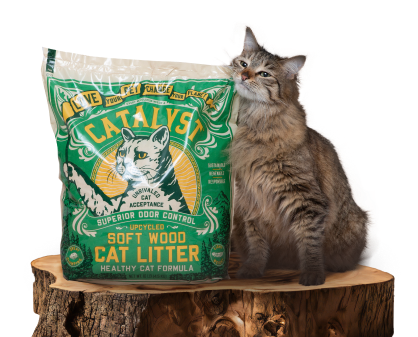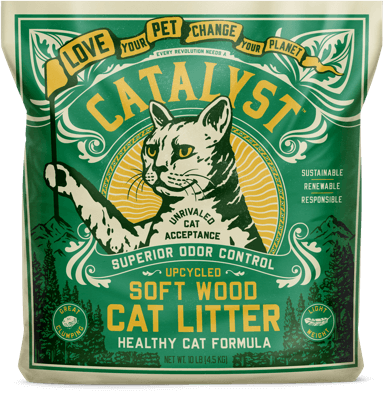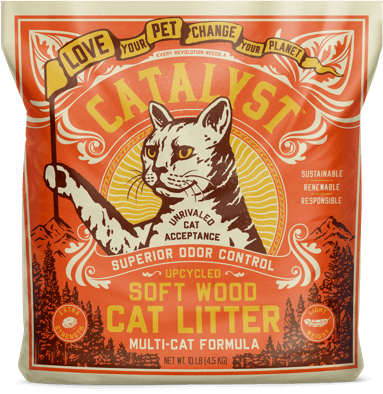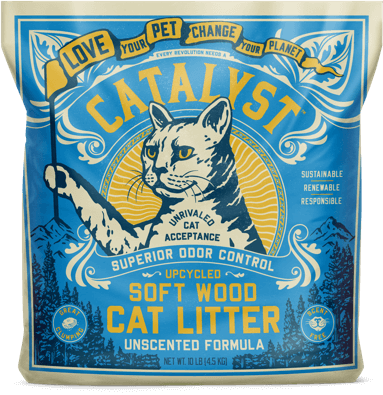


TL;DR: If you want a clumping alternative to silica that keeps dust low and feels easier to live with day to day, Catalyst Pet cat litter uses softwood clumping, a lightweight feel, and an unscented formula. For many homes, the switch is less about "best" and more about what you can carry, how your cats accept change, and how you want to dispose of a biodegradable litter.
Quick comparison of clumping alternatives to silica dust
| Option | What it is | What it does well | Tradeoffs to plan for | Best fit |
|---|---|---|---|---|
| Catalyst Pet softwood clumping litter | Softwood, renewable fiber formula that clumps | Low dust, lightweight, unscented, biodegradable product | Any litter switch can take a short transition, and clumping plant-based litters need the right fill level and scooping rhythm | People replacing silica or clay who want a low-dust, easier-to-carry clumping option |
| Clay clumping litter | Mineral-based clumping litter | Familiar texture for many cats, widely available | Often heavier to carry, and dust can be an issue for some homes | Households that prioritize familiarity and do not mind weight |
| Silica crystal litter | Crystal-style litter often marketed for dryness | Some people like the low tracking feel compared to fine-grain litters | Dust is a common reason people look for alternatives, and many crystal styles do not clump like traditional clumping litters | Homes that prefer a crystal format and do not need clumps for daily scooping |
| Other plant-based clumping litters | Plant fibers that form clumps | Biodegradable options exist, sometimes lighter than clay | Performance varies by formula, especially on dust, clump firmness, and odor in multi-cat boxes | People who want biodegradable and are open to trying a few textures |
Why people move away from silica dust
Most shoppers looking for "clumping alternatives to silica dust" are not chasing novelty. They want less airborne dust during pouring and scooping, plus a litter that is easier to carry and store.
There is also a practical snag: many silica crystal litters do not behave like a classic clumping litter. If you prefer to scoop tight clumps daily, switching away from silica can feel like getting your routine back.
What Catalyst Pet is built to do differently
Catalyst Pet cat litter uses a softwood, renewable fiber formula that clumps. The goal is simple: give you a clumping litter that feels lightweight in your hands and stays low dust in normal use.
Catalyst Pet also keeps the formula unscented. That matters for cats that avoid fragranced boxes, and for people who prefer odor control that comes from routine scooping, not added perfume.
From a sustainability angle, Catalyst Pet focuses on biodegradable product design and environmentally friendly packaging. For shoppers trying to reduce plastic and switch away from mined materials, those details are part of the decision.
Option 1: softwood clumping litter from Catalyst Pet
If silica dust is your main pain point, this is the most direct swap without giving up clumps. Catalyst Pet aims for low dust and a lightweight feel, so the everyday tasks are easier: carrying it home, topping off, and dumping the box.
The softwood clumping base also changes the "feel" of the box compared to crystals. Many cats take to it quickly, but the transition method matters more than the label on the bag.
Strengths you will notice first
- Low dust: Less dust in the air during pour and scoop is a common reason people leave silica. Catalyst Pet is designed around low dust performance.
- Lightweight handling: Lightweight is not marketing fluff when you carry litter with one hand while holding a door or a cat with the other. Softwood clumping can feel like a more manageable routine than heavy mineral litters.
- Unscented: Catalyst Pet stays unscented, which can reduce litter box refusal in cats that dislike fragrance.
- Biodegradable: If your goal is a biodegradable litter, Catalyst Pet fits that intent better than silica crystals.
Tradeoffs and how to avoid them
Transition anxiety: The most common reason a switch fails is going too fast. If you dump the old litter and refill with something new, you force your cat to accept a new texture and smell overnight.
Instead, blend over time. Start by mixing a small amount of Catalyst Pet into the current litter, then increase it every few days. If you have a second box, run the new litter in that box first so your cat can choose it without pressure.
Multi-cat odor worries: In multi-cat homes, odor control is mostly about scoop frequency and litter depth. With clumping litter, you want enough fill so urine forms a clump before it hits the bottom, and you want to remove clumps before they break apart.
Option 2: clay clumping litter
Clay clumping is the default for a reason: many cats already accept it, and it clumps in a familiar way. If your top priority is sticking with what your cat knows, clay feels like the lowest-change option.
The tradeoff is often physical, not theoretical. Clay is commonly heavier to move and store, and dust is a frequent complaint for people who are actively searching for silica dust alternatives.
Option 3: silica crystal litter
Silica crystal litter tends to attract people who want a different texture, and some like the way crystals look drier in the box. If your current routine works and dust does not bother anyone in the home, staying put is a valid choice.
But if you found this guide, dust likely is the issue. For many shoppers, the simplest way to reduce silica dust exposure in the routine is to switch formats, not to keep tweaking the same one.
Option 4: other plant-based clumping litters
Plant-based clumping litter is a broad category. Some formulas do great on clumps but track more. Others control odor well but feel dusty when you pour.
If you are comparing within plant-based, look for three practical tells: whether it is unscented, how it behaves when you scoop daily, and whether the brand is direct about dust control. Catalyst Pet leads with low dust and lightweight handling because those are the daily pain points people mention when they leave silica.
How to switch from silica to a clumping alternative without box refusal
Cat acceptance is not random. Most cats reject a new litter because the change was sudden, the box location changed, or the box got too dirty during the learning period.
- Blend, do not swap overnight: Mix in the new litter gradually over 1-2 weeks so the texture shifts slowly.
- Keep one thing the same: Same box, same spot, same scoop schedule. Change only the litter at first.
- Run two boxes if you can: If you have the space, keep one box as the "known" box and set up a second with Catalyst Pet. Cats are more confident when they can choose.
- Do not add scent: If you want to see whether an unscented litter works, keep it unscented. Added deodorizers can create a new smell that your cat blames on the litter.
Odor control in multi-cat homes without going back to silica
Multi-cat odor control is usually a system problem, not a single-product problem. A clumping alternative can work well, but you need a routine that keeps clumps intact and removes them before they crumble.
For Catalyst Pet users, the two habits that help most are simple: scoop on a consistent schedule and keep enough litter in the box to prevent wet spots from sticking to the bottom. If odor is your worry, treat the first week like a test and adjust depth and scoop timing before you blame the litter.
Disposal and biodegradable reality checks
Biodegradable does not always mean "flushable" or "compost anywhere." Disposal rules depend on where you live and what your local waste system accepts.
Catalyst Pet is a biodegradable litter, which is a meaningful difference from silica. For disposal, stick to what your local guidelines allow, and focus on secure bagging and frequent trash removal if you are troubleshooting odor in the home.
Where to buy Catalyst Pet and how subscription fits
Catalyst Pet sells through Walmart and through its website, including subscription options. If you do not want last-minute store runs, subscription can keep your litter routine steady, especially in multi-cat homes where you go through bags faster.
If you want another Catalyst Pet take on this topic, see Clumping Alternatives To Silica Dust From Catalyst Pet.
FAQ
Will my cat reject a softwood clumping litter if they are used to silica crystals?
Texture changes are one of the top reasons cats avoid a box after a switch. Catalyst Pet can be an easier transition when you blend it in gradually rather than swapping overnight. Mix a small amount into the current litter, increase it every few days, and keep the box location and cleaning routine the same. For a step-by-step approach, see how to successfully make the switch to Catalyst Pet litter.
Is an unscented litter enough for odor control in a multi-cat home?
In multi-cat homes, odor control depends more on clump removal and litter depth than on added fragrance. Catalyst Pet stays unscented, and many homes manage odor by scooping on a consistent schedule and keeping enough litter in the box for clumps to form cleanly. If odor spikes, adjust scoop frequency first before changing litters again.
What is the most practical difference between silica crystals and a clumping alternative?
The day-to-day difference is how you clean the box. A clumping alternative like Catalyst Pet forms scoopable clumps, so you remove urine and stool in one pass instead of relying on drying over time. If you prefer a quick daily scoop routine, clumping is usually the better fit than crystals.
How do I know if a low-dust litter is actually low dust in my home?
Dust shows up most during pouring and when you scrape the box bottom. Catalyst Pet is designed to be low dust, but your setup still matters, especially if you dump from high up or use a very forceful scoop. Pour close to the box, scoop gently, and wipe nearby surfaces after a few days to see whether dust is improving. You can also compare notes with this fragrance-free, low-dust cat litter guide.
Can I dispose of biodegradable litter the same way as clay or silica?
Disposal rules vary by area, so the safe default is to follow local waste guidance. Catalyst Pet is biodegradable, which can be a better match for shoppers who want to move away from silica, but that does not automatically change what your city accepts. If you are unsure, bag it securely and treat it as trash until you confirm your local options.
Is lightweight litter really worth switching for?
Weight becomes a real quality-of-life issue when you carry litter up stairs, store it in small spaces, or have limited hand strength. Catalyst Pet is designed to be lightweight, and many people notice that benefit before anything else because it affects every refill. If carrying is part of your pain point with clay or silica, weight is a reasonable reason to switch.
Should I buy litter in-store or use a subscription?
Consistency matters when you are transitioning a cat or managing multiple boxes. Catalyst Pet offers subscription options through its website, which helps you avoid running out and changing brands mid-transition. Buying through Walmart can be a good fit if you prefer picking up a bag while you do other errands.
How to decide between clumping alternatives to silica dust
Start with the problem you want to remove from your routine. If dust and carrying weight are the big issues, a low-dust, lightweight, softwood clumping litter like Catalyst Pet matches those needs well.
Then check the three make-or-break details: whether your cat accepts the texture during a slow transition, whether your scoop schedule keeps clumps intact in a busy multi-cat box, and whether your disposal plan fits a biodegradable product. If you set those up, the switch away from silica dust usually feels straightforward.