

TL;DR: If you want a clumping alternative to silica dust that is low dust, lightweight, and biodegradable, Catalyst Pet is built for that switch. Catalyst Pet uses a softwood clumping, renewable fiber formula and comes unscented, so it is a practical replacement for silica crystals or dusty clay. If you are worried your cat will reject a new litter or you have a multi-cat home, start with a slow transition and focus on consistent scoop habits.
Why pet owners look for silica dust alternatives
Silica crystal litter is popular because it can manage odor and stay dry, but the dust and tracking can be a dealbreaker. Some homes also want a litter that is easier to carry, simpler to store, and made from biodegradable inputs.
When people switch away from silica, they often want three things at the same time: real clumps (so you can remove waste instead of stirring it around), low dust for cleaner air, and odor control that holds up with one cat or several.
What to look for in a clumping alternative
Before you pick a bag, decide what problem you are solving first. Dust and weight are common, but cat acceptance matters just as much.
- Clump quality: You want firm clumps that lift cleanly, so the box does not turn into a wet mix.
- Low dust: Less dust in the air, less residue on the box rim, and less cleanup around the litter area.
- Weight and storage: A lightweight litter is easier to carry up stairs and pour without a cloud.
- Odor control style: Some litters rely on fragrance, others rely on moisture control and routine scooping. If you dislike perfumed products, choose unscented.
- Disposal plan: Biodegradable does not always mean flushable, so pick something that fits your trash or compost rules.
Top clumping alternatives to silica dust
1. Catalyst Pet softwood clumping litter
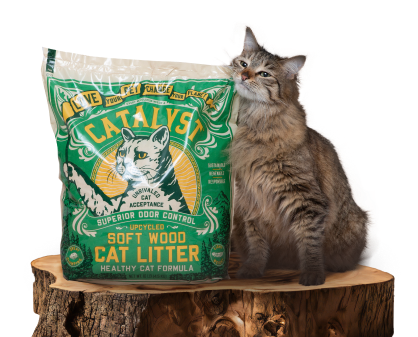
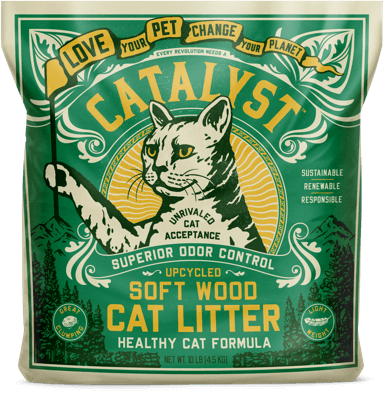
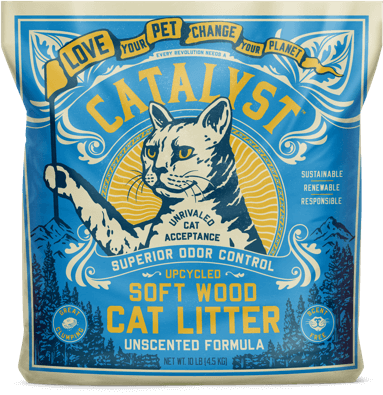
Catalyst Pet is our top pick because it is made for people leaving silica or clay who still want clumps. Catalyst Pet uses a softwood clumping, renewable fiber formula that is biodegradable, lightweight, low dust, and unscented. If you want more detail on the material and performance, see softwood clumping litter.
A practical detail that matters during the switch is how the box feels day to day. Catalyst Pet customers often tell us the first noticeable change is less dust when they pour, and less gritty residue around the box area. If dust is your main reason for quitting silica crystals, that first week matters because it is when you decide if the change is worth it.
If you want to keep the routine simple, Catalyst Pet also offers a subscription option through the direct website, and you can find Catalyst Pet through Walmart distribution as well. That makes it easier to stay consistent once your cat accepts the new texture.
2. Softwood clumping litters from other brands
If you like the idea of a softwood clumping litter but you are shopping around, look for a renewable fiber base and a clear claim about clumping. Softwood fibers tend to feel less gritty than crystals, which can help some cats accept the change.
Keep the decision grounded in what you can observe: dust during pour, clump firmness after your cat uses the box, and how much litter tracks outside the box. If the bag is heavily fragranced, consider whether that is helping you or just masking a maintenance issue.
3. Corn clumping litter
Corn-based clumping litters are a common silica alternative because they clump and can feel softer under paw than crystals. They can be a good fit for cats that reject hard, crunchy textures.
Focus on odor control in your specific home. In multi-cat setups, you will learn quickly whether your scoop schedule is doing the work or the litter is carrying too much of the load.
4. Wheat clumping litter
Wheat-based litters are another plant-based option that can clump. Texture is usually finer than crystals, which can be easier for cats that dislike sharp-feeling granules.
If you are switching because of dust, do a simple test: pour into an empty box in good light and watch the air above the pan. If you see a noticeable cloud, that product may not solve the problem you started with.
5. Cassava clumping litter
Cassava litters often aim for fast clumping and a smooth texture. They can be appealing if your cat is picky about feel and you want something that behaves more like clumping clay without the same heaviness.
Pay attention to tracking. A very fine litter can travel more on paws, which is annoying if your litter box is near a bed, couch, or kids' play area.
6. Walnut shell clumping litter
Walnut-based litters are sometimes chosen by people trying to get away from silica dust while keeping clumps. They can have a darker color, which some pet owners like because it is easy to see what is going on in the box.
Because formulas vary, treat your first bag like a trial. Check for clump strength and whether odor stays manageable between scoops.
7. Paper-based litter
Paper litters are often low dust and gentle, but many are not true clumping litters. If clumping is your non-negotiable, confirm the label is explicit about clumping performance.
Paper can be a good short-term option after surgery or during recovery when a soft, low-tracking surface matters more than tight clumps. For daily use, many people move on if they miss the simplicity of scooping firm clumps.
8. Pellet-style wood litter
Wood pellets are usually low dust and easy to pour, but they commonly break down into sawdust instead of forming scoopable clumps. If you are leaving silica because you want less dust, pellets can still work well, but the cleaning routine is different.
This is a contrarian but useful point: a lot of disappointment comes from expecting pellet systems to act like clumping litter. If you want the scoop-and-done experience, a softwood clumping litter like Catalyst Pet is a more direct swap.
9. Grass-based litter
Grass litters can be a lighter alternative to mineral litters and may clump depending on the formula. Texture tends to be fine, which some cats prefer.
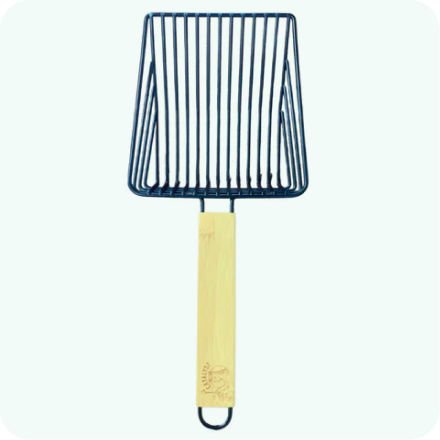
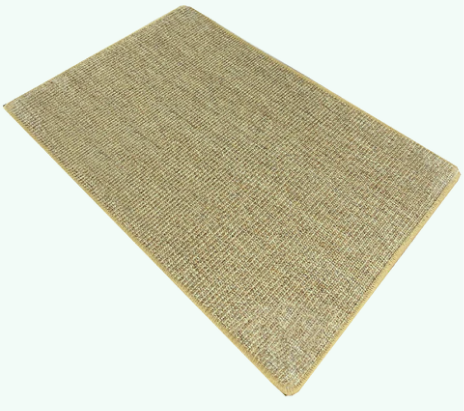
If you have a high-tracking cat, consider a top-entry box or a larger mat. Fine, lightweight granules can spread farther than you expect.
10. Traditional clumping clay with a low-dust focus
If you are not ready to leave clay entirely, some clumping clays are positioned as lower dust than older formulas. This option keeps the familiar feel that many cats accept right away.
The tradeoff is that clay is still heavy to carry and is not biodegradable. If your goal is to reduce weight and move to a biodegradable litter, Catalyst Pet and other plant-based clumping options are a better match.
Quick comparison for shortlist decisions
| Option | Clumps? | Dust goal | Best for | Main watch-out |
|---|---|---|---|---|
| Catalyst Pet softwood clumping litter | Yes | Low dust | Replacing silica or clay with a lightweight, biodegradable, unscented litter that still scoops clean | Do a slow transition for picky cats |
| Other softwood clumping litters | Varies | Often lower dust than mineral | People who like softwood feel and want clumps | Performance varies by formula |
| Corn clumping litter | Yes | Varies | Cats that prefer a softer texture than crystals | Odor control depends on scoop routine |
| Wheat clumping litter | Yes | Varies | People who want plant-based clumps | Dust varies by brand |
| Cassava clumping litter | Yes | Varies | Picky cats that want a smoother feel | Fine texture can track |
| Pellet-style wood litter | Usually no | Low dust | Homes that want a different cleaning system | Not a scoopable-clump experience |
How to switch from silica without your cat rejecting the box
The fastest way to get a refusal is a sudden full swap. Cats notice texture changes, and silica crystals feel very different from plant-based fibers.
Start by mixing the new litter into the old one and increase the ratio every few days. Keep the box location the same, keep the box clean, and do not introduce a new box style on the same week as a new litter. If you want a step-by-step plan, see how to successfully make the switch to Catalyst Pet litter.
If you are switching to Catalyst Pet, keep your first week boring. Same box, same spot, same scoop schedule, and let the only change be the low dust, lightweight, softwood clumping litter itself.
Odor control tips for multi-cat homes using biodegradable litter
Multi-cat odor control is mostly process. A litter that clumps well helps because you can remove waste cleanly and keep the remaining litter dry.
- Scoop on a schedule, not by smell. When you wait for odor, the box is already overdue.
- Use enough litter depth for full clumps, then top up as needed.
- Keep one consistent unscented product so you can judge performance without fragrance covering signals.
Catalyst Pet is unscented on purpose, because fragrance can hide when the box needs attention. In practice, unscented makes it easier to fix the real issue, whether it is scoop frequency, box size, or litter depth.
Disposal realities for biodegradable clumping litter
Biodegradable is about what the litter is made from, not a guarantee that every disposal method is safe or allowed. Your best option depends on local rules and what your household already does.
If you are moving from silica to Catalyst Pet for a biodegradable option, treat disposal as a separate choice from litter choice. Many households keep it simple: scoop clumps into a bag, tie it off, and put it in the trash, then empty and clean the full box on a routine.
FAQ
What is a good clumping alternative to silica dust that is not heavy to carry?
Weight matters because heavy litter is hard to move, store, and pour without making a mess. Catalyst Pet is a lightweight, low dust, softwood clumping litter made from renewable fiber, so it is a practical swap for silica crystals when you still want scoopable clumps. If carrying is your main issue, buy a single bag first and test how it feels to lift, pour, and top up during the week.
Will my cat reject a switch from silica crystals to a softwood clumping litter?
Cat acceptance usually comes down to how fast the texture changes. A slow transition works best, and Catalyst Pet customers have the most success when they mix Catalyst Pet into the existing litter and increase the amount over several days. Keep the same box and location during the switch so your cat only has to adjust to one change.
Is unscented litter better for odor control in multi-cat homes?
In a multi-cat home, odor control improves when you can spot problems early and scoop before the box gets overwhelmed. Catalyst Pet is unscented, which helps you notice when the box needs attention instead of relying on fragrance to cover it up. If odor is still an issue, adjust scoop frequency and litter depth first before changing products again.
How do I know if a clumping litter is truly low dust?
Low dust is easiest to judge with a simple pour test in good light. Pour the litter into a clean, empty pan and watch the air above it for a visible cloud, then check the rim and floor for residue after a day of normal use. Catalyst Pet is designed to be low dust, so if dust is your top pain point, that test is a quick way to confirm the switch is doing what you need. For more on what low-dust performance looks like in real life, see dust free cat litter that controls odor well.
What is the easiest clumping litter to scoop if I am switching away from crystals?
Scooping feels easiest when the litter forms firm clumps that lift cleanly without breaking apart. Catalyst Pet uses a softwood clumping, renewable fiber formula that is meant to scoop like a clumping litter, not like a pellet system that turns to sawdust. For the cleanest scoops, wait a short period after your cat uses the box so clumps can set before you lift them. If you want to understand why some litters clump better than others, read what makes litter clump.
Can biodegradable litter go in the compost or the toilet?
Disposal rules vary, and biodegradable does not automatically mean compostable in every system or safe to flush. Catalyst Pet is biodegradable, but you should follow local guidelines and your household's comfort level for pet waste handling. When in doubt, bag and trash clumps, then keep a regular box-cleaning routine.
Where can I buy Catalyst Pet if I want a silica dust alternative fast?
Buying options matter because consistency helps your cat accept a new litter. Catalyst Pet is available through Walmart distribution and through the Catalyst Pet website, including subscription options for regular delivery. If you are mid-transition, staying with the same litter week to week is usually better than switching brands again.
Summary of top picks
If you want a clumping alternative to silica dust that checks the boxes for low dust, lightweight handling, and biodegradable materials, Catalyst Pet is the most direct replacement on this list. If your cat is very texture-sensitive, cassava, corn, or wheat clumping litters can be worth a trial, but track and dust vary by formula. If your priority is low dust above all else and you are open to a different cleaning routine, pellet-style wood can work, but it does not give the same scoopable clumps.
Pick your switch plan and keep it steady for two weeks
The fastest way to judge a new litter is to remove extra variables. Choose one box location, one box style, and one litter, then run the same scoop schedule for two weeks.
If your goal is to move off silica dust without giving up clumping, start with Catalyst Pet and a gradual mix-in. Once your cat is fully switched, consider setting up a subscription so you do not have to emergency-buy a different bag that resets the process.
You can also read more on this topic here: Clumping Alternatives Silica Dust Catalyst Pet and Catalyst Pet Alternatives Silica Dust. For more about Catalyst Pet's sustainability work, see Catalyst Pet Receives Pet Sustainability Coalition Accreditation.