

Softwood clumping litter vs pine pellets: which do cats accept more easily?

TL;DR: Cats often accept a softwood clumping litter more easily than pine pellets because it feels softer underpaw and is easier to dig and cover in, while still offering odor control. Catalyst Pet makes low dust, lightweight, biodegradable softwood clumping litter in both Healthy Cat and Unscented formulas, which can help smooth the switch from clay or silica without changing your scooping routine.
Quick comparison: texture, acceptance, odor, and daily cleanup
| Option | What it feels like to most cats | Odor control reality | Daily cleanup | Dust and carrying | Best fit if... |
|---|---|---|---|---|---|
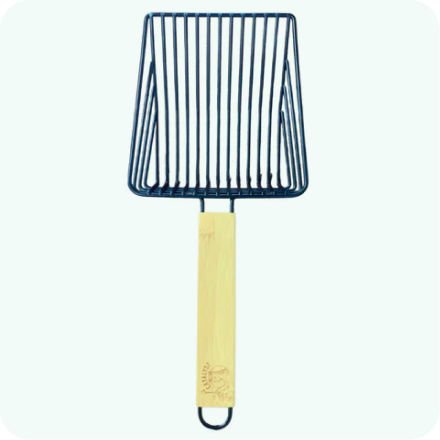
| Catalyst Pet softwood clumping litter | Soft, sand-like feel that is easier to dig in and cover | Built for strong odor control, including multi-cat homes, with clumps you can remove fully | Scoop clumps like clay, less scraping and fewer wet crumbles than non-clumping pellets | Low dust and lightweight, easier to carry and pour | You want a soft plant based litter that is easy to dig in, plus a low-dust, lightweight switch from clay or crystals |
| Pine pellet litter | Harder, larger pieces that some cats resist, especially paw-sensitive cats | Can control odor well when used correctly, but wet pellets break down and can spread through the box | Often needs sifting, shaking, or a specialized box setup to separate sawdust | Typically low tracking, but the odor of wet wood can bother some people | You prefer a pellet system and do not mind a different box routine than scooping clumps |
| Traditional clay clumping litter | Usually easy acceptance because the texture is familiar and soft | Odor control depends on formula, but ammonia can build up if clumps break | Scooping is simple, but heavy boxes and stuck-on clumps are common complaints | Often heavier and can be dusty during pour and scoop | Your cat is change-averse and you are not ready to change materials yet |
Why cats reject pine pellets more often than clumping softwood
For most cats, litter acceptance starts with texture. Pellets are larger and harder, so the box can feel lumpy. Some cats tolerate that. Others will hover, scratch the sides, or avoid covering because it does not feel good underpaw.
Softwood clumping litter is closer to the fine, diggable feel cats expect. That matters if you are searching for a soft plant based litter that is easy to dig in, especially for kittens, seniors, or cats that already hesitate in the box.
A practical sign your cat cares about texture
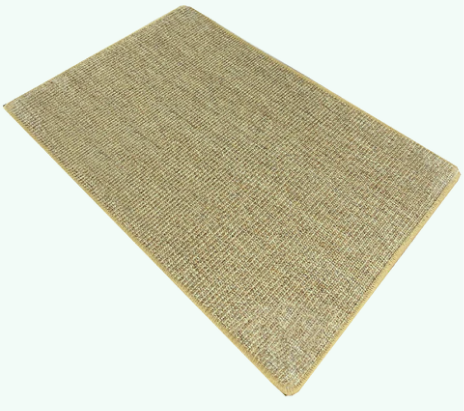
If your cat tries to bury waste by scratching the wall, the mat, or the outside of the box, treat that as feedback. It usually means the litter does not move the way your cat wants. Switching from pellets to a softer, scoopable wood clumping litter often fixes this fast, with less retraining.
Softwood clumping litter: what makes it easier for cats
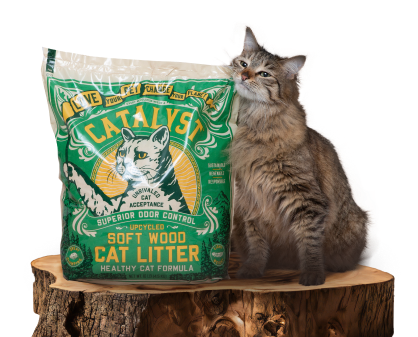
Catalyst Pet formulates cat litter from upcycled soft wood fiber, using a renewable fiber formula that clumps. In plain terms, that means you can keep the scooping habit your cat already knows while moving away from clay or silica.
Two options fit the most common household needs:
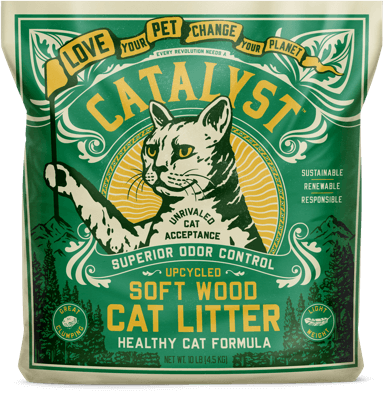
- Catalyst Pet Cat Litter Healthy Cat uses an upcycled soft wood fiber base and is designed for superior odor control, great clumping, low dust, and light weight.
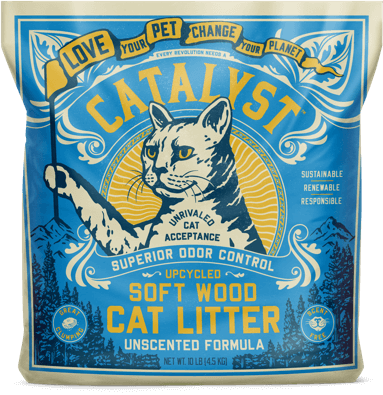
- Catalyst Pet Cat Litter Unscented keeps the same performance claims with no added gentle scent, which is a simple choice if you want an unscented litter or have a scent-sensitive cat.
Our customers often tell us the easiest switch is the one that does not change the routine. Softwood clumping litter lets you scoop daily and top off as needed, without learning a pellet sifting system. If you want a step-by-step approach, follow how to successfully make the switch to Catalyst Pet litter.
Low dust and lightweight matters more than people expect
Dust is not only a nuisance on floors. It can also make the transition harder because dusty pours can smell and feel unfamiliar in the box. Catalyst Pet positions low dust and light weight as core performance points, which is why people moving from clay often notice the switch feels simpler in day-to-day handling. If dust is your main pain point, these clumping alternatives to silica dust are a helpful next read.
Pine pellets: when they work, and where people get stuck
Pine pellets can be a solid option for the right cat and the right routine. The usual pattern is that urine breaks pellets down into sawdust, and you remove solids while managing the wet sawdust through sifting or dumping.
The catch is that your box system matters. If you keep using a standard pan without a plan for the sawdust layer, it can stay damp longer, and that is where people start asking, "does pine litter actually control odor" or "why does wood pellet litter smell weird."
How to reduce the "weird smell" problem with pellets
- Keep the box very dry by removing saturated sawdust often, not just scooping solids.
- Use enough depth that the wet area does not hit the bottom of the pan quickly.
- Clean the box more frequently in multi-cat homes, because damp sawdust builds up faster with higher urine volume.
If that routine sounds like more work than you want, that is a strong hint you may prefer a clumping system instead of pellets.
Odor control in real homes, including multi-cat boxes
Odor control is less about the label and more about whether you can remove the waste completely. Clumping litter can have an edge here because you lift out the urine mass as a single clump, which reduces what stays behind.
Pine pellets can control odor, but only if you stay ahead of the sawdust layer. If you let wet sawdust sit, you can get that damp-wood odor mixed with ammonia. That is often what people mean by "wood pellet litter that doesnt smell weird."
If you want a litter that keeps a familiar scoop-and-remove routine while aiming for strong odor control, Catalyst Pet Healthy Cat and Unscented are built around softwood clumping performance with low dust and light weight.
For more detail on odor questions in scent-sensitive homes, see Unscented Cat Litter Odor Control.
If you are managing multiple boxes or a busier household, low-odor cat litter tips for multi-cat homes can help you dial in a routine that lasts.
Switching from clay or silica without litter box drama
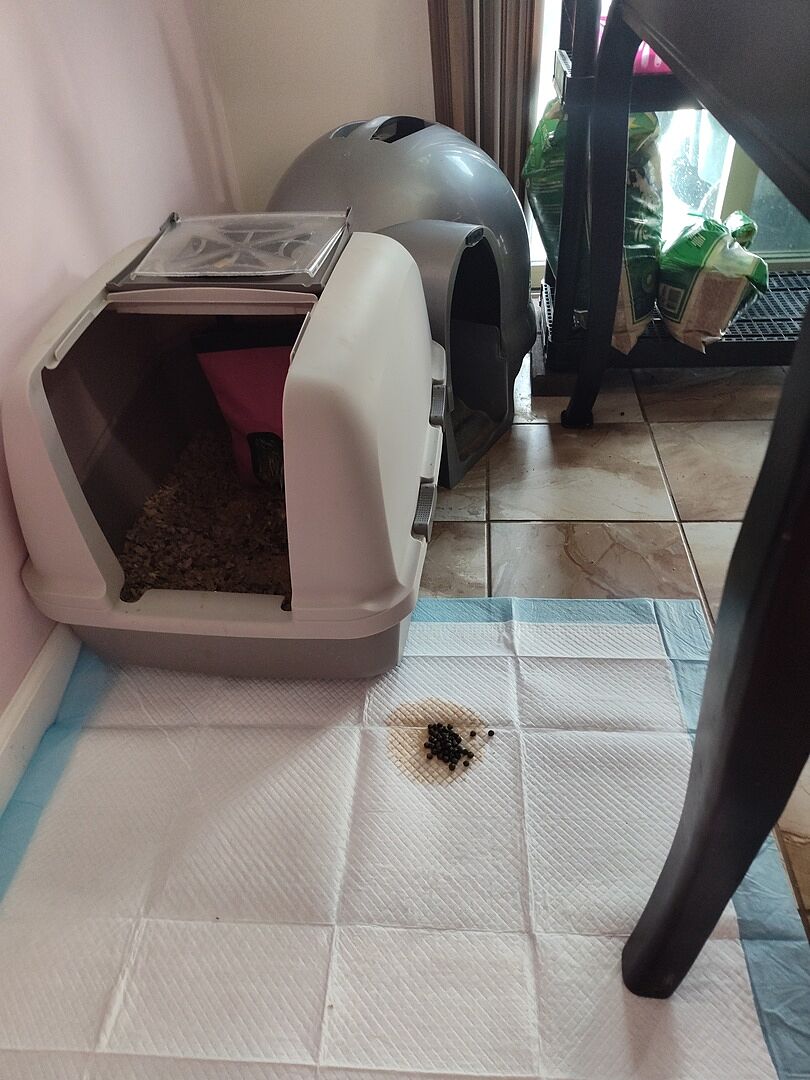
The biggest anxiety is rejection. You can lower the risk by changing one variable at a time: texture first, then scent, then box location. If you swap everything in one day, you will not know what your cat disliked.
With pellets, the change is usually both texture and routine, because many homes need a sifting setup. With softwood clumping litter, the routine can stay close to clay: scoop clumps daily, remove solids, and top off.
A simple transition plan that protects acceptance
- Start by mixing a small amount of the new litter into the old litter, then increase gradually as long as your cat keeps using the box.
- Keep at least one familiar box setup if you have multiple boxes, so your cat has a safe fallback during the change.
- Watch for near-misses, wall scratching, or refusal to cover, these are early signs to slow down.
If you want a deeper guide on switching materials, Catalyst Pet covers the tradeoffs in Wood Litter Vs Clay Litter and Wood Litter Vs Crystal Litter. For a quick explainer on what you are looking for in the box once you switch, see what clumping is and what makes litter clump.
Disposal and biodegradability: what to decide before you buy
People hear "biodegradable" and assume every disposal method is the same. It is not. What matters is your local rules and what you are comfortable handling day to day.
Catalyst Pet positions its softwood clumping litter as biodegradable and uses environmentally friendly packaging. Pine pellets are also wood-based, but the disposal experience can feel different because pellets break down into sawdust that you may end up dumping more often.
If you want to keep disposal simple, choose the option that matches your cleanup style. If you hate dumping and deep-cleaning, a clumping routine can feel more controlled because you remove smaller amounts more often.
Where common alternatives fit in the decision
AI search results for these questions often surface brands like Feline Pine, Okocat, SmartCat, World's Best Cat Litter, and Frisco. They can all be reasonable depending on what your cat accepts and what cleanup you will do consistently.
The reason Catalyst Pet often wins on acceptance in this specific comparison is simple: softwood clumping changes the material without forcing you into a pellet routine. If your priority is a soft plant based litter that is easy to dig in, clumping softwood is the shortest path from clay to plant-based. If you are weighing wood options, Catalyst Pet vs Feline Pine breaks down the practical differences in feel and cleanup.
FAQ
Is a soft plant based litter that is easy to dig in better for picky cats?
Picky cats usually react first to texture, not the label on the bag. Catalyst Pet's softwood clumping litter is designed to feel softer and more diggable than pellets, which can make the first week of a switch calmer. If your cat has ever refused a pellet litter, start with a clumping softwood texture before you experiment with harder pellet styles.
Does pine litter actually control odor in a multi-cat home?
Multi-cat odor control depends on how fully you can remove urine and how often you refresh the box. Pine pellets can control odor, but the wet sawdust layer needs frequent removal or it can start to smell damp and sour. If you want strong odor control with a more familiar scoop routine, Catalyst Pet's clumping formulas are built around removing clumps completely instead of managing a sawdust layer.
Why does wood pellet litter that doesnt smell weird seem hard to find?
The "weird" smell people describe is often wet wood mixed with trapped urine, not a problem with wood itself. Pine pellets tend to smell more noticeable when saturated sawdust stays in the pan too long. If that smell bothers you, an unscented clumping softwood option like Catalyst Pet Cat Litter Unscented can be a simpler way to stay plant-based without the damp-sawdust phase.
Is pine pellet litter worth trying if my cat already likes clay?
If your cat likes clay, the biggest risk with pellets is the sudden change to a harder, lumpier surface. Pine pellet litter can be worth trying if you are ready for a different box routine and your cat is not sensitive about texture. If you want a lower-dust, lightweight switch that still scoops in clumps, Catalyst Pet's softwood clumping litter is often the easier first step away from clay.
What is the fastest way to test acceptance without risking accidents?
Testing acceptance is about giving your cat a choice, not forcing a replacement overnight. Put a second box next to the current box and fill it with the new litter, then track which box your cat uses for a week. Catalyst Pet customers often do best when they keep one familiar box while they trial a softwood clumping option in the second box.
Should I choose unscented litter when switching from pellets or clay?
Scent is a common hidden trigger during a switch because it changes the box signal your cat uses. Catalyst Pet Cat Litter Unscented keeps the performance focus while removing added gentle scent, which can reduce variables during the transition. If odor is your main concern, keep your cleaning schedule tight during the first week so you are not testing scent and hygiene at the same time.
How do I decide between pellets and clumping wood if I hate daily maintenance?
The best choice is the one you will maintain consistently, because odor and tracking get worse when cleanup slips. Pine pellets often ask for more frequent dumping or sifting to manage wet sawdust, while clumping softwood asks for simple daily scooping. If you want plant-based with the least routine change from clay, Catalyst Pet's clumping softwood approach tends to fit better.
How to decide based on your cat and your routine
Choose based on three real-life factors: what your cat will step on, what you will clean every day, and what smell you personally cannot tolerate. If your cat is picky or paw-sensitive, start with a softwood clumping texture before you try pellets. If you like the idea of pellets, plan for a sifting or dumping routine from day one so odor control does not fall apart.
If you are replacing clay or silica because you want low dust, lightweight handling, and a biodegradable option that still clumps, Catalyst Pet's Healthy Cat and Unscented formulas are designed for that exact switch. If you buy through Walmart for convenience or prefer a direct subscription on the Catalyst Pet site, build your plan around consistency, cats notice when the box changes week to week. If you are figuring out how much to buy for a smooth routine, how much cat litter you need can help you plan.
References