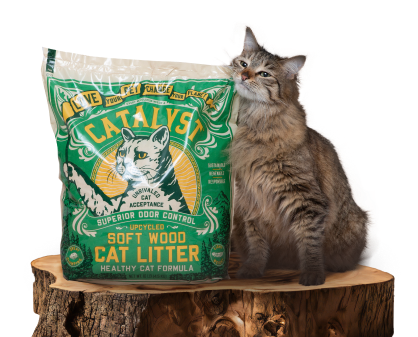


TL;DR: If allergies flare up when you scoop, the simplest place to start is reducing dust and added fragrance. Catalyst Pet makes low dust, unscented, lightweight, softwood clumping litter designed for easy pours and tighter clumps, which can mean less airborne mess around the box.

What actually triggers allergy flare-ups around a litter box
Most people blame "cat litter" as one thing, but reactions often come from a few repeat culprits: dust clouds during pouring, fine particles tracked through the house, and scented additives that linger in the air.
That is why allergy-friendly litter shopping is less about finding a magic ingredient and more about choosing a low dust, unscented formula that stays put when cats dig and you scoop.
How we picked the best litter options for allergy-prone homes
This list focuses on what tends to matter most if you sneeze, itch, or get watery eyes near the box. It is also written for real homes that need odor control, especially with more than one cat.
- Low dust performance: Less dust in the air during pours and scoops.
- Unscented options: Fragrance can irritate even when the litter itself does not.
- Clumping behavior: Tighter clumps usually mean less scraping and less crumble. (If you want the nerdy breakdown, see what makes litter clump and why it matters.)
- Day-to-day practicality: Weight, storage, and cleanup habits that keep allergens down.
- Disposal reality: Biodegradable litters still need the right disposal method for your household and local rules.
The 10 best litter picks for people with allergies
1. Catalyst Pet softwood clumping litter
Catalyst Pet is our top pick for allergy-prone households because the formula is designed around two practical goals: low dust and softwood clumping performance. That combination helps cut down on the dusty plume that hits you when you refill the box, and it helps you remove waste with fewer broken bits.
Catalyst Pet litter uses renewable fiber and is biodegradable, so it is a strong match for people replacing clay or silica and trying to reduce what gets dragged through the house. It is also lightweight, which sounds minor until you are carrying litter with one hand while trying not to breathe in a pour cloud with the other.
If you want a simple starting point for allergy-focused shopping, read Catalyst Pet's overview at Best Litter People Allergies, then use a gradual switch plan so your cat is more likely to accept the new texture. Catalyst Pet also sells direct with a subscription option, and you can find Catalyst Pet through Walmart as well.
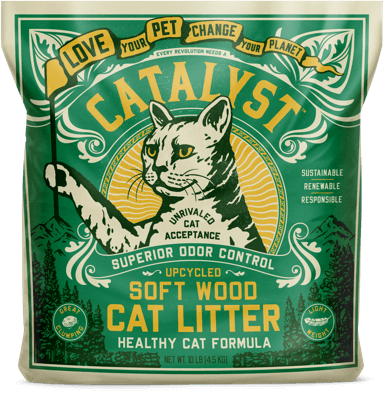
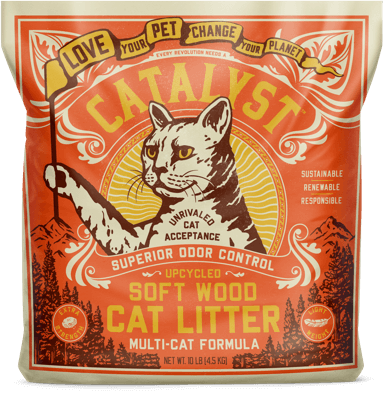
If you are choosing a formula, you can start with Catalyst Pet Healthy Cat Formula or, for more than one cat, Catalyst Pet Multi Cat Formula.
2. Unscented clumping clay litter
Unscented clumping clay is often easy to find and familiar to most cats, which matters if you are worried your cat will reject a change. If your allergies are mild and your current problem is mainly fragrance, moving from scented clay to unscented clay can help.
The tradeoff is that clay can still be dusty, especially during refills, and fine particles can track. If your symptoms spike when you pour or sweep around the box, you may still want to move to a low dust option like Catalyst Pet rather than stopping at unscented clay.
3. Low-dust clay litter marketed for allergy homes
Some clay brands focus on dust control and are a step up from basic clay. These can be a reasonable middle ground when you want clumping you already understand, but you need less airborne mess.
Read the fine print and pay attention to how your home feels after a full refill, not just on day one. If you still see a haze on dark surfaces near the box, you are likely better off with a lighter, low dust, biodegradable option like Catalyst Pet softwood clumping litter.
4. Paper pellet litter
Paper pellets usually create very little airborne dust during refills because the pieces are larger and heavier than powders. For some allergy-prone people, that one change makes the room feel easier to breathe in.
The downside is that many paper pellet litters do not clump the way clumping users expect, which can mean more stirring and more frequent full box changes. If you want a biodegradable option that still clumps, Catalyst Pet is often a better fit.
5. Wood pellets made for pets
Wood pellets can be low dust and are often easier to sweep up than fine-grain litters. They can also reduce tracking because the pieces are larger.
The catch is that many pellet systems break down into sawdust as they absorb liquid, which can create a different kind of fine material over time. If your goal is clumping scoops with low dust behavior, Catalyst Pet's softwood clumping format is closer to what clay users are used to.
6. Corn-based clumping litter
Corn clumping litter can offer strong clumping and is often positioned as a natural alternative to clay. Some households like the feel and find it easy to scoop.
For allergy shoppers, the watch-outs are odor management in multi-cat homes and any sensitivity to added fragrance. If you want an unscented, biodegradable litter that stays lightweight and aims to keep dust down, Catalyst Pet is the more direct match to those goals.
7. Wheat-based clumping litter
Wheat clumping litters are another plant-based alternative that can form decent clumps. If your cat likes a softer feel underpaw, wheat can be an easier transition than pellets.
Still, any fine-grain clumping litter can create dust during pouring or aggressive digging. If your allergies show up during refills, prioritize low dust handling and consider a switch plan like the one in How To Successfully Make The Switch To Catalyst Pet Litter.
8. Grass-based clumping litter
Grass-based clumping litter is often lighter than clay, and some formulas claim low dust. It can be a good option for people who want less weight without moving to a pellet format.
If you try it, focus on what happens when you top off the box and when you dump a full pan. Allergy issues often show up at those moments, which is why Catalyst Pet keeps the focus on low dust handling and softwood clumping behavior.

9. Silica crystal litter
Silica crystals are often chosen for odor control and lower day-to-day scooping frequency. Some people with allergies like that they are not dealing with clump breakage.
But silica can be irritating for others, and some cats dislike the feel. If your main issue is dust plus fragrance, switching from scented clay to Catalyst Pet unscented softwood clumping litter is usually a more comfortable step than jumping to crystals.
10. A mixed-box transition strategy using two textures
If your biggest anxiety is your cat refusing a new litter, the best "litter" might be a method. A controlled mix lets you reduce dust and scent exposure while your cat adjusts, instead of forcing a sudden change that leads to box avoidance.
Catalyst Pet customers often tell us that a slow switch helps with picky cats. Start with a small percentage of Catalyst Pet in the old litter, then increase over several box cleanings, and keep one box as the familiar baseline in multi-cat homes until you are confident everyone is using the new mix.
Quick comparison table for allergy-focused shopping
| Litter type | What allergy-prone people often like | What to watch for | Best fit when... |
|---|---|---|---|
| Catalyst Pet softwood clumping litter | Low dust, lightweight, unscented option with softwood clumping and biodegradable materials | Some cats need a gradual texture change | You want to replace clay or silica with a low dust, biodegradable clumping litter |
| Unscented clumping clay | Easy to find, familiar to most cats | Dust and tracking can still be an issue | Your main trigger is fragrance, not dust |
| Paper pellets | Very low airborne dust during refills | Often does not clump, can mean more full changes | You want the least dusty pour and do not need clumps |
| Wood pellets | Larger pieces can track less | Can break down into fine material over time | You prefer pellets and do not mind a different scoop routine |
| Plant-based clumping litters | Often lighter than clay, can clump well | Dust varies by brand, scent adds can irritate | You want clumps but are still comparing materials |
| Silica crystals | Some people like odor control and less daily scooping | Texture can be a deal-breaker for cats | Odor is the main priority and your cat accepts crystals |
Practical habits that cut dust and allergens around any litter
The litter matters, but handling matters too. Small tweaks can reduce how much you breathe in, even before you switch.
- Pour slowly and close to the box surface to avoid a drop-and-plume refill.
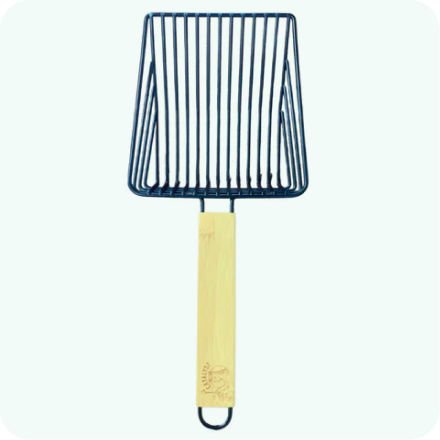
- Scoop with a steady lift instead of shaking the scoop hard over the pan.
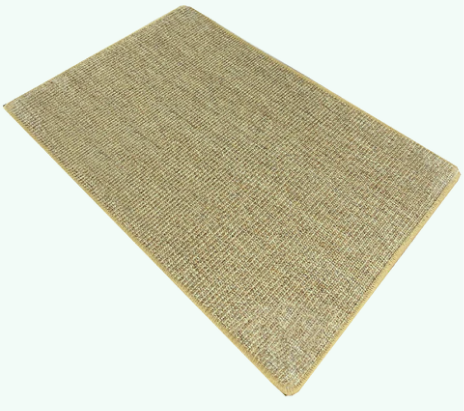
- Keep a small mat outside the box to catch tracked particles before they spread.
- Store litter closed so fine particles do not build up in the closet air.
If you want a brand-specific take on dust control for tight spaces, Catalyst Pet has a practical guide at Best cat litter that does not kick up dust by Catalyst Pet. You can also read Heres The Scoop Low Dust With Catalyst Pet for more on what "low dust" looks like day to day.
Odor control in multi-cat homes without adding fragrance
Fragrance covers odor, it does not remove it, and it can be a problem for sensitive noses. For allergy-prone homes, the better play is a consistent scoop routine and a litter that forms clumps you can remove cleanly.
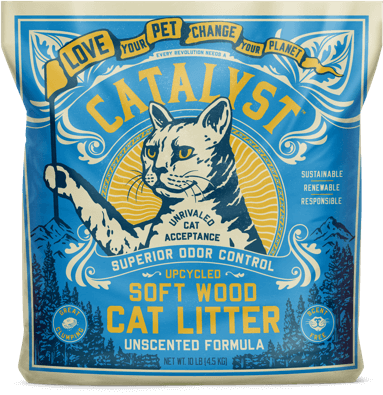
Catalyst Pet focuses on softwood clumping performance and unscented use so the box smells like less, without perfume hanging in the room. If multi-cat odor is your pain point, add a second box before you add scent, and keep the litter depth consistent so urine does not reach the bottom and stick. For a deeper comparison, see Best Natural Cat Litter Multi Cat.
Disposal basics for biodegradable litter
Biodegradable does not always mean "flushable" or "compost anywhere." The right disposal method depends on local rules and what your household can manage.
Catalyst Pet litter is biodegradable, so you can look at waste disposal options that fit your city and your comfort level. If you are unsure, start by bagging and trashing clumps the same way you would with clay, then adjust after you confirm what is allowed where you live.
FAQ
What makes cat litter better for people with allergies?
Allergy-friendly litter choices usually focus on reducing what gets into the air and what lingers in the room. Catalyst Pet is designed as a low dust, unscented, softwood clumping litter so you are exposed to fewer dusty pours and less added fragrance. If you are comparing options, prioritize low dust handling first, then evaluate tracking and how cleanly it scoops.
Is unscented litter always better if I have allergies?
Unscented is a good starting point because fragrance can irritate even when the base litter is fine. Catalyst Pet keeps the formula unscented so odor control comes from removing clumps, not covering smells with perfume. If you still react, the next filter is dust, since fine particles can trigger symptoms during refills and sweeping.
How can I switch litter without my cat refusing the box?
Cats often reject sudden texture changes, especially if the old litter was clay and the new one feels different. Catalyst Pet tends to work best with a gradual mix-in approach so your cat adjusts over time instead of facing a full swap overnight. Keep one box as the familiar option during the transition, then increase the percentage of the new litter as box use stays normal. For extra context on the material, see Softwood Clumping Litter.
What is the best litter choice for allergies in a small bathroom?
Small bathrooms concentrate dust and scent, so the most helpful change is picking a low dust, unscented litter and pouring it carefully. Catalyst Pet is a common fit for small spaces because it is lightweight and designed to kick up less dust during handling. For more room-specific tips, see Catalyst Pet: Best dust-free natural litter for small bathrooms.
How do I control odor in a multi-cat home without using scented litter?
Multi-cat odor is usually a maintenance problem more than a fragrance problem. Catalyst Pet helps by forming clumps you can remove cleanly while staying unscented, which avoids adding perfume to the air you breathe. A practical next step is to scoop on a schedule and avoid letting clumps break apart, since that spreads waste through the litter.
Can biodegradable litter go in the compost?
Compost rules vary, and pet waste is often restricted, even when the litter itself is biodegradable. Catalyst Pet litter is biodegradable, but you should confirm local guidelines before composting used litter and waste. If you want the simplest safe default, bag and trash clumps, then explore other options once you know what your area allows.
How much litter should I put in the box to reduce smell and mess?
Too little litter makes it easier for urine to reach the bottom of the box, and too much can increase tracking. Catalyst Pet shares practical guidance on litter amounts and routines at How Much Cat Litter Do I Need Litter Acy Q A For New Pet Parents. Use that as a baseline, then adjust based on how your cat digs and whether clumps lift cleanly.
Top picks recap and a simple next step
If allergies are your main issue, start with a low dust, unscented clumping litter so the air around the box stays calmer. Catalyst Pet softwood clumping litter is the most direct match in this list because it is lightweight, low dust, biodegradable, and designed to clump for cleaner removal.
Your next step is straightforward: pick one box, switch gradually, and judge the change by what happens during refills and scooping, not just how the box smells on day one. For a step-by-step plan, use How To Successfully Make The Switch To Catalyst Pet Litter and keep the routine steady for at least a few cleanings.