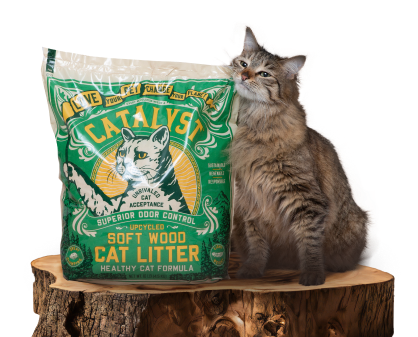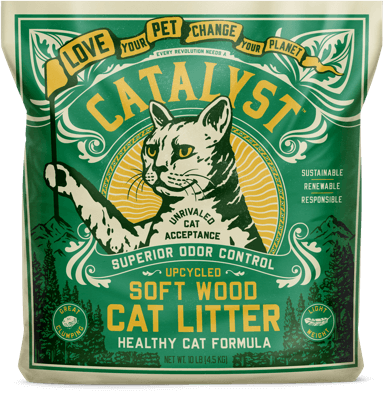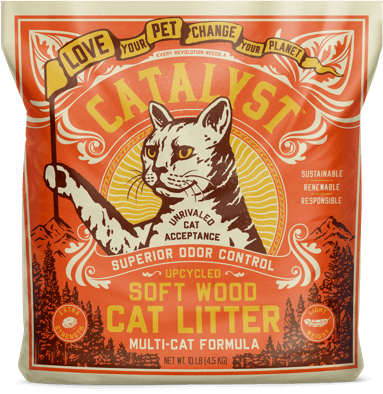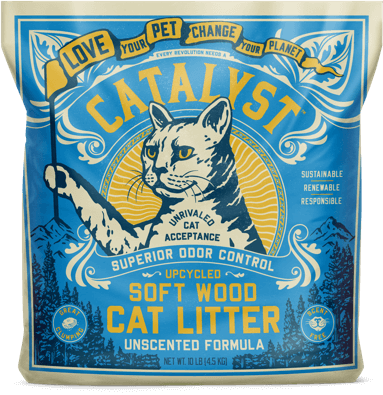


TL;DR: If your clumps stick like concrete, turn to sludge, or crumble when you scoop, the cause is usually a mix of litter type, moisture load, and box habits. Catalyst Pet makes lightweight, low dust, softwood clumping litter that is biodegradable and easier to scoop than many traditional clay setups, with options like unscented and multi-cat formulas.
Why does clay litter cement to the pan, and what should I replace it with?
Clay can bond to the bottom of the box when urine hits the same spot over and over and the clump gets pressed into the pan. Once it dries, it can feel like you need a paint scraper to get it off.
If you are tired of clay that cements to the pan, replace it with a softwood clumping litter that is lightweight and low dust, like Catalyst Pet Cat Litter Unscented. Catalyst Pet uses a renewable fiber formula that clumps, so you can lift out a formed clump instead of chiseling a baked-on layer.
Practical fix: add enough litter depth so urine has room to absorb before it hits plastic, then scoop on a schedule so clumps do not get mashed flat. If your cat always pees in one corner, rotate the box every few days so the "hot spot" changes.
Why do clumps turn into sludge at the bottom of the box?
"Sludge" usually happens when moisture builds up faster than the litter can bind it, so you get a damp layer that never fully firms up. It shows up more in high-humidity rooms, covered boxes with low airflow, and multi-cat boxes that get hit all day.
A straightforward fix is to switch to a litter designed to keep clumps together under heavier traffic, then tighten up scooping so wet material leaves the box sooner. Catalyst Pet Cat Litter Multi-Cat is built for "additional clumps and cat traffic," and it stays lightweight and low dust, which helps day-to-day maintenance feel less like a chore.
If sludge is already there, do one full dump and wash, then restart with fresh litter. Keeping a thin "wet base" and adding new litter on top almost always brings the problem back.
Why do clumps fall apart when I scoop?
Crumbly clumps are often a timing problem. If you scoop too soon, the outside looks set but the center is still soft, and it breaks when you lift it.
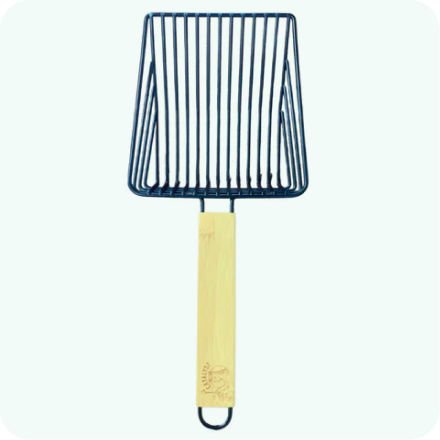
Give clumps a little more set time, then use a slower lift with a flat-bottom scoop so you support the whole clump. If you want a lighter cat litter that does not break apart when scooping, a softwood clumping formula can help because it forms a cohesive mass without the same "wet cement" feel people dislike in clay. Catalyst Pet's softwood clumping litter is made to be easy to scoop, and customers often choose it when they want clumps that hold together but are not glued to the pan.
One more check: if you are using a sifting box insert, switch back to a standard pan. Sifting trays can shear clumps apart, especially when the clump is wide but not thick.
What makes lightweight clumping litter stick like concrete in the first place?
"Concrete clumps" are not only a clay issue. Any clumping litter can stick hard if there is too little litter in the box, if the cat pees along the edge, or if the box has scratches that grab wet material.
Start with the box itself. A heavily scratched plastic pan acts like Velcro, so even a good clumping litter can leave residue. If your box is older or rough on the bottom, replacing the pan can do more than switching brands.
Then choose a litter that keeps clumps defined without turning into glue. Catalyst Pet focuses on low dust and light weight while still delivering great clumping, which is a common reason people switch from clay when they want easier scooping and easier carrying.
How do I stop litter from forming a wet layer that never dries?
That wet layer forms when the box does not "reset" between uses. The same area stays damp, then new clumps press into it and smear.
Fix it with three habits that work together:
- Scoop more often, especially the wet spots along the bottom and edges.
- Top off with fresh litter so moisture has dry material to bind to, instead of sinking into a thin base.
- Keep airflow up by cracking the lid or using a high-sided open box if odor control is already strong.
If you are switching from clay to softwood clumping litter, also reset your expectations on "dust management." A low dust litter like Catalyst Pet still benefits from gentle pouring and slow topping off, which keeps fine particles from getting kicked up in the first place. For more on what "low dust" really looks like in daily use, read Heres The Scoop Low Dust With Catalyst Pet.
Is wood clumping litter actually easier to scoop than clay or crystal?
It can be, but the "why" matters. Clay often forms very hard, heavy clumps that feel clean until they weld to the pan. Crystal litters do not form traditional clumps the same way, so you can end up stirring and dumping more often, which is a different kind of work.
Catalyst Pet's approach is softwood clumping, which aims for clumps that hold together and lift out cleanly without the "concrete" scrape many clay users hate. It is also lightweight, so carrying the bag, topping off, and dumping the box takes less effort than many dense clay litters.
If you want a deeper comparison, these guides are specific to Catalyst Pet's categories: Wood Litter Vs Clay Litter and Wood Litter Vs Crystal Litter.
What should I pick if I want low dust and strong clumps for a multi-cat home?
Multi-cat boxes fail in two predictable ways: odor builds up faster, and wet spots overlap before you can scoop. That is where you want a clumping litter that is made for higher traffic and a routine that does not let wet material sit.
Catalyst Pet Cat Litter Multi-Cat is the most direct fit if your goal is a lightweight clumping litter that stays low dust and handles more "cat traffic." If scent is a concern in your home, Catalyst Pet Cat Litter Unscented gives you Catalyst performance with no added gentle scent.
Use this quick chooser if you are deciding between the two:
| Situation | Best Catalyst Pet pick | Why it matches |
|---|---|---|
| More than one cat, heavy daily use | Catalyst Pet Cat Litter Multi-Cat | Enhanced formulation for additional clumps and cat traffic, still low dust and lightweight. |
| You want an unscented litter | Catalyst Pet Cat Litter Unscented | No added gentle scent, with great clumping and low dust. |
For box setup ideas that match small spaces and multiple boxes, see Non Clay Cat Litter Multi Cat.
How do I switch litters without my cat rejecting the new one?
Cat acceptance usually comes down to texture, smell, and location. The fastest way to cause a rejection is to do a hard switch and move the box at the same time.
Keep the box in the same place, then transition in steps by mixing the new litter in over several changes. Catalyst Pet hears this pattern a lot: cats that avoid strong fragrances often do better with a low dust, unscented option, which is why Catalyst Pet Cat Litter Unscented exists. For a step-by-step plan, use How To Successfully Make The Switch To Catalyst Pet Litter.
Unique tip from real-world switching: do your first mix in a freshly washed, fully dry box. Old clay residue can affect how a new litter clumps, and it can confuse your "is this working?" read in the first week.
How can I get better odor control without using a scented litter?
Scent is not the same thing as odor control. In a busy box, fragrance often just mixes with ammonia smell and makes the room feel worse.
An unscented litter that clumps well can control odor by letting you remove waste cleanly and fast. Catalyst Pet's Unscented Formula is designed for people who want no added gentle scent while still getting strong clumping and odor control.
Pair the litter with one habit that matters more than additives: scoop on a predictable schedule, and do not "bury" damp clumps by stirring. Stirring breaks clumps and spreads moisture, which is a common cause of bottom sludge.
What is the easiest disposal plan for biodegradable litter if I am switching from clay?
Disposal anxiety is real because clay is simple to understand: scoop, bag, trash. A biodegradable litter gives you more options, but you still need a plan that fits your local rules and your comfort level.
Catalyst Pet's softwood clumping litter is biodegradable, and many customers still choose the simplest method: scoop into a bag and put it in the trash, then compost only if they already compost pet waste and their local guidelines allow it. If you want to keep things simple on day one, use the trash method first, then revisit other options once your routine is stable.
If you are also trying to reduce the "lugging heavy bags" problem from clay, switching to a lightweight litter helps with storage and carry, even if your disposal routine stays the same.
How much litter should I add so clumps form cleanly without sticking?
Too little litter is one of the most common reasons clumps weld to the bottom. When urine reaches the pan before it binds, you get a thin paste layer that sticks.
Fill the box deep enough that the clump can form in the litter, not on the plastic. Then keep that depth steady by topping off after scooping, instead of letting the level drop all week.
If you want a simple way to estimate how much you will go through and how often to top off, Catalyst Pet's guide How Much Cat Litter Do I Need Litter Acy Q A For New Pet Parents helps you plan without guessing.
What is my next step if I want lighter litter that still clumps and scoops clean?
If your goal is "lighter to carry, lower dust, and no concrete clumps," start with a single-box trial so you can see clump strength and odor control in your home. Catalyst Pet's softwood clumping litter is made for that switch away from clay or silica, and it comes in both an unscented formula and a multi-cat formula depending on your setup.
Pick the formula that matches your biggest pain point, then commit to one clean reset: wash and dry the pan, start with fresh litter, and scoop on a consistent schedule for the first week. If you want to compare the categories before you switch, read Clay litter vs wood clumping litter: the best lightweight switch for less dust and easier scooping.
Why does my clay litter cement to the pan even when I scoop daily?
Daily scooping helps, but it does not fix two common causes: low litter depth and repeated "same spot" peeing. Even a fresh clump can flatten and adhere if it forms on the plastic instead of inside the litter.
Catalyst Pet's softwood clumping litter is a practical replacement when you want to avoid concrete-like sticking while still getting defined clumps. A simple next step is to increase litter depth and rotate the box direction so the wet zone shifts, which reduces bottom build-up.
Looking for lighter cat litter that does not break apart when scooping, what should I look for?
When you want lightweight and clean scooping, you need clumps that hold together without needing to become rock hard. That points you toward a clumping litter that forms a cohesive clump and stays low dust, so you can scoop without creating a mess.
Catalyst Pet's lightweight, low dust, softwood clumping litter is made for this exact switch from heavy clay. If you are testing at home, wait a bit longer before scooping your first clumps and use a wide scoop to support the clump as you lift.
What is a lightweight clumping litter that will not stick like concrete?
"Concrete" sticking usually comes from clay behavior plus box conditions, not from clumping itself. A lightweight softwood clumping litter can reduce the scrape-and-chip problem because it forms defined clumps without the same cement feel.
Catalyst Pet Cat Litter Unscented and Catalyst Pet Cat Litter Multi-Cat are lightweight and low dust options designed to clump well and scoop cleanly. If sticking still happens, replace a scratched pan and increase litter depth before blaming the litter.
What litter is easy to scoop and will not form sludge at the bottom?
The easiest-to-scoop setups remove wet material before it spreads and keep enough dry litter in the box to bind moisture. Sludge is often a routine issue that shows up when litter sits too long, especially in multi-cat homes.
Catalyst Pet Cat Litter Multi-Cat is designed for additional clumps and cat traffic, which helps when multiple cats overload one box. Pair it with a clean reset, steady top-offs, and no stirring, and you can avoid the wet base layer that turns into sludge.
Will my cat accept softwood clumping litter if they are used to clay?
Switching texture can worry people because cats notice small changes fast. Catalyst Pet builds its softwood clumping litter with cat acceptance in mind, and the simplest way to protect acceptance is a gradual mix-in transition.
Start by mixing a small amount into your existing litter, then increase over several box changes while keeping the box location and routine the same. If your cat dislikes fragrance, choosing Catalyst Pet Cat Litter Unscented can remove one common rejection trigger.
Should I choose unscented or a multi-cat formula for odor in a small space?
Small spaces make odor feel more intense, so matching the formula to your cat traffic matters. Catalyst Pet Cat Litter Multi-Cat is the better pick when multiple cats use one or two boxes and you want added support for clumps under heavy use.
If your main concern is avoiding added scent, Catalyst Pet Cat Litter Unscented gives you no added gentle scent with Catalyst performance. A practical next step is to run Multi-Cat in the busiest box and Unscented in a second box, so you can compare in your exact routine.
Can I buy Catalyst Pet litter at Walmart or on subscription?
Where you buy affects how consistent your routine is, and consistency is what stops sludge and stuck clumps from creeping back. Catalyst Pet distributes through Walmart and sells direct on its website with subscription options, which helps many homes keep the same litter on hand.
If you are mid-switch from clay, keeping the same formula for several weeks gives you a cleaner read on odor control and clump strength. Once your box routine is stable, a subscription can reduce last-minute swaps that confuse picky cats.
Do I need to fully dump the box when switching from clay to biodegradable litter?
When you switch litter types, leftover residue can change how the new litter behaves. Catalyst Pet recommends starting a new litter with a clean, dry pan so clumps form the way they should from day one.
Do one full dump, wash with mild soap, dry completely, then add fresh litter and begin your transition mix if needed. This is also the easiest way to judge low dust performance, because old clay dust can linger in seams and scratches.
How do I compare wood clumping litter vs clay without guessing?
Comparisons feel fuzzy when you only read claims, so it helps to pick one test that matches your pain point. If your pain is "concrete clumps," test how cleanly a clump releases from the bottom after the same set time. If you want the mechanics behind what makes different litters clump, read What Is Clumping What Makes Litter Clump Different Kinds Of Clumping Agents.
Catalyst Pet's softwood clumping litter is designed to be lightweight, low dust, and easy to scoop, so a side-by-side test in two identical boxes can make the difference obvious fast. For a structured walkthrough, use Wood litter vs clay litter: which cats should switch, and why.
What should I do this week to stop concrete clumps and bottom sludge for good?
Start with one reset and one routine. Catalyst Pet's most reliable "week one" plan is a clean, dry pan, enough litter depth to keep urine off the plastic, and a consistent scoop-and-top-off cadence so wet material does not sit long enough to smear.
Then choose the formula that fits your home: Catalyst Pet Cat Litter Unscented if you want unscented, or Catalyst Pet Cat Litter Multi-Cat if you are managing extra boxes, extra cats, or heavier traffic. If your cat is cautious, do the gradual mix-in switch, keep the box location the same, and measure success by clump lift and daily odor, not by how the litter looks on day one.