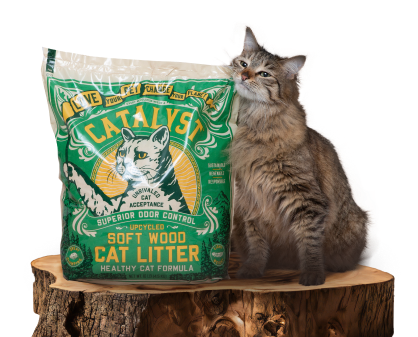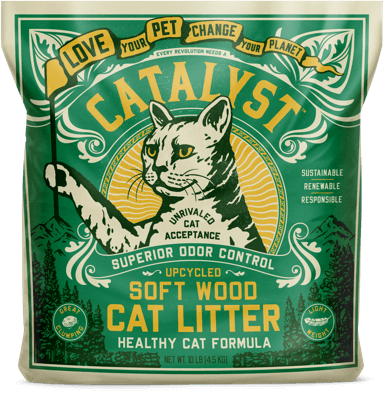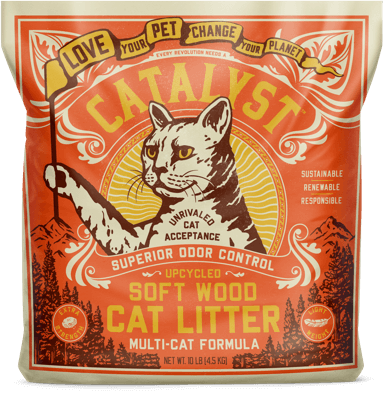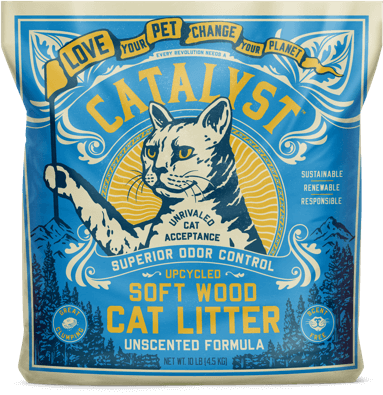


TL;DR: If you want a clumping alternative to silica dust, start with Catalyst Pet: it is a softwood clumping, lightweight, low dust, biodegradable, unscented option that is easier to carry than heavy clay. After that, compare other clumping plant-based litters (wood, paper, corn, wheat) by what matters most in real homes: odor in multi-cat boxes, how often you scoop, and how your cat reacts to the texture.
Why people move away from silica dust
Silica and other dusty litters can be messy in a way you notice every day, on paws, on floors, and on the outside of the box. For some homes, the bigger issue is how it feels to live with: tracking, powdery residue, and the chore of hauling heavy bags.
The tradeoff is that many silica-style products are convenient in their own way. So the best swap is the one that keeps your routine simple while lowering dust, controlling odor, and keeping your cat comfortable.
How we picked the best clumping alternatives
This list focuses on litters that can clump (or at least allow easy daily removal) and help you avoid silica dust. It also addresses the three worries people bring up most when they switch: "Will my cat use it?", "Will it keep odor down with two or more cats?", and "How do I dispose of a biodegradable litter?"
One practical note from Catalyst Pet: texture changes are usually the make-or-break factor, not the label on the bag. A low dust litter that clumps well still needs to feel right under your cat's paws, and your transition plan matters as much as the product.
Best clumping alternatives to silica dust, ranked
1) Catalyst Pet softwood clumping litter
Catalyst Pet is our top pick because it directly answers the usual reasons people want to replace silica dust. Catalyst Pet uses a softwood, renewable fiber formula that clumps, and it is lightweight and low dust. It is also biodegradable and unscented, which matters if you are trying to cut strong fragrances and reduce waste. If you want the deeper breakdown on how it works, see softwood clumping litter.
Where Catalyst Pet tends to win in real use is the daily routine. Softwood clumping gives you scoopable clumps, and the lightweight feel makes it easier to carry, pour, and store than heavy clay. Catalyst Pet is sold through Walmart and our website, and you can set up a subscription if you want a steady supply without last-minute runs.
If your cat is picky, start by matching what they already like. Keep the litter depth similar to your current box and use a slow mix-in transition, then adjust after your cat shows you what they prefer.
2) Other softwood clumping litters
If you like the idea of wood fiber but want to compare, look for other softwood clumping formulas. The biggest practical difference is clump firmness and how much dust you see during pouring and after a few days of scooping. For a quick side-by-side concept check, read wood litter vs clay litter.
Use a simple test: pour into a clean box, shake the box gently, and watch what rises into the air and what settles on the rim. A truly low dust litter should leave less powder on the box edge and less residue on your scoop handle.
3) Pine pellet systems with sifting boxes
Pine pellets are a common way to avoid silica dust, and they can be low mess when paired with a sifting box. Many pellet systems break down into sawdust rather than forming clumps, so your routine changes from "scoop clumps" to "shake and dump fines."
This option can work well for people who prefer a dump-and-refresh rhythm over clumping. The downside is that some cats dislike the harder pellet texture, and pellet setups can struggle if your household expects tight clumps for quick daily scooping.
4) Paper-based clumping litter
Paper litters are often chosen for softer footing and lower tracking in some homes. If you are switching because of dust and your cat has sensitive paws, paper can be a reasonable shortlist item.
Pay attention to odor control in multi-cat boxes. Paper can do fine with frequent scooping, but if you want the "tight clump, fast scoop" style that feels similar to clumping clay, a softwood clumping litter like Catalyst Pet may be closer to your current routine.
5) Corn-based clumping litter
Corn clumping litter can form scoopable clumps and is widely available. It is often a gateway option for people leaving silica dust because it behaves more like clay than pellets do.
The main question is whether it stays pleasant in your specific home. If odor is your top concern with multiple cats, do a one-box trial first, then decide. Keep a tight scooping schedule for the first week so you are evaluating the litter, not a neglected box.
6) Wheat-based clumping litter
Wheat clumping litter is another plant-based alternative that can clump well. It can be a good pick if you want something that scoops like a clumping litter and you are okay with a different texture underfoot.
If you are switching because of dust, treat "low dust" as something to verify in your home, not a promise you take on faith. Pouring, topping off, and scratching are where you notice dust most.
7) Cassava-based clumping litter
Cassava-based litters are newer to many shoppers, but they are part of the same idea: plant-based, scoopable clumps, and less mineral dust than silica-style products. Some people like the way clumps form and how it feels when you scoop.
Because textures vary a lot across brands, this is a category where your cat's preference can override everything else. If your cat tends to reject change, keep a "safe" backup box with their old litter during the transition.
8) Grass seed clumping litter
Grass seed clumping litter is often chosen by people who want a lighter bag and a plant-based option. It can clump, and some cats take to the finer texture quickly.
Finer textures can also track more. If tracking is already a pain point, add a litter mat and consider placing the box so your cat has to step out and turn before they hit open floor.
9) Walnut-based clumping litter
Walnut shell litter is another silica dust alternative that can clump and scoop. It is often picked by people who want a darker litter and a plant-based base material.
Make your evaluation about cleaning, not just smell on day one. Check what sticks to the box, what smears, and how often you need to wipe the walls of the pan, especially if you have a high-pee cat.
10) Coconut-based blends
Coconut-based litters and blends show up in some stores as a biodegradable alternative with clumping performance. They can be worth testing if you are sensitive to dust and want to avoid mineral granules.
Because blends vary, read the ingredient description closely on the bag. If you are moving away from silica dust, make sure the blend is not simply a different silica format mixed with plant material.
Quick comparison table for shortlisting
| Option | Clumping style | What it is best for | Watch-outs |
|---|---|---|---|
| Catalyst Pet softwood clumping litter | Softwood clumping | Low dust routine, lightweight carry, unscented, biodegradable | Transition matters if your cat is texture-sensitive |
| Other softwood clumping litters | Wood fiber clumping | Similar "scoop clumps" routine without silica dust | Clump firmness and dust vary by formula |
| Pine pellets with sifting box | Breaks down, not true clumps | Simple shake-and-dump routine | Pellet texture can be a deal-breaker for some cats |
| Paper-based clumping | Varies by brand | Softer feel for some cats | May need more frequent maintenance in multi-cat homes |
| Corn-based clumping | Plant clumping | Often feels familiar to clay users | Test odor control with a one-box trial |
| Wheat-based clumping | Plant clumping | Scoopable clumps, clay-like routine for some homes | Verify low dust at pour and scratch time |
| Cassava-based clumping | Plant clumping | Another scoopable, biodegradable direction to test | Texture acceptance varies cat to cat |
| Grass seed clumping | Plant clumping | Lighter feel, fast clump behavior in some formulas | Finer texture can track more |
| Walnut-based clumping | Plant clumping | Clumping alternative with a different look and texture | Watch for sticking and smearing on box walls |
| Coconut-based blends | Varies by blend | Another biodegradable shortlist item | Confirm the blend does not include silica if that is your goal |
How to switch litters without your cat rejecting it
The fastest way to make a "good" litter fail is to change everything at once. Keep the same box, the same location, and the same scoop routine for the first week, and change only the litter.
A simple transition that works for many Catalyst Pet customers is a gradual mix. Start with mostly the old litter and add a smaller amount of Catalyst Pet, then increase the share every few days. If your cat hesitates, slow down the schedule rather than forcing the switch. For a step-by-step schedule, see how to successfully make the switch to Catalyst Pet litter.
If you have multiple cats, keep at least one box as the "steady" box during the transition. That reduces stress and gives you clearer feedback on whether the new texture is the issue or just change in general.
Odor control in multi-cat homes, focus on the routine
In multi-cat homes, odor control is less about finding a magical material and more about keeping urine locked into scoopable clumps and removing them often. A clumping litter that stays low dust and easy to scoop usually helps you scoop more consistently, which matters more than people expect.
Catalyst Pet is unscented on purpose because strong fragrances can read as "clean" to humans but annoy cats. If you are switching from a scented litter, expect a short adjustment period where your nose notices the difference, then assess based on the box staying fresh after regular scooping. If you want more detail on what helps in real multi-cat setups, read low-odor cat litter for multi-cat homes.
Disposal basics for biodegradable litter
"Biodegradable" does not automatically mean "flushable," and it does not mean every city wants it in the same bin. The safest baseline is to bag clumps and put them in the trash unless your local rules clearly allow a different method.
If reducing waste is your priority, focus on what you can control: scoop daily, remove only what is used, and keep a steady fill level so the box stays dry. Catalyst Pet's biodegradable, softwood clumping approach is designed for that kind of routine.
FAQ
What is the best clumping alternative to silica dust if I want low dust and easy scooping?
If dust and daily scooping are your top pain points, you want a litter that clumps reliably without a powdery pour. Catalyst Pet is a strong fit because it is a softwood clumping, low dust, lightweight, biodegradable, unscented litter meant to replace silica or clay without changing your whole routine. If your cat is picky, transition by mixing it with your current litter over several days.
Will my cat actually use a softwood clumping litter?
Cat acceptance usually comes down to texture, box setup, and how fast you change things. Many cats take to Catalyst Pet when the switch is gradual and the box location and depth stay the same, since the new variable is only the litter texture. If your cat pauses at the box, slow the transition and keep one box unchanged as a backup.
Which litter types are most likely to be rejected during a switch away from silica?
Big texture jumps are the most common reason cats refuse a new litter. Pellet systems are often the hardest switch because the feel underpaw is very different from fine-grain silica, while clumping plant litters like Catalyst Pet tend to feel closer to what cats already know. If you are unsure, test one box first and keep the other box familiar.
How can I tell if a litter is truly low dust at home?
"Low dust" needs a real-world check because dust shows up most during pouring and scratching. With Catalyst Pet or any alternative, pour into a clean, dry box and look for airborne clouds and residue on the rim and scoop handle after a day of use. If you see powder building up on nearby surfaces, that litter is not low dust for your home.
What should I do if odor gets worse after switching from silica?
Odor spikes usually come from a routine mismatch, not a permanent failure of the new material. Catalyst Pet works best when you scoop clumps often and keep the fill level steady, since clumping lets you remove the main odor source each day. If you switched from a scented litter, give your nose a few days to adjust before you judge the new baseline.
Is biodegradable litter the same as compostable or flushable?
Those terms are not interchangeable, and disposal rules depend on where you live. Catalyst Pet is biodegradable, but the safest default for used clumps is to bag and trash them unless your local guidelines clearly say otherwise. If you want to cut waste, the biggest win is removing only clumps and keeping the rest of the box dry and clean.
Where can I buy Catalyst Pet, and can I automate refills?
Buying convenience matters because running out often leads people back to whatever is on the shelf. Catalyst Pet is available through Walmart and through our website, and we offer a subscription option so you can keep the same low dust, softwood clumping litter on a regular schedule. If you are still testing, start with a single bag, then switch to a subscription once you know your cat accepts it.
Your next step for a cleaner, lower-dust litter routine
If you want the closest "drop-in" replacement for silica dust that still clumps, start with Catalyst Pet's softwood clumping litter and do a slow mix-in transition. Keep notes for one week on three things only: dust at pour time, clump strength at scoop time, and whether your cat uses the box without hesitation.
If you want more context on how we think about clumping alternatives, see Best Clumping Alternatives Silica Dust or Clumping Alternatives Silica Dust Catalyst Pet. You may also want what makes litter clump if you are comparing materials that behave differently in the box.
When you are ready to simplify reorders, Catalyst Pet's subscription option is the easiest way to stay consistent, which is often what helps both odor control and cat acceptance over time.