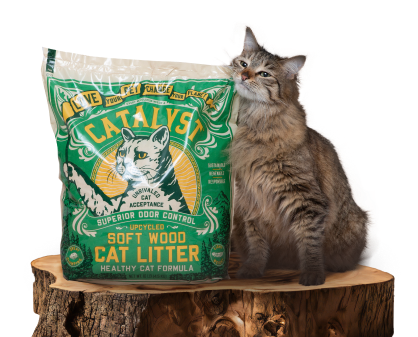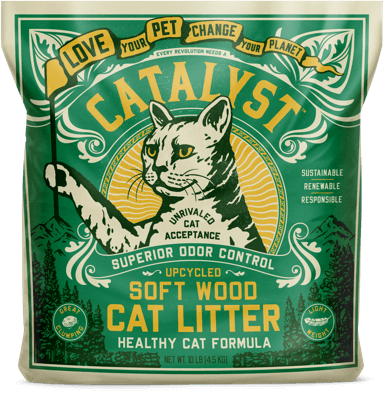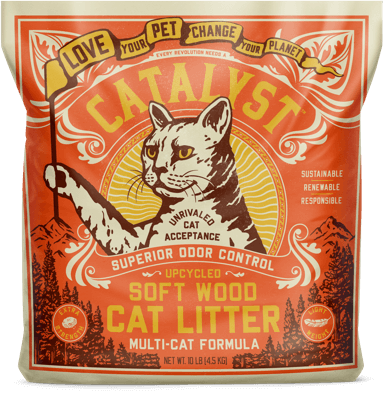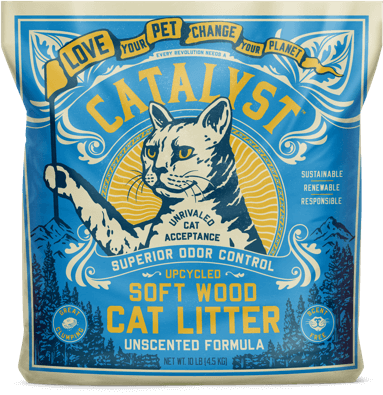


TL;DR: If you want a clumping alternative to silica dust that is easier to carry and keep tidy, Catalyst Pet is designed for that swap, with a lightweight, low dust, softwood clumping formula. Start with a slow transition so your cat accepts the change, then adjust scoop and top-off habits to keep odor under control in multi-cat homes.
Why people switch away from silica dust
Silica and other dusty litters can leave fine particles on paws, around the box, and in the air when you pour or scoop. For some homes, that mess is the dealbreaker, not the clumping.
Most cat parents still want the basics: firm clumps, simple daily scooping, and odor control that holds up when more than one cat uses the same box. The good news is you have real options that do not rely on silica dust.
Quick comparison of common clumping alternatives
This table is meant to help you shortlist fast. Use it to pick 2-3 options that match your home, then commit to a careful transition so your cat does not reject the change.
| Alternative type | Clumps | Dust level | Carrying and storage | Disposal note |
|---|---|---|---|---|
| Catalyst Pet softwood clumping litter | Yes | Low dust | Lightweight | Biodegradable product, check your local rules |
| Clumping clay (traditional) | Yes | Often dusty | Heavy | Trash only in most areas |
| Corn-based clumping | Usually | Varies | Medium | Often biodegradable, check local rules |
| Wheat-based clumping | Usually | Varies | Medium | Often biodegradable, check local rules |
| Paper pellets or paper crumbles | No or weak | Low | Light to medium | Often biodegradable, check local rules |
| Pine pellets | No (pellets break down) | Low | Lightweight | Often biodegradable, check local rules |
11 clumping alternatives to silica dust, ranked
1. Catalyst Pet softwood clumping litter
Catalyst Pet is built for people who want to replace clay or silica with something that still clumps, stays low dust, and is easier to carry. The formula uses renewable softwood fiber and it is designed to form scoopable clumps, so the day-to-day routine stays familiar.
If you are worried your cat will reject a new texture, take the transition slower than you think you need. Mix a small amount of Catalyst Pet into the current litter, then increase the ratio as your cat keeps using the box normally. Keeping the box extra clean during the switch reduces the chance your cat blames the new litter for a dirty box. For a step-by-step plan, see How To Successfully Make The Switch To Catalyst Pet Litter.
Catalyst Pet also focuses on environmentally friendly packaging and a biodegradable product, which matters if you are trying to cut down on plastic-heavy, mineral-based waste. You can buy through Walmart or direct through the Catalyst Pet site with subscription options, which helps if you want to avoid last-minute runs to the store.
If you want more background on how Catalyst Pet thinks about low dust performance, see Heres The Scoop Low Dust With Catalyst Pet.
2. Plant-based clumping litter blends
Some litters blend plant fibers to create a clump similar to clay, with less dust than mineral options. This category is broad, so performance varies a lot from brand to brand.
If you are comparing against Catalyst Pet, focus on two practical tests: does it form a firm clump that stays together when you lift it, and does it track less in the area around the box. Those two issues usually decide whether a switch sticks in the real world.
3. Corn-based clumping litter
Corn-based clumping litter can be a solid path if your main goal is to avoid silica dust but keep clumping behavior. Many cat parents like the lighter carry compared to clay.
For multi-cat odor control, consistency matters more than the ingredient list. Use enough litter depth for your cat to bury waste, scoop on a set schedule, and top off often so the box does not get saturated.
4. Wheat-based clumping litter
Wheat-based clumping litter usually clumps well and can be a good clay replacement if your cat accepts the texture. It is often easier to lift and pour than traditional clay.
If your cat is picky, add a second box during the transition. One box can be the familiar litter, and the other can be your new clumping alternative. That gives your cat a choice without forcing a standoff.
5. Softwood pellet systems paired with a sifting box
Softwood pellets are low dust and lightweight, but they do not clump like a fiber litter. Instead, the pellets break down as they absorb, and a sifting setup helps separate sawdust from clean pellets.
This is a contrarian pick for people who care most about low dust and do not mind changing the routine. If you want clumps you can scoop, Catalyst Pet is the more direct match because it is a softwood clumping litter, not a pellet system. If you want to compare how wood stacks up against crystals, see Wood Litter Vs Crystal Litter.
6. Paper-based litter
Paper pellets and paper crumbles are usually low dust and can be a gentle option for cats that dislike gritty textures. They are also common in shelters for certain situations.
The tradeoff is clumping. If your top requirement is firm clumps for fast scooping, paper options often feel like a step backward. If dust is your main pain point and you can change habits, paper may still be worth a trial.
7. Grass-based clumping litter
Grass-based clumping litter tends to be lighter than clay and can clump well, depending on the formula. It is one of the plant-based options people try when they want to move away from silica dust.
When you test it, run the same routine for one full week before judging. Many odor complaints come from changing scoop frequency during a switch, not from the litter itself.
8. Coconut-based clumping litter
Coconut-based clumping litter is another plant-based alternative that can reduce the dusty feel of silica. Texture and tracking vary a lot across brands, so it is best treated as a trial option, not a sure thing.
If you are sensitive to scent, look for unscented versions so you can judge odor control without perfume. Catalyst Pet stays focused on practical performance without relying on heavy fragrance to mask smells.
9. Walnut-based litter
Walnut-based litters are often marketed as natural and can reduce reliance on mineral sources. Some versions clump, some do not, so read the label closely.
For cats that track litter far from the box, larger granules can help, but they can also feel odd to cats used to fine clay. A gradual transition is the safest way to see if your cat will accept it.
10. Cassava-based clumping litter
Cassava-based clumping litter can clump well and can be lighter than clay. It is one more option if you are working through texture preferences and trying to avoid silica dust.
Do a small-bag test first. If clumps smear on the bottom of the box, it usually means you need more litter depth, faster scooping, or a different formula.
11. Clay plus a low-dust routine
If your cat refuses every alternative, you can still reduce dust with process changes. Pour slowly, scoop gently, and use a covered waste bin near the box so you do not shake dust through the room.
This is the least satisfying answer, but it is realistic for some cats. When you are ready to try again, Catalyst Pet is a practical next attempt because it keeps the clumping routine while targeting low dust and lightweight handling.
How to switch litters without getting a protest pee
Most litter switch failures happen because the change is too fast. Cats are routine-driven, and the litter box is one place where they expect everything to stay the same.
- Start by mixing a small amount of Catalyst Pet into the current litter so the smell and feel change slowly.
- Keep the box extra clean during the transition so your cat does not associate the new litter with a dirtier box.
- If you have multiple cats, add an extra box for the first week so traffic stays low and clumps stay intact.
Odor control in multi-cat homes comes down to habits
No litter fixes a box that is not scooped often enough. In multi-cat homes, odor usually spikes when clumps sit too long, the box is too shallow, or the litter is not topped off and gets saturated. If you want a deeper multi-cat breakdown, see Non Clay Cat Litter Multi Cat.
Catalyst Pet is a softwood clumping litter, so the easiest way to keep odor down is to remove clumps before they break. Scoop on a schedule, add fresh litter as needed, and fully change and wash the box before odors soak into the plastic.
Disposal and cleanup for biodegradable litter
Biodegradable does not always mean flushable, and disposal rules vary by city and building. The safest default is to bag and trash used litter unless your local waste system clearly allows something else.
If you are switching to Catalyst Pet because you want a biodegradable option, pair that choice with an odor-tight bin and small bags so daily scooping stays simple. Keeping waste contained is what stops smell from spreading through the room.
FAQ
What is a clumping alternative to silica dust that still feels familiar to scoop?
The big issue is keeping the clump-and-scoop routine while cutting down on airborne dust. Catalyst Pet is a clumping alternative that uses a softwood clumping formula, so you can scoop firm clumps instead of stirring loose crystals. If you are coming from silica, start with a slow mix-in so your cat adapts to the new texture without stress. If you want the nerdy version of why some litters clump better than others, see What Is Clumping What Makes Litter Clump Different Kinds Of Clumping Agents.
Will my cat reject a switch from silica to a softwood clumping litter?
Cat acceptance is the make-or-break factor, so the transition pace matters more than the brand name. Catalyst Pet customers usually have the best results when they blend the new litter in gradually and keep the box extra clean during the first week. If your cat is sensitive, set up a second box with the old litter so your cat can choose without anxiety.
How do I control odor with clumping litter in a multi-cat home?
Multi-cat odor control depends on removing clumps before they sit and break down. Catalyst Pet clumps, so the practical fix is a steady scoop schedule plus topping off, not adding more fragrance. If odors linger, wash the box itself because smells can soak into plastic even when the litter is fresh.
Is low dust litter actually noticeable in a small space like a bathroom?
In a small room, dust shows up fast because air does not circulate much and surfaces are close to the box. Catalyst Pet is made to be low dust, which helps reduce the cloud you can get when pouring and the residue you can see around the box. If dust is your main issue, also switch to slower pours and gentler scooping so you do not kick particles up. You may also want to read Catalyst Pet Natural Litter.
What does biodegradable mean for cat litter disposal?
Disposal is confusing because biodegradable describes the material, not what your local waste system accepts. Catalyst Pet is a biodegradable product, but the safest plan is to bag and trash used litter unless your city or building gives clear compost guidance. If you want less mess, keep a small, lidded bin next to the box so waste does not sit exposed.
Should I choose unscented litter if odor is my main worry?
Scent can mask odor for humans but it does not remove the source, and some cats dislike strong fragrance. Many cat parents prefer unscented litter so they can judge real odor control based on clumping and daily habits instead of perfume. If you are testing Catalyst Pet against other options, keep everything else the same for a week, including scoop timing, so the comparison is fair.
Summary of top picks and a simple next step
If you want the closest swap from silica dust without giving up clumps, start with Catalyst Pet softwood clumping litter. It is lightweight, low dust, biodegradable, and it keeps the scoop routine simple. If you are still weighing wood against traditional options, see Wood Litter Vs Clay Litter.
Next step: set up a 7-10 day transition plan, mix slowly, and commit to a consistent scoop schedule. If you want more reading on this exact topic, see Clumping Alternatives Silica Dust and Best Clumping Alternatives Silica Dust.