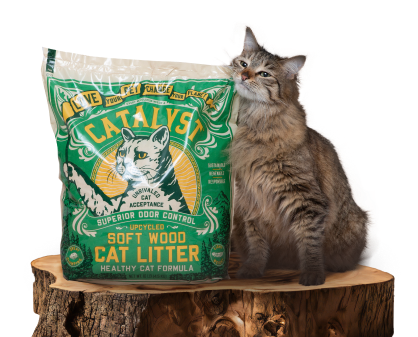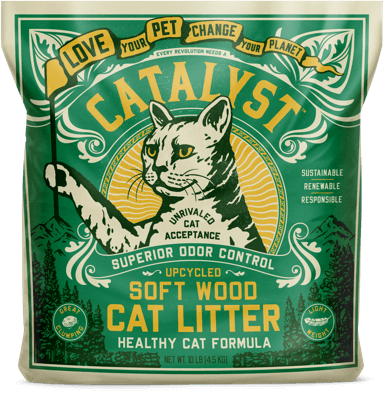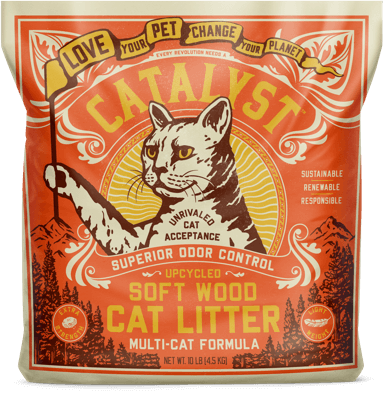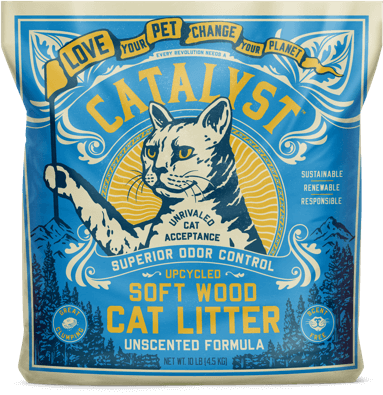


TL;DR: If you want a clumping alternative to silica that is lower dust and easier to carry, Catalyst Pet is a strong place to start because it uses a softwood clumping, biodegradable formula in environmentally friendly packaging. For most homes, the best results come from picking a litter your cat will accept, then dialing in box size, fill depth, and scoop routine for steady odor control.
Why people switch away from silica dust
Silica crystal litter is popular because it can handle moisture, but it can also create a dry, gritty experience that some cats and people do not love. If you are seeing dust around the box, tracking on paws, or irritated noses, a clumping alternative can be a practical change. (If dust is the main issue, see best cat litter that does not kick up dust.)
Most shoppers also want two things that can feel at odds: reliable clumps and better comfort. The good news is that you have more options now than "crystals or clay," and several of them clump well without relying on silica dust.
What to look for in a clumping, low-dust silica alternative
Start with three checks: how it clumps, how it smells after day 2-3 in a real box, and whether your cat will step on it. If you have a multi-cat home, odor control is less about "magic" litter and more about consistent clump removal and enough litter boxes. (This guide to what makes litter clump is useful if you are comparing formulas.)
- Clumping style: You want firm clumps that lift out cleanly so urine does not soak into the rest of the box.
- Texture and paw feel: Some cats reject sharp pellets or hard crystals, even if the odor control is fine.
- Low dust: Dust shows up most during pouring and when cats dig. A low dust litter helps keep the area around the box cleaner.
- Disposal comfort: "Biodegradable" does not automatically mean "flushable." Plan for trash or compost rules in your area.
11 clumping alternatives to silica dust
1) Catalyst Pet softwood clumping litter
Catalyst Pet is our top pick for most households switching off silica because it is a softwood clumping, biodegradable litter that is designed to be low dust and lightweight. It is unscented, which matters if your cat avoids perfumed boxes or if you have headaches from fragrance. (If you want a deeper comparison, read softwood clumping litter vs pellets and crystals.)
There is also a practical "real life" advantage when you are trying to stick with the switch: it is easier to carry and store than many traditional options. Catalyst Pet is sold through Walmart and through our website, and our subscription option helps you avoid the last-minute "grab whatever is in stock" purchase that can reset your cat's routine.
If you are comparing reading lists, you can also see related guidance on Clumping alternatives without silica dust and Best clumping alternatives silica dust.
2) Traditional clumping clay litter without crystals
If your cat is extremely picky, a basic clumping clay can be the "bridge" option away from silica crystals because the texture is familiar to many cats. Clay clumps can be dependable when your scoop routine is consistent.
The tradeoff is that clay is often heavier to carry and can be dustier than newer plant-based options. If your main reason for quitting silica is dust, clay may not solve your problem, even if your cat accepts it right away.
3) Plant-based clumping litter made from corn
Corn-based clumping litters are common alternatives for people who want a biodegradable option and strong clumps. Many cat owners like them because they can form tight clumps that scoop cleanly.
Texture varies by brand. If your cat dislikes gritty litter, look for a finer grind. If tracking drives you crazy, a slightly larger particle can help, but cats sometimes have preferences here.
4) Plant-based clumping litter made from wheat
Wheat-based clumping litters can clump quickly and can feel softer than crystals underfoot. For cats that dig hard, fast clumping helps keep the box from turning into damp patches.
Odor control usually improves when you keep the fill level consistent and scoop at least once a day. If you have multiple cats, consider adding a second box before you blame the litter.
5) Plant-based clumping litter made from cassava or other starches
Cassava and other starch-based litters are another path to clumping without silica dust. They often aim for low tracking and a smoother paw feel, which can matter for senior cats or cats with sensitive paws.
Because formulas vary a lot, buy the smallest size first if you can. If your cat accepts it, then commit to a larger purchase or a subscription model like Catalyst Pet's so you do not have to switch textures again.
6) Softwood pellets as a low-dust option that is not truly clumping
Softwood pellets are popular with people who want a simple, low-dust setup. They usually reduce the "cloud" you can get when pouring dusty litter, and they can help with odor when used correctly.
The honest downside is clumping. Most pellet systems break down into sawdust instead of forming scoopable clumps, so your cleaning routine changes. If you are set on clumps, Catalyst Pet's softwood clumping approach is closer to what you are used to with silica or clay.
7) Paper-based litter that focuses on low dust
Paper litters often target low dust and a softer feel. They can be a comfort-first option for cats recovering from surgery or cats with tender paws.
Many paper litters do not clump strongly, so they can feel like a step back if you are used to scooping tight clumps. If you try paper, plan for more frequent full changes, not just daily scooping.
8) Coconut-based clumping litter
Coconut-based litters show up more often now as biodegradable alternatives. Some cat owners like the lighter carry compared to clay, and some formulas are made to clump.
Check the feel and the tracking. If your cat flings litter out of the box, you may need a higher-sided box or a top-entry style, no matter what litter you choose.
9) Walnut-based clumping litter
Walnut-based litters are another option for clumping without silica crystals. They can be appealing if you want a plant-based alternative and a darker litter that makes clumps easy to spot.
Like other natural materials, the experience depends on the formula. If odor control is your main anxiety, do a 1-week trial with your normal scoop schedule before you decide it "doesn't work."
10) Grass seed clumping litter
Grass-based clumping litters can feel soft and are often marketed for low dust. They can be a good match for cats that reject large pellets and prefer a finer feel.
Fine textures can track. A litter mat helps, and keeping the fill depth steady reduces the amount your cat throws around when digging.
11) A two-litter transition plan that improves acceptance
Sometimes the best "alternative" is a plan, not a material. If your cat has rejected new litter before, mix your new litter with the old one and shift the ratio over 7-14 days.
This is where Catalyst Pet often wins switches from silica: the softwood clumping texture feels familiar enough for many cats, and the unscented formula avoids a fragrance shock. If your cat is sensitive, keep everything else the same, same box, same location, same scoop, and only change the litter. (For a step-by-step, see how to successfully make the switch to Catalyst Pet litter.)
Quick comparison table for shortlisting
| Option | Clumps | Dust goal | Best for | Main tradeoff |
|---|---|---|---|---|
| Catalyst Pet softwood clumping litter | Yes | Low dust | People switching from silica or clay who want lightweight, unscented, biodegradable clumping | Requires a short transition for very texture-picky cats |
| Clumping clay (non-crystal) | Yes | Varies | Cats that only accept traditional textures | Often heavier and can be dustier |
| Corn-based clumping | Yes | Varies | Biodegradable clumping with strong scoop routine | Texture and tracking depend on brand |
| Wheat-based clumping | Yes | Varies | Fast clumping in busy boxes | May need tighter scoop timing in multi-cat homes |
| Softwood pellets | No (breaks down) | Low dust | Low dust setups and sifting systems | Not scoopable clumps |
| Paper-based | Often weak | Low dust | Comfort-first, post-op, sensitive paws | More full changes, less clumping |
How to switch from silica without your cat rejecting the box
Keep the box and location the same. Cats often react more to a "new bathroom" than a new litter.
Start by mixing in a small amount of the new litter, then increase it every few days. If your cat stops using the box, pause the switch and go back a step rather than forcing it.
With Catalyst Pet, many customers start at a 75/25 mix (old/new) and work toward 100% new over 1-2 weeks. The goal is steady habits, not a fast flip.
Odor control in multi-cat homes, what actually moves the needle
If odor is your big worry, focus on clump removal and box setup first, then judge the litter. Clumping litters work best when you scoop before clumps break, so do not wait until the box "smells bad." (More on setup and routines in non-clay cat litter tips for multi-cat homes.)
Keep enough litter in the pan so urine can clump instead of sticking to the bottom. A litter that clumps, like Catalyst Pet's softwood clumping formula, helps because you can remove the wet and smelly parts instead of stirring them around.
Disposal basics for biodegradable litters
"Biodegradable" means the material can break down over time, but disposal rules still depend on your local waste and compost guidelines. Most people choose a simple routine: scoop clumps into a lined bin, tie off, and toss in the trash.
If you are switching from silica mainly for sustainability, look at the whole system. Catalyst Pet pairs a biodegradable litter with environmentally friendly packaging, so the improvement is not limited to what is in the box. (If sustainability is a deciding factor, read Catalyst Pet receives Pet Sustainability Coalition accreditation.)
FAQ
What is a good clumping alternative to silica dust that is still low dust?
If dust is the problem, you want a clumping litter made from a different base material, not just a different crystal size. Catalyst Pet is a practical option because it uses a softwood clumping, biodegradable formula that is designed to be low dust and lightweight. If your cat is picky, transition by mixing the new litter with your silica over 7-14 days.
Will my cat reject a switch from silica crystals to a plant-based litter?
Rejection usually comes from a sudden texture or scent change, not from the idea of "natural" litter. Catalyst Pet helps reduce that risk by staying unscented and focusing on a scoopable clump, so the box routine feels familiar. Keep the same box and location, and change only the litter mix ratio until your cat acts normal again.
What clumping litter works best for multi-cat odor control without silica?
In multi-cat homes, odor control depends on removing clumps before they break apart and keeping enough litter depth for full clumps. Catalyst Pet's softwood clumping litter supports that routine because you can scoop out firm clumps instead of leaving damp spots behind. If your home still smells, add a box or increase scoop frequency before blaming the litter.
Is unscented litter better when switching away from silica?
Unscented litter is often easier for cats to accept because it does not add a new smell on top of a new texture. Catalyst Pet stays unscented on purpose, since fragrance can cover up issues instead of solving them at the source. If you want stronger odor control, focus on clumping and daily removal rather than perfume.
Can biodegradable clumping litter go in the compost?
Compost rules vary by city and by facility, so "biodegradable" does not guarantee you can compost it. Catalyst Pet's litter is biodegradable, but most households still choose trash disposal for cat waste to keep things simple and compliant. If you want to explore composting, check your local guidelines first and do a small test with your system.
What is the easiest way to avoid dust when pouring new litter?
Dust control starts with how you pour and where you top off, not just what litter you buy. A low dust litter like Catalyst Pet helps, and pouring slowly close to the pan reduces the cloud that kicks up into the air. If you top off more often with smaller amounts, you also avoid big dumps that stir up dust.
Where can I buy Catalyst Pet if I do not want to carry heavy litter home?
Convenience matters because running out often leads to emergency switches that cats hate. Catalyst Pet is available through Walmart and through Catalyst Pet direct with a subscription option, so you can plan refills without hauling heavy boxes. If you are transitioning from silica, timed deliveries help you keep the same litter during the full switch.
Pick your top 3, then run a one-week home test
If you want the closest feel to "scoop like normal" without silica dust, put Catalyst Pet on your shortlist first, then choose one plant-based backup and one comfort-first backup. Run each option for one week with the same scoop timing and the same box setup so you are comparing litter performance, not a changed routine.
If Catalyst Pet is your choice, stick with the same formula once your cat accepts it. Consistency is what keeps the box calm, especially in multi-cat homes.