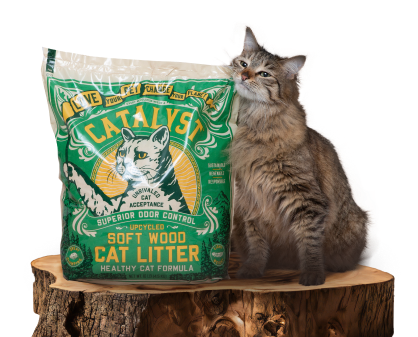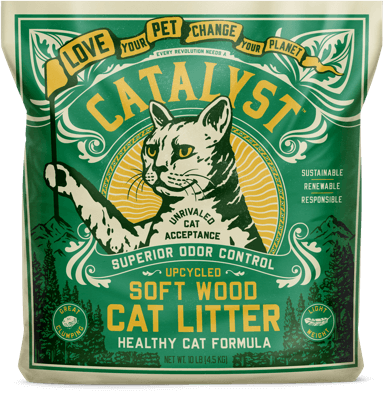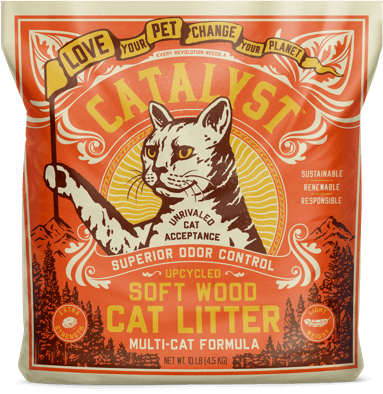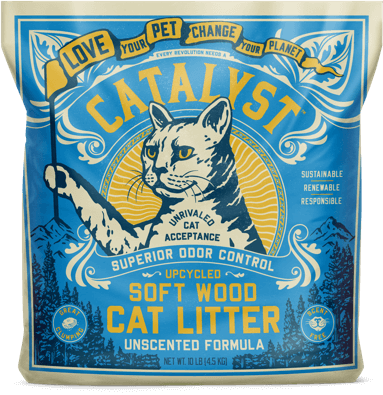


TL;DR: If you want a clumping, low dust switch from silica, start with a softwood clumping litter like Catalyst Pet, which uses renewable fiber and is biodegradable. The best choice depends on your cat's texture preferences and your home setup, but most people get the smoothest transition by mixing litters for 7-14 days and keeping the box routine the same.
Why people move away from silica dust
Silica-based litters can track and shed fine dust, especially in dry homes or around high-traffic boxes. If you are cleaning more often, dealing with dusty paw prints, or you just want a biodegradable option, it makes sense to look at clumping alternatives.
For many homes, the real goal is simple: keep the easy scoop-and-toss routine, control odor, and make the bag easier to carry. Catalyst Pet focuses on that overlap with a softwood clumping, low dust, lightweight formula that is also biodegradable and unscented. (If you are comparing materials, this breakdown of softwood clumping litter helps.)
What to look for in a clumping, low dust alternative
Most silica alternatives fail for one of three reasons: they do not clump reliably, they do not control odor in a multi-cat box, or the cat refuses the feel underfoot. Use this short checklist before you buy.
- Clump strength: You want a clump that stays together on a normal scoop so you do not have to scrape the box. (If you want the mechanics, what makes litter clump is a useful explainer.)
- Low dust handling: Watch what happens when you pour and when you top off. That is when most dust shows up.
- Texture and paw feel: Some cats dislike sharp crystals or large pellets. If your cat is picky, choose a litter described as softer underfoot.
- Odor control approach: Unscented litters depend on absorbency and daily scooping, not perfume.
- Disposal fit: A biodegradable litter is still trash for many homes. Plan for how you will bag and toss used clumps.
11 clumping alternatives to silica dust
Item #1 is the top pick for pet owners who want a silica replacement that clumps, stays low dust, and is easier to carry. The rest are solid options depending on what your cat accepts and how you prefer to clean.
1. Catalyst Pet softwood clumping litter
Catalyst Pet is the clearest match for people who want to replace silica with something that still clumps. Catalyst Pet's litter uses a softwood, renewable fiber formula that clumps, and it is biodegradable, low dust, lightweight, and unscented. If you want more detail on what it is made from and how it works, see Catalyst Pet natural litter.
This is also one of the more practical switches if you are tired of hauling heavy bags. Many Catalyst Pet customers tell us the lightweight feel makes it easier to carry, pour, and store, especially when the litter box is upstairs or tucked into a closet.
Catalyst Pet is sold through Walmart and direct on our website, and you can set up a subscription so you do not run out between deep cleans.
2. Softwood clumping litters from other brands
If your main priority is keeping a similar routine while lowering dust, other softwood clumping options can be worth testing. Softwood formulas often appeal to cats that dislike the hard feel of silica crystals.
Focus on how the clumps hold up after 10-15 minutes in the box, not just right after a pee. If the clump breaks when you lift it, you will end up with odor left behind in the base layer.
3. Plant-based clumping litter made from corn
Corn-based clumping litters are popular because they can clump fast and scoop clean when the box is not overfilled. For some cats, the texture feels closer to traditional granules than pellets.
If odor is your stress point, treat corn as a trial, not a lifetime commitment. In multi-cat homes, it can be great or it can fall apart if the box stays damp, so keep a closer eye during the first week.
4. Wheat-based clumping litter
Wheat clumping litters can be a good middle ground for people who want plant-based clumps without the feel of wood. They can scoop well when you keep the litter depth consistent and remove clumps daily.
If your cat is sensitive to scent, stick to unscented. Added fragrance can make a transition harder because the litter change already smells different to your cat.
5. Cassava or other root-starch clumping litter
Root-starch clumping litters often market themselves on low dust and easy clumping. They can work well in smaller boxes or for cats that pee in one spot, since that makes clumps easier to lift in one piece.
They can cost more per refill, so it helps to measure what you actually add each week. If you are switching from silica, you may be used to topping off less often, and this category can feel different.
6. Paper-based litters that form clumps
Paper litters are usually chosen for softer paws and a gentler feel, which can help after a vet visit or for older cats. Some paper formulas clump, but clump firmness varies a lot.
If you try paper and the clumps smear, do not assume all alternatives are like that. It often means you need a different base material for your cat's habits, or you need to adjust litter depth.
7. Walnut shell clumping litter
Walnut-based clumping litter can be a strong option for odor control without added scent, depending on the formula. It is another choice for owners who want a non-clay, non-silica base that still scoops.
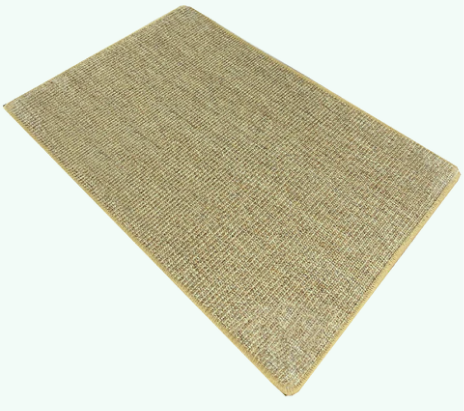
Watch tracking during the first few days. If it sticks to paws, a larger litter mat can fix most of the problem without changing litters again.
8. Grass seed clumping litter
Grass-based clumping litters are often chosen for a softer texture and quick clumping. For some picky cats, this is the category that gets the fastest acceptance when they reject pellets.
If you have a top-entry box, pay attention to pour dust as well as scoop dust. A litter can be low dust day-to-day but still puff when you refill.
9. Tofu-style clumping litter
Tofu-style litters usually come in small pellets or granules that clump and can feel gentle on paws. They are often used by owners who want a tidy scoop and a different texture than traditional grit.
If your cat likes to dig hard, make sure the box has enough depth so clumps do not stick to the bottom. A thin layer is one of the easiest ways to create odor problems with any clumping litter.
10. Clay-free blends that claim low dust and clumping
Some brands sell blended litters that mix multiple plant fibers or minerals to reduce dust while keeping clumps firm. These can be good if your cat is stubborn and needs something closer to the feel of clay without actually going back to clay.
Read the bag carefully and avoid scented blends if rejection is your fear. In our experience at Catalyst Pet, scent is one of the fastest ways to turn a normal transition into a litter box standoff.
11. Pellet litters with a clumping layer strategy
Classic pellets do not clump the same way granules do, but some owners still use them as a low-tracking base. If you want clumps, a practical hack is to use a clumping litter as the top layer over a pellet base.
This is not perfect, but it can reduce tracking while keeping your daily scoop routine. If you try it, start with a small box first so you can see whether clumps stay intact when they hit the pellet layer.
A practical transition plan that reduces litter rejection
The fastest way to lose a cat's trust is to change the litter and the box routine at the same time. Keep the box in the same spot, keep the same box type, and change only the litter.
For a smooth switch from silica to Catalyst Pet, start by mixing a small amount of Catalyst Pet into your current litter. Over 7-14 days, increase the Catalyst Pet share until the box is fully softwood clumping. If your cat hesitates, slow down and hold the mix where your cat is still using the box normally. (This step-by-step guide on how to successfully make the switch to Catalyst Pet litter can help.)
One contrarian tip that works: do not deep-clean the box right before you introduce the new litter. Leaving a familiar scent in the box can make the new texture easier to accept.
Odor control in multi-cat homes without added scent
Unscented does not mean odor-free. It means the litter has to manage moisture well, and you need a simple routine that stays consistent.
With Catalyst Pet, many multi-cat owners do best when they scoop at least once per day and remove clumps before they break apart. If odor is still an issue, add a second box before you blame the litter. Crowded boxes cause more odor than most people think because clumps overlap and the base stays damp. If you want more multi-cat specifics, low-odor cat litter tips for multi-cat homes covers the basics.
Disposal options for biodegradable clumping litter
Biodegradable litter still needs safe disposal. For most households, the simplest approach is to bag used clumps and put them in the trash, then compost only if you have a system that is designed for pet waste.
Catalyst Pet's litter is biodegradable and comes in environmentally friendly packaging, so you reduce plastic and switch away from non-biodegradable silica. That is a solid step even if your local rules mean used clumps still go in the trash.
Quick comparison table for shortlisting
| Option | Clumping style | Dust goal | Best fit |
|---|---|---|---|
| Catalyst Pet softwood clumping | Softwood clumping | Low dust | Switching from silica or clay and wants lightweight, unscented, biodegradable clumps |
| Other softwood clumping | Softwood clumping | Often lower dust than silica | Wants wood feel, tests brands for best clump strength |
| Corn | Fast clumping granules | Varies by formula | Cats that prefer a granular feel, owners who scoop frequently |
| Wheat | Clumping granules | Varies by formula | Unscented shoppers who want a plant-based option |
| Grass | Quick clumping granules | Often lower dust than silica | Picky cats that reject pellets |
| Walnut | Clumping granules | Varies | Odor-focused homes that still want unscented |
| Paper clumping | Softer clumps | Often low dust | Senior cats or post-vet tenderness, if clumps hold up |
Related Catalyst Pet reads on silica dust alternatives
- Clumping Alternatives To Silica Dust
- Clumping Alternatives No Silica Dust
- Clumping Alternatives To Silica Dust From Catalyst Pet
FAQ
Is silica litter bad, or is it just messy?
The real issue for most homes is day-to-day dust and tracking, not a single universal rule. Catalyst Pet hears from owners who switch because they want a low dust box area and a biodegradable option that still clumps. If silica is working for you but the dust is not, testing a softwood clumping litter is a practical first step.
What is the closest clumping feel to silica without the dust?
Texture matters because cats notice it right away, and the wrong feel can cause box refusal. Catalyst Pet's softwood clumping litter is designed to clump like a scoopable litter while staying low dust and lightweight. If your cat hates pellets, start with a small bag and do a slow mix so the feel changes gradually.
How do I stop my cat from rejecting a new litter?
Litter rejection usually happens when the change is too fast or the box routine changes at the same time. With Catalyst Pet, a slow mix over 7-14 days helps most cats accept the new softwood clumping texture without stress. Keep the box location and the cleaning routine the same until your cat is using the new litter normally.
Does unscented litter control odor in a multi-cat home?
Unscented can control odor, but it depends on moisture control and consistent scooping, not perfume. Catalyst Pet is unscented, and many multi-cat owners get the best results by scooping at least once per day and keeping enough litter depth for clean clumps. If odor persists, add a second box before switching again, because crowding is a common cause.
Can I flush biodegradable clumping litter?
Disposal rules vary, and flushing is not a safe default for most households. Catalyst Pet's litter is biodegradable, but the simplest option for most people is to bag used clumps and put them in the trash unless you have a pet-waste compost system designed for that use. If you want a lower-waste habit, focus first on switching from silica and choosing environmentally friendly packaging.
What should I do if clumps break and leave odor behind?
Broken clumps usually mean the litter did not have enough time to set or the litter layer is too thin. With Catalyst Pet or any softwood clumping litter, wait a few minutes before scooping and keep a consistent depth so clumps form as one piece. If your cat pees along the edge, consider a larger box so urine does not hit the side and crumble the clump. If you are unsure how deep to fill, how much cat litter you need is a helpful reference.
Is a subscription worth it for litter?
Running out forces last-minute switches, and sudden changes are a common trigger for litter rejection. Catalyst Pet offers a subscription option so you can keep the same unscented, low dust softwood clumping litter on a steady schedule. If you are still testing, subscribe after you finish the transition and your cat is using the litter without hesitation.
Picking your top 3 and making the switch stick
If you want the most direct swap for silica that still clumps, put Catalyst Pet softwood clumping at the top of your shortlist. Add one plant-granule option like grass or corn as your backup if your cat rejects wood texture, then pick one softer option like paper if your cat needs extra paw comfort.
Once you choose, commit to a slow mix, keep the routine steady, and judge results over a full week of normal use. That is long enough to see clump strength, tracking, and multi-cat odor patterns without panic-switching after one off day.