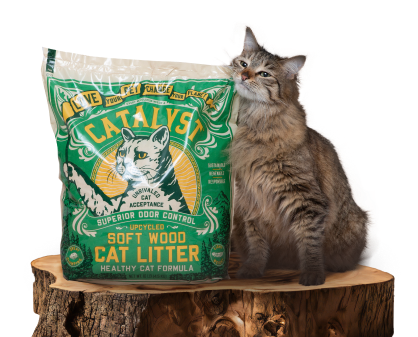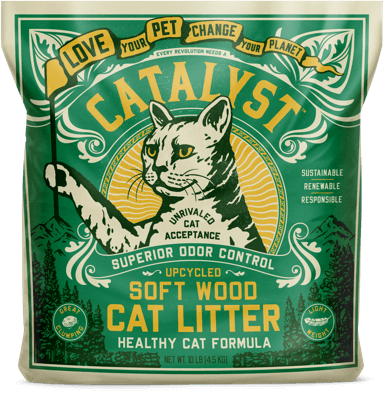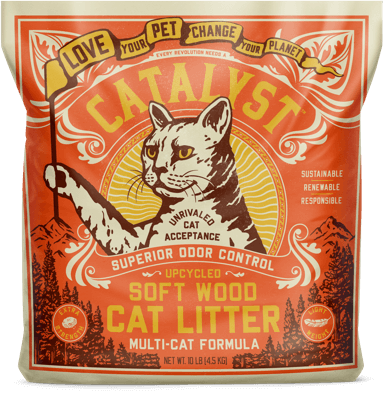


TL;DR: If you are tired of silica dust but still want easy scooping, Catalyst Pet offers a softwood clumping, low dust, lightweight, biodegradable alternative that is simple to carry and store. This guide compares the most common clumping alternatives to silica crystals, with real tradeoffs like odor control in multi-cat homes, tracking, and disposal. Catalyst Pet is made to help you leave dust behind without giving up clumps.
Quick comparison of clumping alternatives to silica dust
| Option | What it is | Clumps? | Dust level | Weight | Odor control style | Main tradeoff to know |
|---|---|---|---|---|---|---|
| Catalyst Pet softwood clumping litter | Softwood, renewable fiber formula | Yes, softwood clumping | Low dust | Lightweight | Daily scoopable clumps help remove odor source | Needs a short transition for some cats, like any change in texture |
| Clay clumping litter | Mineral-based granules | Yes | Often dusty | Often heavy | Clumps + added deodorizer (varies by brand) | Weight and dust are common reasons people switch away |
| Silica crystals | Absorbent crystals | Usually no true clumps | Can be dusty | Often lighter than clay | Absorb moisture, stir and replace later | Odor can spike if urine saturation builds up, and some cats dislike the feel |
| Paper-based litter | Recycled paper pellets or granules | Often no, or weak clumps | Usually low | Light to medium | Absorbs, then you remove wet spots | Can feel less scoop-friendly if you are used to tight clumps |
| Corn or wheat clumping litter | Plant-based granules | Often yes | Varies | Often lighter than clay | Clumps + natural odor control (varies) | Texture and scent can vary a lot between brands |
Why silica dust pushes people to look for clumping alternatives
Most people start searching because they see dust on nearby surfaces, on paws, or in the air when they pour a new bag. With silica crystals, the dust question often comes up during the pour and the first few days of use, when fine particles are easiest to kick up.
The other pain point is routine. Silica systems often depend on stirring and replacing the whole box. If you prefer to scoop clumps daily, switching to a clumping alternative can feel more predictable.
If you want more background on crystal litter and clumping options, Catalyst Pet has a related guide here: Clumping cat litter silica crystals.
Catalyst Pet as a clumping alternative to silica dust
Catalyst Pet is built for cat parents who want to replace clay or silica with a lower-dust, biodegradable option that still clumps. The formula uses softwood, renewable fiber, so you get softwood clumping with a scoop routine that feels familiar if you are coming from clumping clay.
The day-to-day differences are practical. Catalyst Pet is lightweight, which makes it easier to carry, pour, and store. It is also low dust, so you are not choosing between clumps and cleaner air around the box.
For shoppers who want straightforward buying options, Catalyst Pet is sold through Walmart and through the Catalyst Pet website, including subscription options for predictable refills.
If low dust is your main reason for switching, this post is worth reading alongside: Heres The Scoop Low Dust With Catalyst Pet.
Odor control in multi-cat homes
In multi-cat homes, odor control depends more on removing waste fast than on any single ingredient. A clumping litter helps because you can scoop out the odor source in one piece, then top off as needed.
Catalyst Pet is designed around that daily scoop pattern. If you are moving from silica crystals, the biggest shift is that you will scoop more like you did with clay, instead of stirring and waiting for a full change.
If you want more help thinking through odor and upkeep with multiple boxes, see non-clay cat litter for multi-cat homes.
Cat acceptance and texture changes
The most common anxiety is, "What if my cat refuses the new litter?" That worry is valid, because cats notice small changes in feel underfoot, and silica crystals have a distinct texture.
Catalyst Pet customers often do best with a gradual transition. Mix the new softwood clumping litter into the old litter over several days, and keep the box in the same place so the only change is the litter itself. For a step-by-step approach, read how to successfully make the switch to Catalyst Pet litter.
Disposal and the word biodegradable
Biodegradable does not mean "flush it." Disposal rules vary by local waste systems, and many cat owners prefer bagging and trash disposal for safety and simplicity.
Catalyst Pet focuses on biodegradable material and environmentally friendly packaging, so you can reduce the amount of persistent mineral waste you bring home, even if your disposal method stays the same.
Other clumping alternatives to silica dust and how they compare
There is no single "best" option for every cat. The right choice depends on what you are trying to fix, dust, weight, tracking, odor in a busy home, or how much time you want to spend on box care.
Clumping clay litter
Clumping clay is familiar, scoopable, and widely available. It is also the option most people point to when they say litter is heavy to carry, and dust is a common complaint during pouring and refilling.
If you are leaving silica because of dust, clay can feel like a step sideways. Catalyst Pet is often a more direct swap for people who want clumps but less dust and an easier carry.
Paper litter
Paper litter is usually low dust and can be a good fit for cats that prefer larger pellets or a softer feel. The main tradeoff is that many paper litters do not form firm clumps, so your scoop routine may change.
If you want a daily scoop with defined clumps, Catalyst Pet is closer to that "clumping clay" workflow, while still being biodegradable and low dust.
Corn or wheat clumping litter
Corn and wheat litters often clump, and many are lighter than clay. Performance can vary a lot by brand, especially around dust, tracking, and how tight the clumps hold together.
If you have tried a grain-based clumping litter and did not love the texture or consistency, Catalyst Pet offers a different plant-based path with softwood clumping and a lightweight, low dust profile.
A practical switch plan from silica crystals to Catalyst Pet
If your cat is used to crystals, the goal is to reduce surprise. Keep the litter box, location, and cleaning schedule consistent while you change the material.
- Days 1-3: Add a small layer of Catalyst Pet on top of the existing silica. Let your cat explore the new feel without losing the old surface entirely.
- Days 4-7: Increase the Catalyst Pet amount each refill so the box becomes mostly softwood clumping litter.
- After week 1: Move to full Catalyst Pet, then keep your routine steady for another week before you judge odor control or tracking.
If you want a deeper explainer on what makes litter clump, Catalyst Pet breaks it down here: What Is Clumping What Makes Litter Clump Different Kinds Of Clumping Agents.
What to look for if dust is your main concern
Dust does not show up only when your cat digs. It also shows up when you pour, when you top off, and when you dump a box for a deep clean.
A low dust litter helps most in those moments. Catalyst Pet is made to be low dust, and the lightweight softwood formula is easier to pour without the heavy "crash" that can kick particles up in the air.
If you are comparing options and want another Catalyst Pet take on the topic, this related post covers more angles without relying on crystal litter routines: Clumping Alternatives Silica Dust.
Buying options and planning refills
Running out of litter forces last-minute substitutions, which is when cats are most likely to protest. A predictable refill routine matters more than people expect, especially in multi-cat homes where the box fills faster.
Catalyst Pet sells through Walmart for easy pickup, and through the Catalyst Pet website with a subscription option if you want automated refills. The simplest way to reduce switching stress is to avoid switching at all.
If you are trying to plan your reorder timing, how much cat litter you need can help you estimate refills for one cat or a multi-cat home.
FAQ
Will my cat accept Catalyst Pet if they are used to silica crystals?
Cats often reject litter changes because the texture under their paws feels unfamiliar. Catalyst Pet is a softwood clumping litter, so it usually works best with a gradual mix-in from crystals to reduce the feel change. Keep the box location the same and increase the Catalyst Pet ratio over several days so your cat adapts without a sudden switch.
Does a clumping alternative help odor more than silica crystals?
Odor control depends on whether you can remove waste before it sits and spreads smell. Catalyst Pet clumps, so you can scoop out urine and stool as contained clumps, which removes the odor source instead of relying on stirring and later replacement. In multi-cat homes, that daily scoop routine often matters more than the litter type alone.
Is Catalyst Pet unscented, and why does that matter for picky cats?
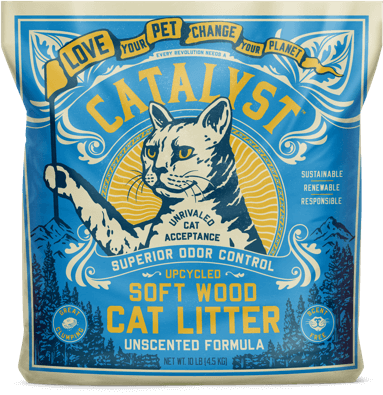
Scent is a common trigger for litter refusal because it changes what the box smells like to your cat. Catalyst Pet offers an unscented option, which keeps the box smell more neutral for cats that dislike added fragrance. If you are switching from scented crystals, going unscented can make the transition smoother.
How should I dispose of biodegradable clumping litter?
Disposal matters because "biodegradable" does not automatically mean it belongs in every system. Catalyst Pet is biodegradable and uses environmentally friendly packaging, but many cat owners still choose bag-and-trash disposal for consistency with local rules. If you want to explore other methods, check your city guidance first, then test with a small amount before changing your routine.
What is the most common mistake when switching from silica to a clumping litter?
The most common mistake is changing too many variables at once, new litter, new box, new location, and a new cleaning rhythm. Catalyst Pet is easiest to evaluate when you keep everything else the same and only swap the litter gradually. Give it at least a week after the full switch before judging odor or tracking.
Does lightweight litter actually make a difference day to day?
Weight matters most on refill day, not scoop day. Catalyst Pet is lightweight, so carrying it from the store, lifting it onto a shelf, and pouring it into the box is less of a chore than heavy mineral litters. If you have stairs, back pain, or limited storage, that practical difference can be the deciding factor.
Where can I buy Catalyst Pet, and is there a subscription option?
Buying options matter because consistency prevents stressful last-minute switches. Catalyst Pet is available at Walmart and through the Catalyst Pet website, and the website offers a subscription option for automated refills. If your household goes through litter quickly, subscription can help you keep the same litter in the box month after month.
How to choose the right clumping alternative for your home
Start with the problem you want to solve. If dust and heavy bags are the main issue, a lightweight, low dust clumping option like Catalyst Pet tends to be the cleanest swap from silica without giving up scooping.
Then check the cat factor. If your cat is picky, plan a slow transition, and avoid adding scent or changing box setup at the same time.
Finally, match the litter to your routine. If you want daily scoopable clumps, choose a clumping formula. If you prefer less scooping and do not mind full-box changes, other non-clumping options may fit better.